Law Us Legal Forms Reviews In Wake
Description


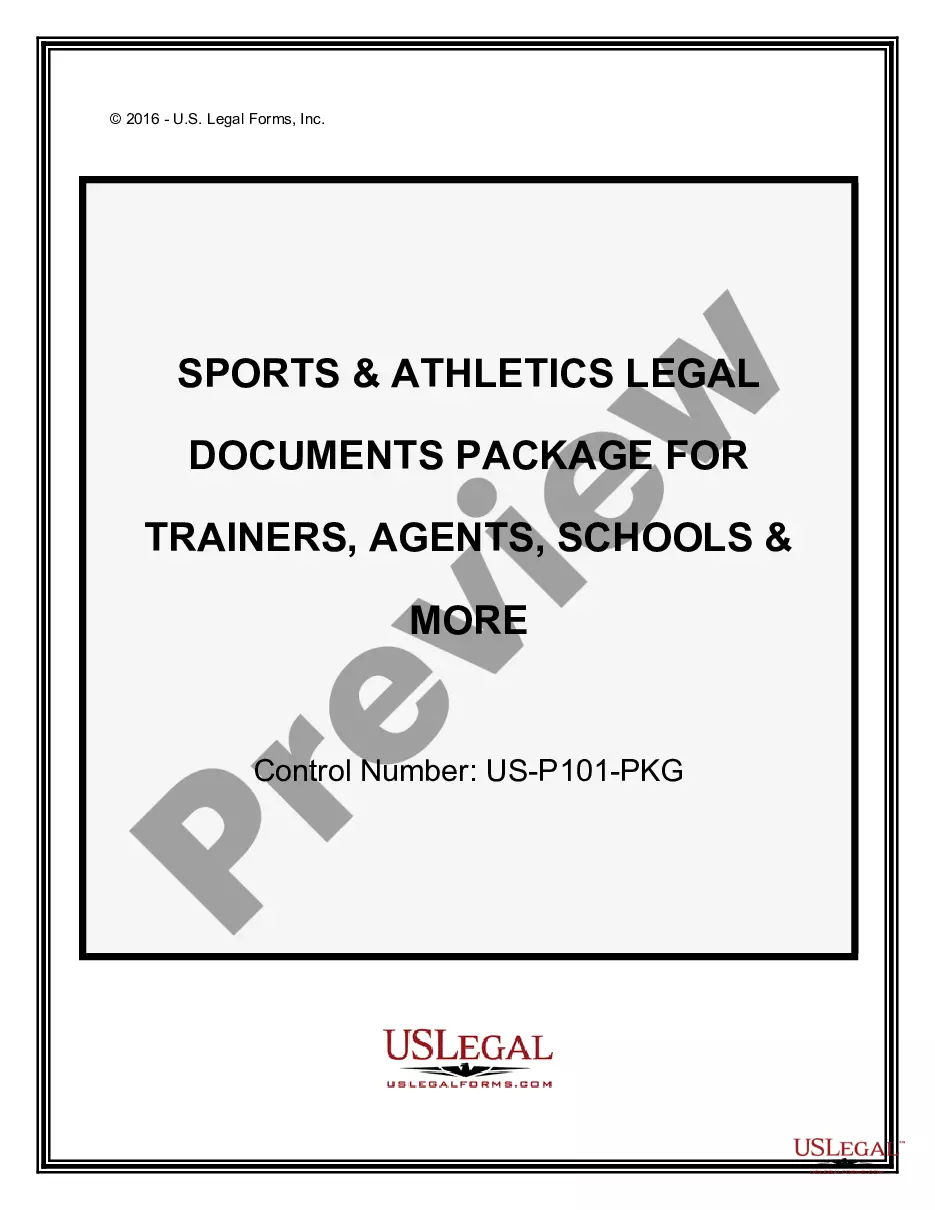
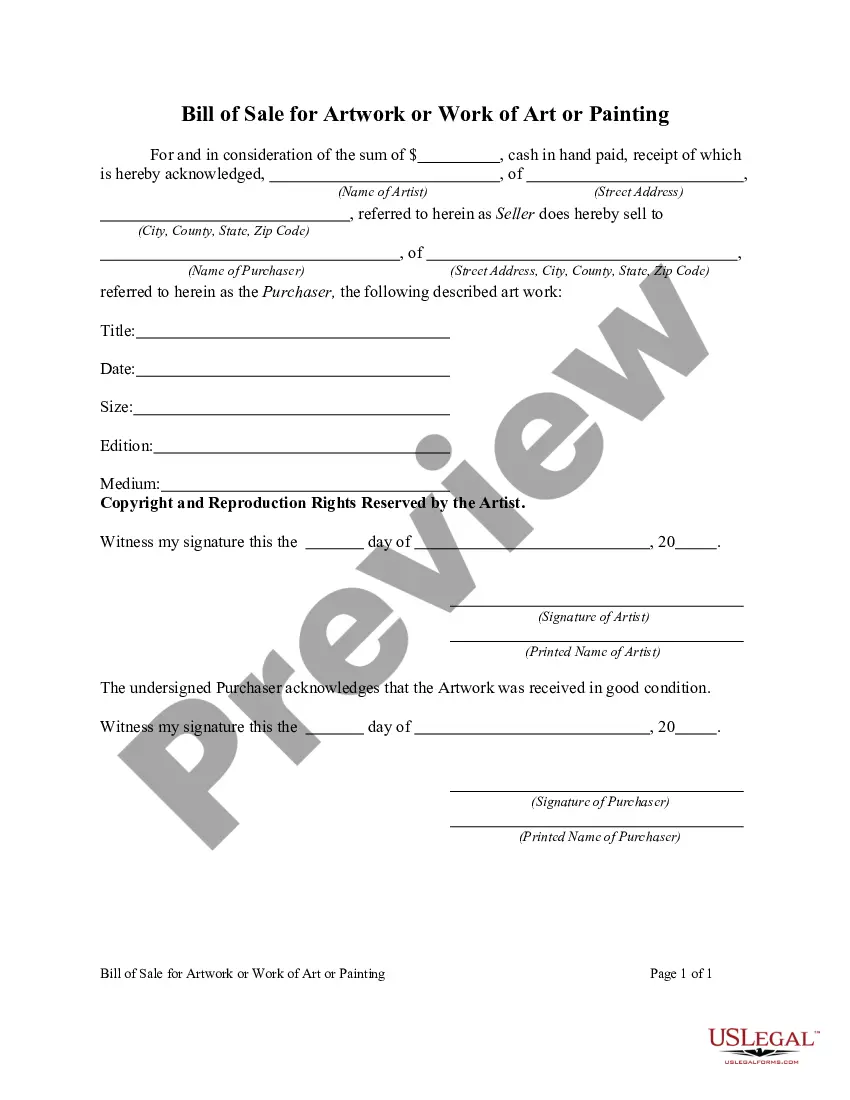
Get your form ready online
Our built-in tools help you complete, sign, share, and store your documents in one place.
Make edits, fill in missing information, and update formatting in US Legal Forms—just like you would in MS Word.
Download a copy, print it, send it by email, or mail it via USPS—whatever works best for your next step.
Sign and collect signatures with our SignNow integration. Send to multiple recipients, set reminders, and more. Go Premium to unlock E-Sign.
If this form requires notarization, complete it online through a secure video call—no need to meet a notary in person or wait for an appointment.
We protect your documents and personal data by following strict security and privacy standards.

Make edits, fill in missing information, and update formatting in US Legal Forms—just like you would in MS Word.

Download a copy, print it, send it by email, or mail it via USPS—whatever works best for your next step.

Sign and collect signatures with our SignNow integration. Send to multiple recipients, set reminders, and more. Go Premium to unlock E-Sign.

If this form requires notarization, complete it online through a secure video call—no need to meet a notary in person or wait for an appointment.

We protect your documents and personal data by following strict security and privacy standards.
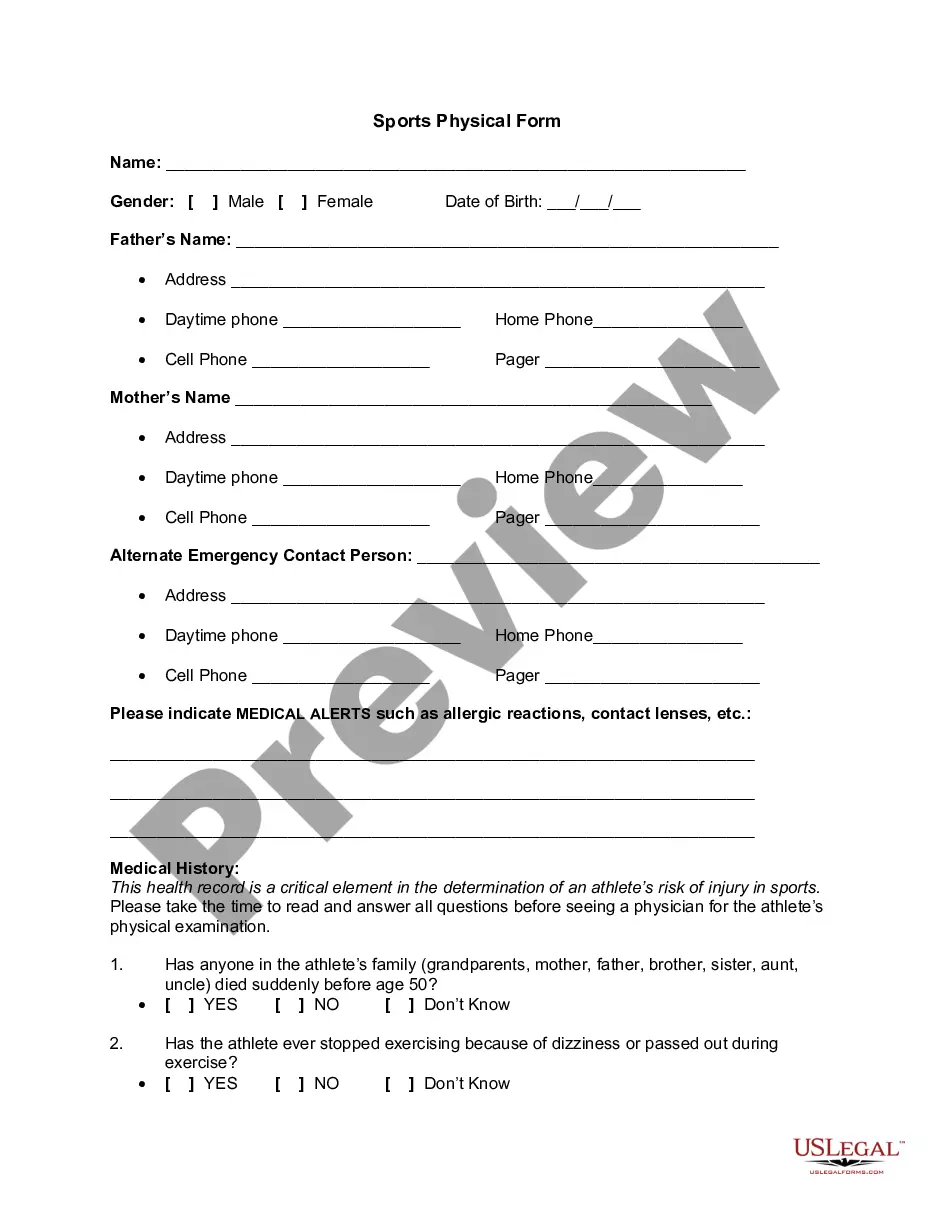
Looking for another form?




Form popularity
FAQ
Is US Legal Forms legit? Founded in 1999, US Legal Forms has become a trusted resource for over three million SMBs, attorneys, lawyers, and individuals seeking help handling common legal matters. The library has over 85,000 legal forms you can sort by state or industry.
What is a Document Review Protocol? A legal document review protocol memorandum will serve as a directing document, stating the review's objectives, providing case history, reference materials, and coding instructions. You should tailor the review protocol to meet the goals of the review.
Document review is the process of examining and evaluating legal documents, such as contracts, emails, and records, to identify relevant information for legal cases, compliance, or due diligence. It can be done manually by legal professionals or with technology assistance.
Document review involves examining various types of documents--such as contracts, emails, reports, and other records--to extract pertinent information, ensure accuracy, and identify any legal risks. It is commonly used in litigation, mergers and acquisitions, regulatory compliance, and due diligence.
Tips for ensuring your legal document review process is comprehensive: Create a detailed checklist. Use efficient software. Carefully analyze documents and metadata. Consider all relevant contexts. Take notes and communicate findings.
What makes a document legally binding? Well, to be considered legally binding, a document must contain the valid signatures of all sides entering into an , and also detail the duties and responsibilities each party has to the other. In the business world, you handle dozens upon hundreds of legal documents daily.
The legal review process involves multiple steps and stakeholders to ensure legal agreements and policies are consistent, compliant, and of high quality. These steps include initial assessment, content review, stakeholder consultation, and final review and approval.
Flawed documents could get rejected Online legal documents can be out of date, inaccurate or downright wrong, and the companies admit as much.
Most of these online legal services are legitimate operations but when you hire them, you should be aware that you are not entering into a client-attorney relationship. You are also not hiring a remote law firm to advise your business and act as your legal counsel.
A few simple words can completely change the way in which a power of attorney document functions. Furthermore, requirements for POA documents vary by state. A generic POA template purchased online may not have the correct wording or components needed to be valid where the principal lives.