Law Us Legal Force In Texas
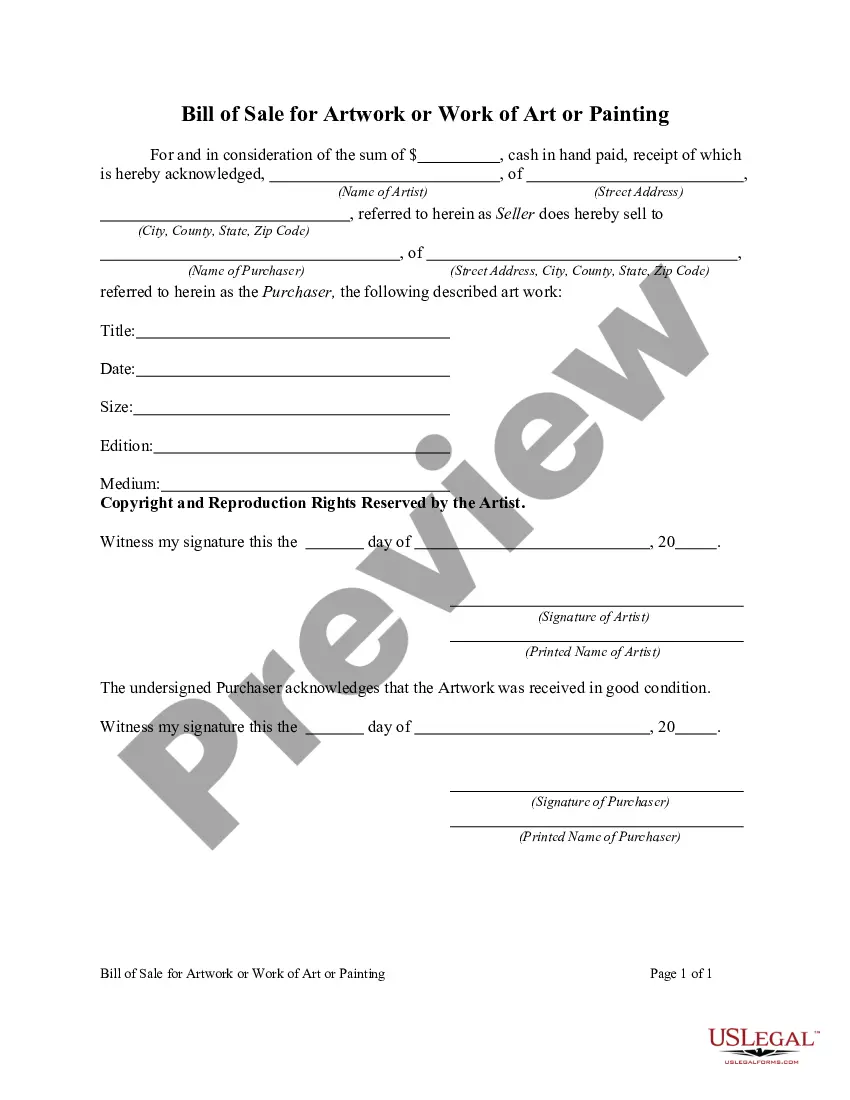
Description


Get your form ready online
Our built-in tools help you complete, sign, share, and store your documents in one place.
Make edits, fill in missing information, and update formatting in US Legal Forms—just like you would in MS Word.
Download a copy, print it, send it by email, or mail it via USPS—whatever works best for your next step.
Sign and collect signatures with our SignNow integration. Send to multiple recipients, set reminders, and more. Go Premium to unlock E-Sign.
If this form requires notarization, complete it online through a secure video call—no need to meet a notary in person or wait for an appointment.
We protect your documents and personal data by following strict security and privacy standards.

Make edits, fill in missing information, and update formatting in US Legal Forms—just like you would in MS Word.

Download a copy, print it, send it by email, or mail it via USPS—whatever works best for your next step.

Sign and collect signatures with our SignNow integration. Send to multiple recipients, set reminders, and more. Go Premium to unlock E-Sign.

If this form requires notarization, complete it online through a secure video call—no need to meet a notary in person or wait for an appointment.

We protect your documents and personal data by following strict security and privacy standards.
Looking for another form?








Form popularity
FAQ
Texas is one of only two states that allow individuals to engage in a physical altercation if both consent to the fight. The Lone Star State and Washington both have laws that make mutual combat legal.
In most cases, no, you cannot legally fist fight in Texas. While there are some protections for two adults legally consenting to fight one another, getting in a fist fight is not a defense for breaking the law.
It's legal in Texas and Washington. In Texas, the law specifically states that consenting to mutual combat does not need to be explicit. So if you act like you want to fight, that's close enough legally.
It's legal in Texas and Washington. In Texas, the law specifically states that consenting to mutual combat does not need to be explicit. So if you act like you want to fight, that's close enough legally.
But we'd be remiss if we didn't point out that the far more exciting option—a literal duel—is technically legal in Texas. Swords and pistols are banned, but we're one of two lucky states (the other being Washington) where consenting adults can choose to settle a dispute by beating the out of each other.
In Texas, assault charges can range from misdemeanors to felonies, with jail time ranging from no jail for minor charges to life imprisonment for the most severe offenses. At the Law Office of David D. White, PLLC: Austin Criminal Lawyer, we're here to help guide you through this challenging time.
Texas State Penal Code (section 9.31) states that persons may use force against another party when they reasonably believe that force is needed to protect them against another's use of force or attempts to use illegal force.
The law behind certain mutual combat being allowed is Texas Penal Code 22.06. The law states that a party charged with assault can argue that the alleged victim consented to the fight. This defense may apply in the following circumstances: The fight did not result in serious bodily injury.
Penalties for a Class B misdemeanor can include up to 180 days in jail and fines of up to $2,000. A Class A misdemeanor is one step higher and includes cases where bodily injury was caused intentionally or knowingly. Convictions for Class A misdemeanors can lead to up to one year in jail and fines of up to $4,000.
As mentioned, Texas assault charges can range from a Class C ticket to a first-degree felony that can land someone in jail for the rest of his or her life.