Formularios Legales Formato In Pima
Description



Get your form ready online
Our built-in tools help you complete, sign, share, and store your documents in one place.
Make edits, fill in missing information, and update formatting in US Legal Forms—just like you would in MS Word.
Download a copy, print it, send it by email, or mail it via USPS—whatever works best for your next step.
Sign and collect signatures with our SignNow integration. Send to multiple recipients, set reminders, and more. Go Premium to unlock E-Sign.
If this form requires notarization, complete it online through a secure video call—no need to meet a notary in person or wait for an appointment.
We protect your documents and personal data by following strict security and privacy standards.

Make edits, fill in missing information, and update formatting in US Legal Forms—just like you would in MS Word.

Download a copy, print it, send it by email, or mail it via USPS—whatever works best for your next step.

Sign and collect signatures with our SignNow integration. Send to multiple recipients, set reminders, and more. Go Premium to unlock E-Sign.

If this form requires notarization, complete it online through a secure video call—no need to meet a notary in person or wait for an appointment.

We protect your documents and personal data by following strict security and privacy standards.
Looking for another form?

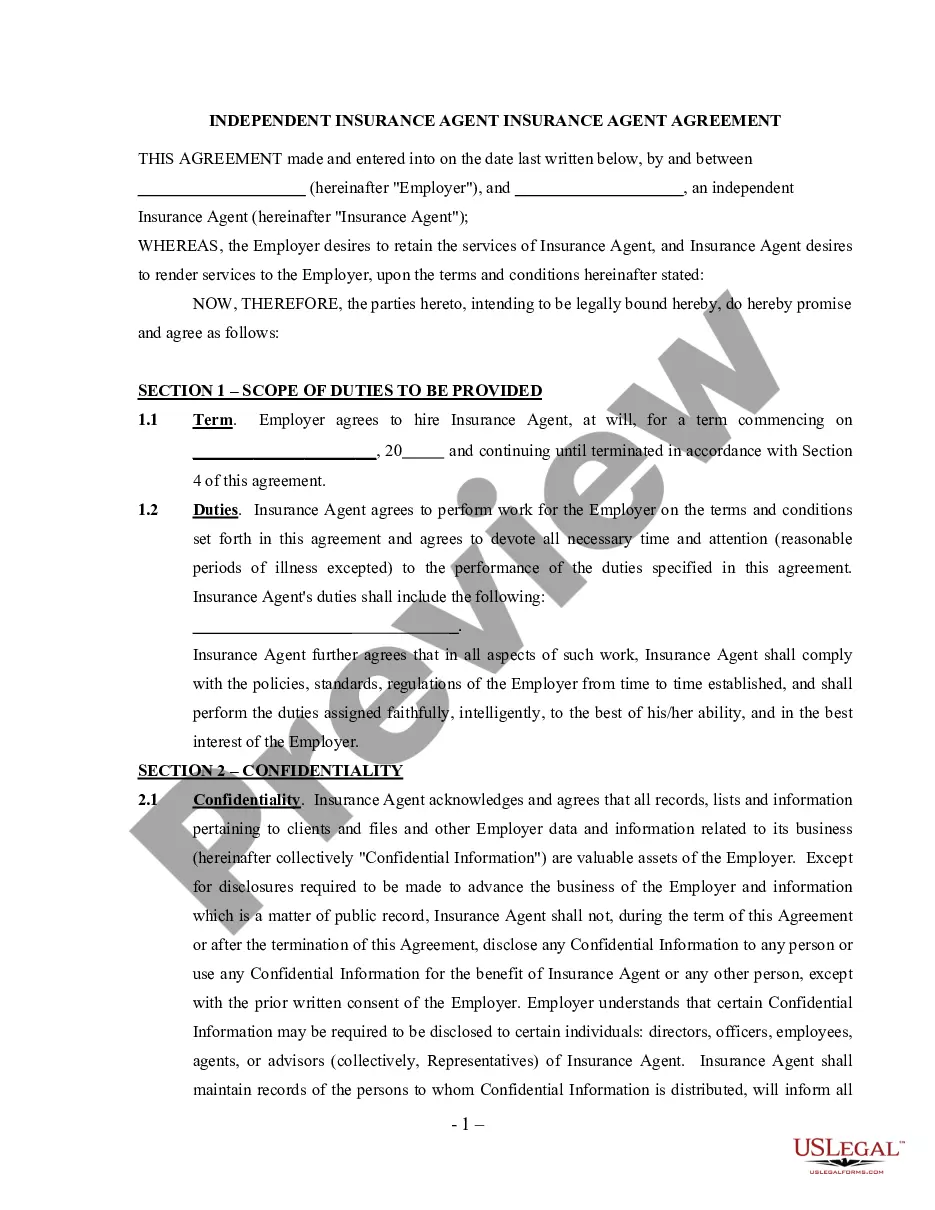





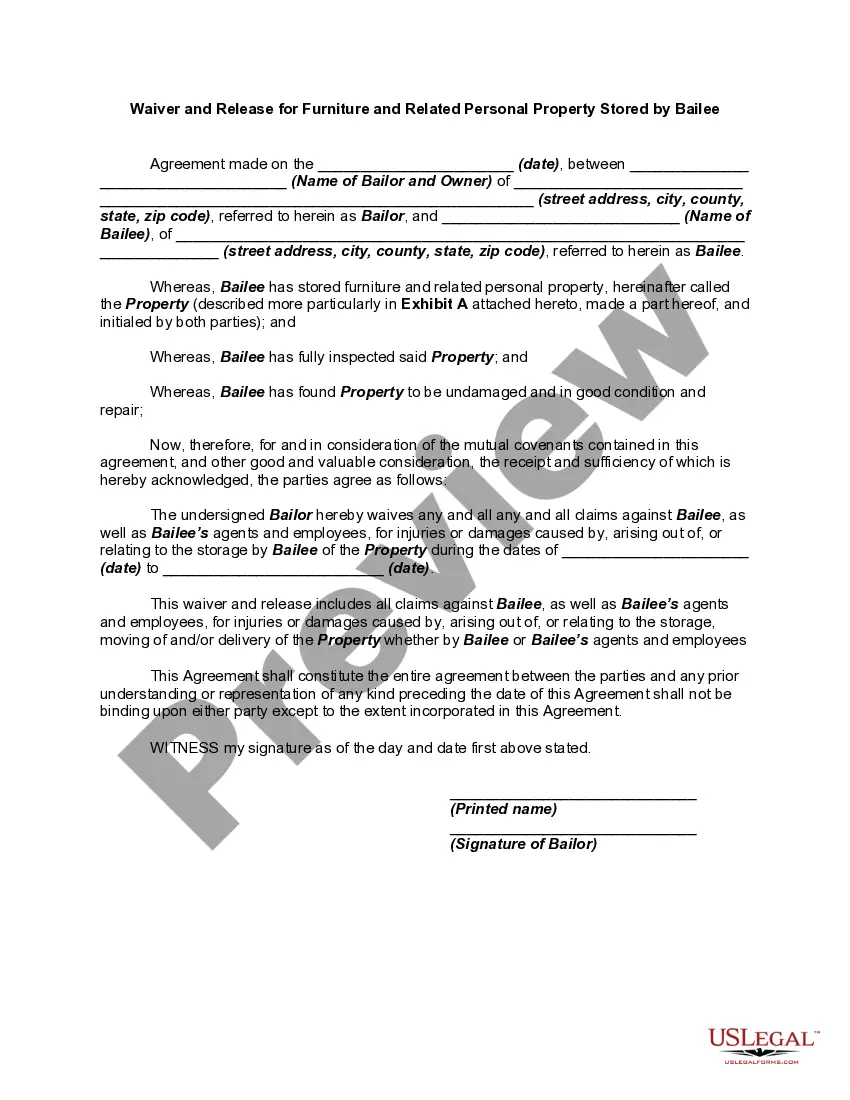


Form popularity
FAQ
Summary – How Long to Change Your Name in Arizona File, Hearing, Court Order – Usually 2-3 months to wait for your Hearing date, counting from the date you start. You get your Decree Changing Name right after your Hearing, upon approval. Update Your Records – 2-3 days (most important ones) 2-6 months for them all.
Change My Name Arizona Superior Court in Pima County provides two options for applicants seeking a name change. An applicant can file their application and request a telephonic hearing or can appear in person on a Wednesday or a Thursday morning.
Change My Name Arizona Superior Court in Pima County provides two options for applicants seeking a name change. An applicant can file their application and request a telephonic hearing or can appear in person on a Wednesday or a Thursday morning.
A Durable Power of Attorney is a written document in which a person (the principal) states that they are giving someone else (the agent) the authority to make certain decisions and to act on their behalf. In short, it is someone you choose to make decisions and take action in your place.
Durable Power of Attorney: A power of attorney that remains in effect even if the principal becomes incapacitated or unable to make decisions themselves. Without the specification of “durable,” a POA would typically end if the principal becomes incapacitated.
What is the difference between a DPOA and POA? A Durable Power of Attorney (DPOA) remains valid even if the principal becomes incapacitated, while a Power of Attorney (POA) ceases to be effective in such situations.
Note: The Power of Attorney does not need to be filed with the Court. Each person who is made the Attorney-in-Fact/Agent should keep the original of his or her Power of Attorney form in a convenient place so that it can be located easily when needed.
One major downfall of a POA is the agent may act in ways or do things that the principal had not intended. There is no direct oversight of the agent's activities by anyone other than you, the principal. This can lend a hand to situations such as elder financial abuse and/or fraud.
How to fill out an I-9 form in 6 steps Designate your authorized representative. Have the new hire complete Section 1: Employee Information and Attestation. Inspect the new hire's I-9 identification documents. Complete Section 2: Employer Review and Verification. Complete I-9 supplements, if applicable.
