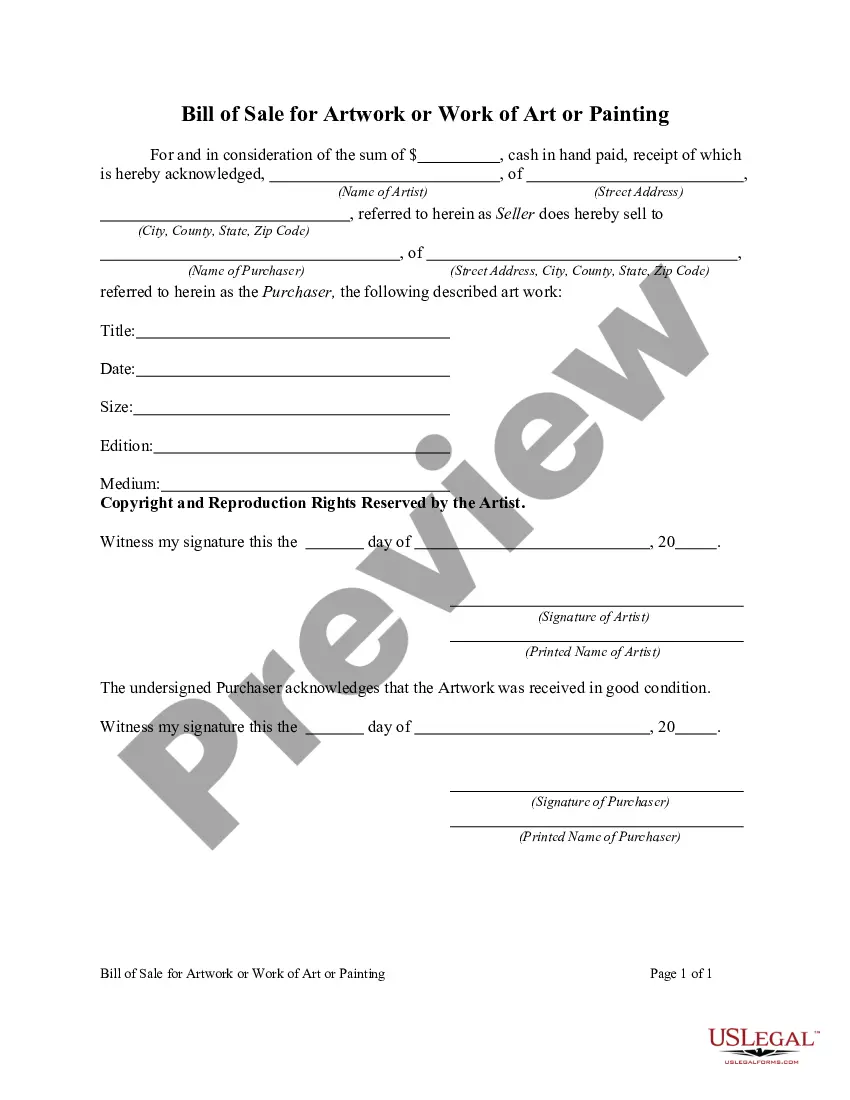
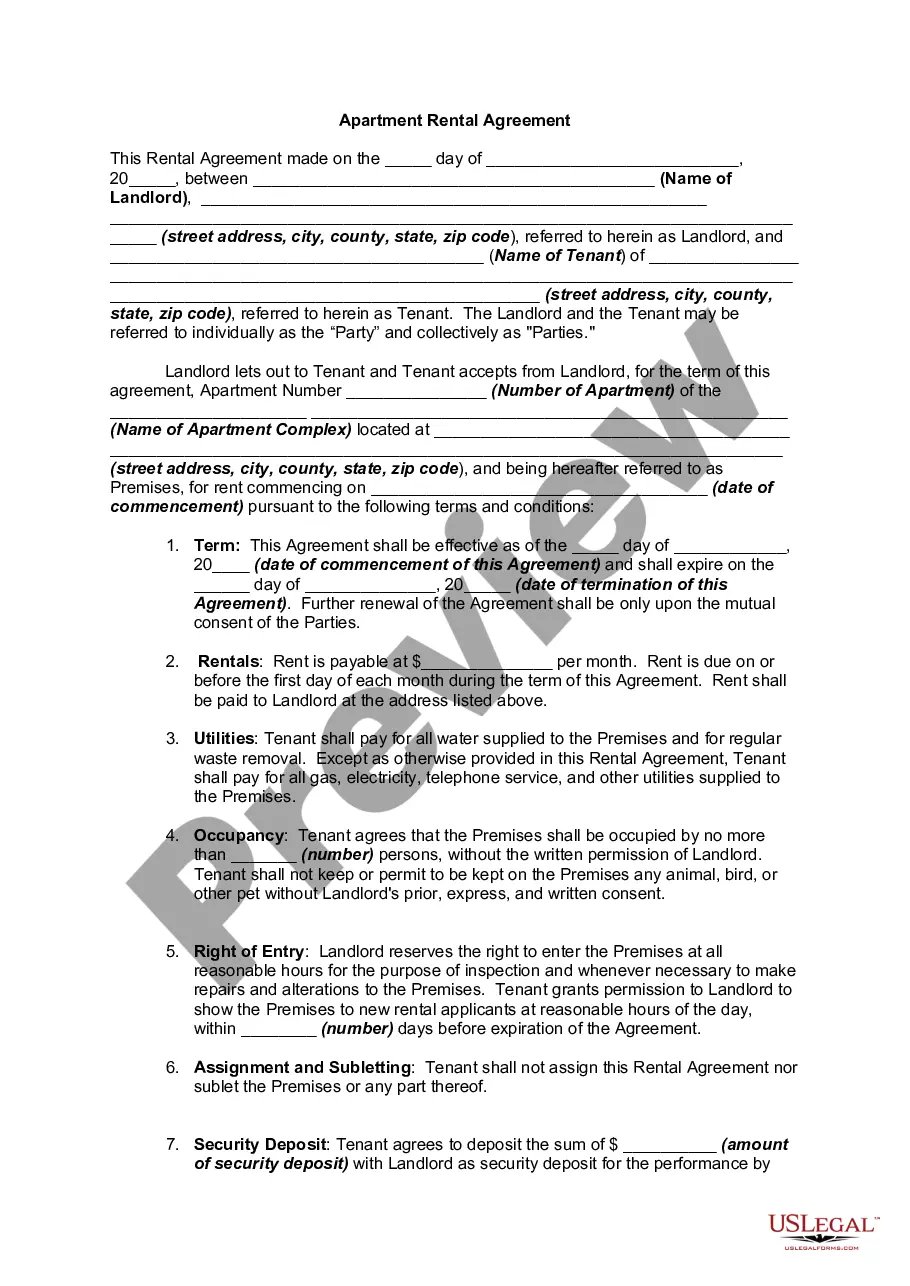
Law Us Legal Force In Orange
Description



Get your form ready online
Our built-in tools help you complete, sign, share, and store your documents in one place.
Make edits, fill in missing information, and update formatting in US Legal Forms—just like you would in MS Word.
Download a copy, print it, send it by email, or mail it via USPS—whatever works best for your next step.
Sign and collect signatures with our SignNow integration. Send to multiple recipients, set reminders, and more. Go Premium to unlock E-Sign.
If this form requires notarization, complete it online through a secure video call—no need to meet a notary in person or wait for an appointment.
We protect your documents and personal data by following strict security and privacy standards.

Make edits, fill in missing information, and update formatting in US Legal Forms—just like you would in MS Word.

Download a copy, print it, send it by email, or mail it via USPS—whatever works best for your next step.

Sign and collect signatures with our SignNow integration. Send to multiple recipients, set reminders, and more. Go Premium to unlock E-Sign.

If this form requires notarization, complete it online through a secure video call—no need to meet a notary in person or wait for an appointment.

We protect your documents and personal data by following strict security and privacy standards.
Looking for another form?








Form popularity
FAQ
U.S. Legal Support, Inc. provides litigation services. The Company provides full service legal advice, court reporting, record retrieval, litigation, ediscovery and trial services to insurance companies, corporations and law firms.
The U.S. Department of Justice (DOJ) Office of Professional Responsibility (OPR) is responsible for investigating allegations of misconduct against DOJ attorneys that relate to the exercise of their authority to investigate, litigate or provide legal advice, as well as allegations of misconduct against DOJ law ...
While pro bono work can be a positive experience for lawyers and law firms, it remains the practice of law and thus has inherent risk. Problems often occur when lawyers and law firms take an inattentive approach to pro bono matters, failing to dedicate the attention and care that would be given to a paying client.
Do I qualify for assistance? LAFLA follows federal poverty guidelines and assists only people with income less than 125% of the federal poverty guidelines. However, sometimes people with income over 125% of the federal poverty guidelines can qualify as well. Call 800-399-4529 to see if you qualify.
Congress has the authority to write the laws but gives authority to promulgate rules and regulations to interpret and to administer those laws to the federal agencies. The government agencies issue rules and regulations that have the force of law and preempt state laws and rules.
All legislative power in the government is vested in Congress, meaning that it is the only part of the government that can make new laws or change existing laws. Executive Branch agencies issue regulations with the full force of law, but these are only under the authority of laws enacted by Congress.
Federal laws are proposed and developed by the legislative branch of the federal government (Congress), enacted by the executive branch (the President and the Departments and agencies), and enforced by the judicial branch (the federal court system, including the Supreme Court).
Rules that have the force of law are called executive orders. These are directives from the President to administrators in the executive branch concerning the implementation of legislation, treated by courts as equivalent to laws.
The United States, like most former British colonies, uses a form of the common law system. A purely common law system is created by the judiciary, as the law comes from case law, rather than statute. Thus, a common law system has a strong focus on judicial precedent, stare decisis, and the rule of law.
The President is responsible for implementing and enforcing the laws written by Congress and, to that end, appoints the heads of the federal agencies, including the Cabinet. The Vice President is also part of the Executive Branch, ready to assume the Presidency should the need arise.