Law With Legal Force In Franklin
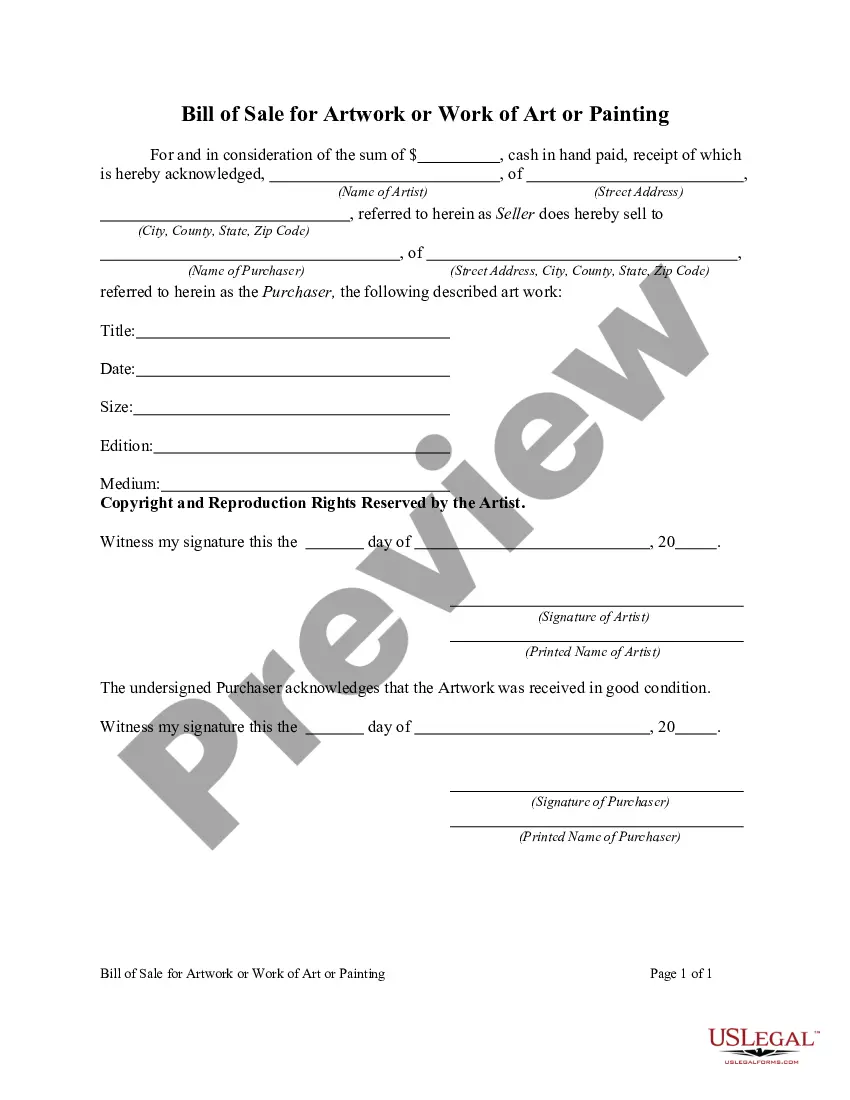
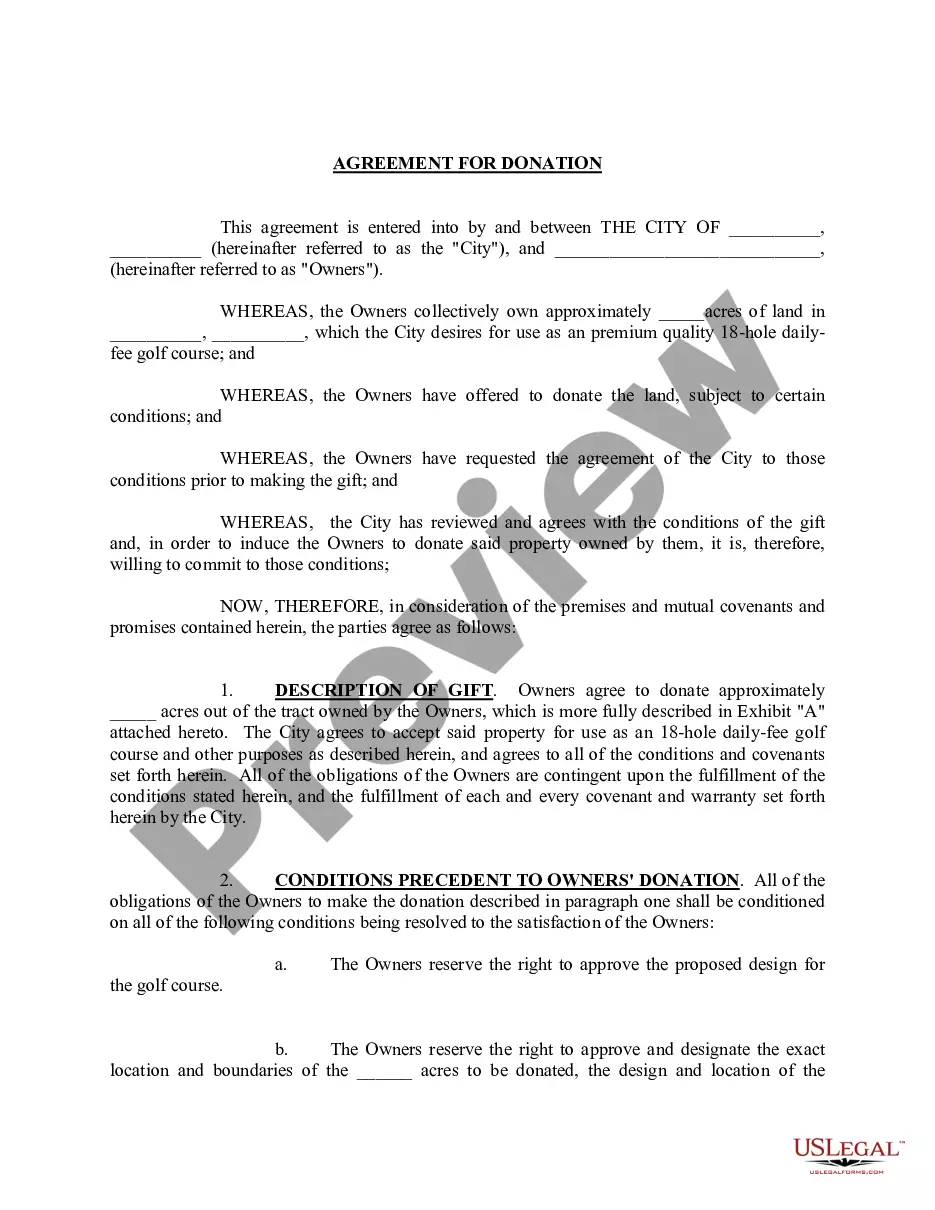
Description



Get your form ready online
Our built-in tools help you complete, sign, share, and store your documents in one place.
Make edits, fill in missing information, and update formatting in US Legal Forms—just like you would in MS Word.
Download a copy, print it, send it by email, or mail it via USPS—whatever works best for your next step.
Sign and collect signatures with our SignNow integration. Send to multiple recipients, set reminders, and more. Go Premium to unlock E-Sign.
If this form requires notarization, complete it online through a secure video call—no need to meet a notary in person or wait for an appointment.
We protect your documents and personal data by following strict security and privacy standards.

Make edits, fill in missing information, and update formatting in US Legal Forms—just like you would in MS Word.

Download a copy, print it, send it by email, or mail it via USPS—whatever works best for your next step.

Sign and collect signatures with our SignNow integration. Send to multiple recipients, set reminders, and more. Go Premium to unlock E-Sign.

If this form requires notarization, complete it online through a secure video call—no need to meet a notary in person or wait for an appointment.

We protect your documents and personal data by following strict security and privacy standards.
Looking for another form?


Form popularity
FAQ
The Commission on Judicial Performance, established in 1960, is the independent state agency responsible for investigating complaints of judicial misconduct and judicial incapacity and for disciplining judges, pursuant to article VI, section 18 of the California Constitutionopens in a new window.
The Advisory Committee on Judicial Conduct may be reached at (609) 292-2552. Correspondence, including complaints, should be addressed to the Advisory Committee on Judicial Conduct, CN-037, Trenton, NJ 08625.
An “error of law” generally means that the judge in your case applied the wrong rule or “legal standard” to the facts of your case. This can occur if a trial court did not follow either the statute or case law in your state that is supposed to apply in your case's circumstances.
Obvious examples are violations of criminal law, sexual misconduct with staff/attorneys/parties, joining discriminatory organizations and using the judicial position to enhance a private interest.
Selected Types of Judicial Misconduct Abuse of authority. Failing to disclose a conflict of interest. Improper communication about a case. Improper political activities.
Make a complaint about a City tribunal judge. Call 311 or 212-NEW-YORK (212-639-9675) for help. Download and mail a completed complaint form or mail a written letter that includes: Your name.
Hearing civil cases; Protecting individual rights granted by the state constitution; Determing the guilt or innocence of those accused of violating the criminal laws of the state; Acting as a check upon the legislative and executive branches of state government.
Federal laws are proposed and developed by the legislative branch of the federal government (Congress), enacted by the executive branch (the President and the Departments and agencies), and enforced by the judicial branch (the federal court system, including the Supreme Court).
The United States, like most former British colonies, uses a form of the common law system. A purely common law system is created by the judiciary, as the law comes from case law, rather than statute. Thus, a common law system has a strong focus on judicial precedent, stare decisis, and the rule of law.
Rules that have the force of law are called executive orders. These are directives from the President to administrators in the executive branch concerning the implementation of legislation, treated by courts as equivalent to laws.