Sports Law With Formula In Cook
Description


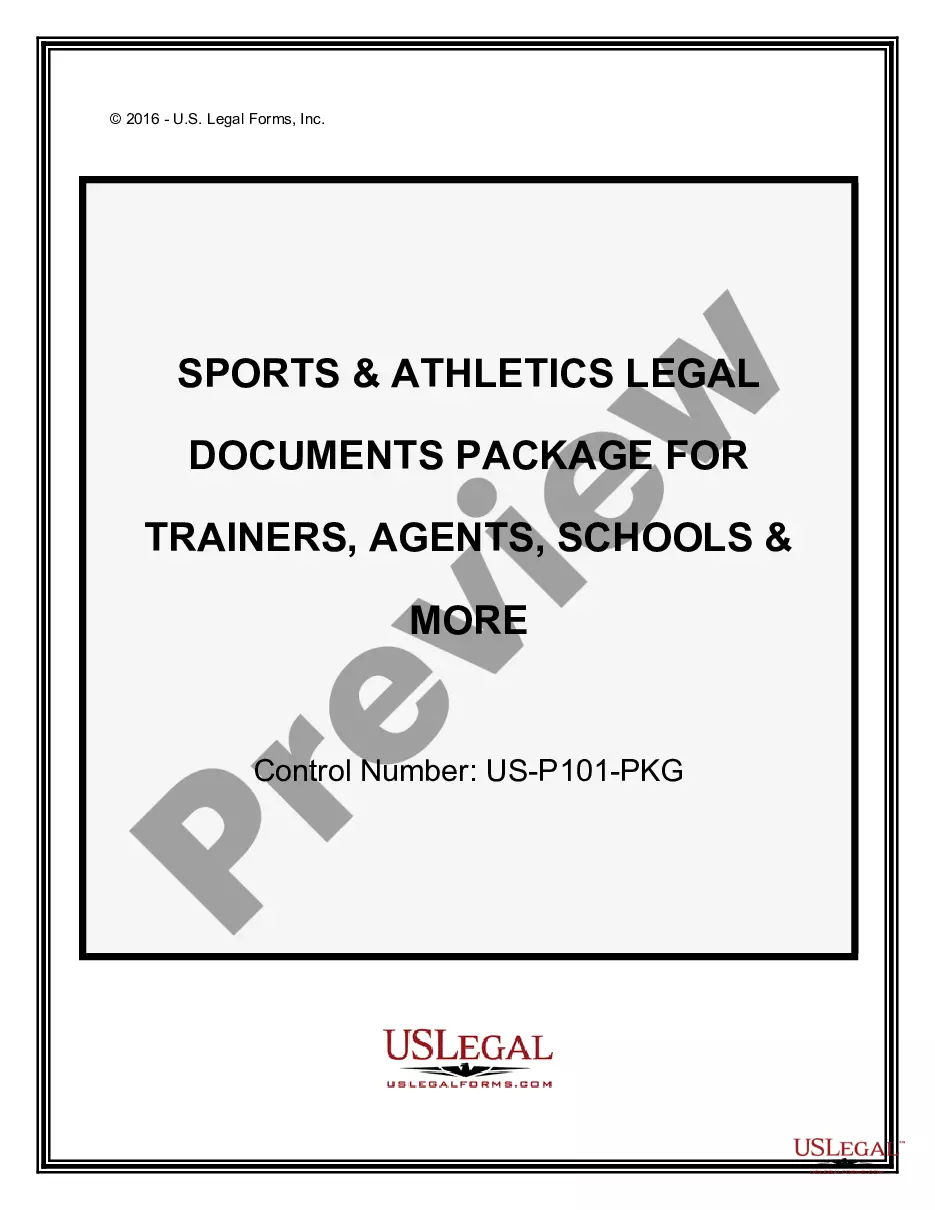
Get your form ready online
Our built-in tools help you complete, sign, share, and store your documents in one place.
Make edits, fill in missing information, and update formatting in US Legal Forms—just like you would in MS Word.
Download a copy, print it, send it by email, or mail it via USPS—whatever works best for your next step.
Sign and collect signatures with our SignNow integration. Send to multiple recipients, set reminders, and more. Go Premium to unlock E-Sign.
If this form requires notarization, complete it online through a secure video call—no need to meet a notary in person or wait for an appointment.
We protect your documents and personal data by following strict security and privacy standards.

Make edits, fill in missing information, and update formatting in US Legal Forms—just like you would in MS Word.

Download a copy, print it, send it by email, or mail it via USPS—whatever works best for your next step.

Sign and collect signatures with our SignNow integration. Send to multiple recipients, set reminders, and more. Go Premium to unlock E-Sign.

If this form requires notarization, complete it online through a secure video call—no need to meet a notary in person or wait for an appointment.

We protect your documents and personal data by following strict security and privacy standards.
Looking for another form?
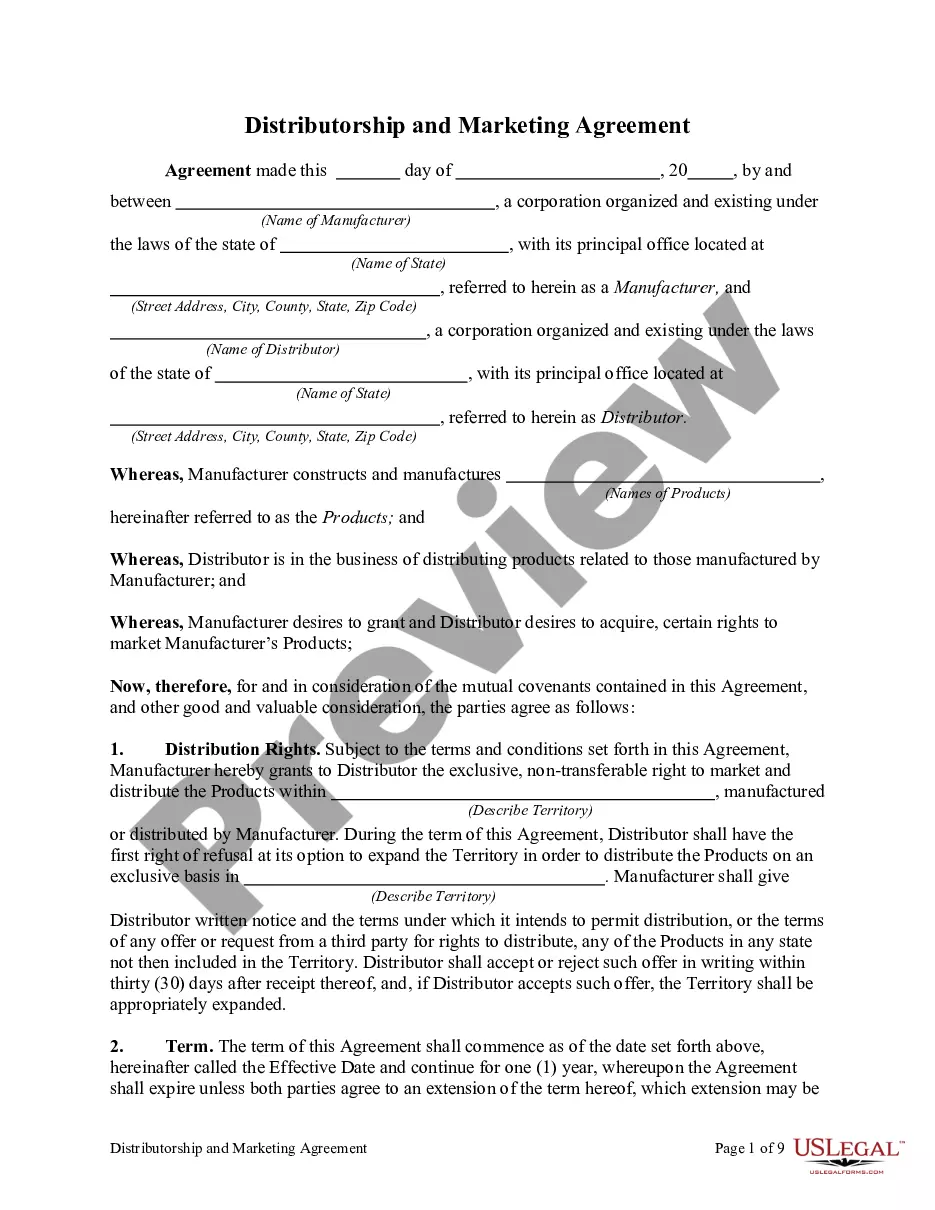





Form popularity
FAQ
Sports law attorneys often get unique opportunities, such as attending major sporting events, working closely with athletes, and being involved in high-stakes negotiations2. For those passionate about sports, combining a love for the game with a legal career can be deeply satisfying.
Education-wise, it will take seven to eight years to become a sports lawyer: four years to obtain an undergrad, three years to complete a JD, and an optional additional year to pursue an LLM in Sports Law. However, it often takes lawyers a few years to build up a good clientele of players and organizations.
Steps to Becoming a Sports Lawyer Step One: Obtain an Undergraduate. Step Two: Gain Useful Experience. Step Three: Write the LSAT or GRE. Step Four: Go to Law School. Step Five: Complete the MPRE. Step Six: Pass the Bar Exam. Step Seven: Obtain an LLM in Sports Law.
Having a law degree is not a necessity, but can really help a sports agent to fully understand the contracts which they are negotiating and also having the critical thinking skills to work through solutions while negotiating. Also, they are forming arguments on behalf of their clients.
Sports Lawyer Salary Annual SalaryHourly Wage Top Earners $131,000 $62 75th Percentile $103,000 $50 Average $100,626 $48 25th Percentile $79,000 $38
Sports agents might pursue a degree in law in order to give their clients legal advice on contracts and sponsorship deals. While there is no requirement for a sports agent to have a law degree, having a degree in law can be beneficial in securing a higher salary and better clientele.
Education-wise, it will take seven to eight years to become a sports lawyer: four years to obtain an undergrad, three years to complete a JD, and an optional additional year to pursue an LLM in Sports Law. However, it often takes lawyers a few years to build up a good clientele of players and organizations.
Attorneys specializing in sports law navigate a diverse range of opportunities, from representing athletes and teams in contract negotiations to handling issues related to intellectual property, sponsorship and NIL agreements, and dispute resolution.
However, sports law as a specialty is extremely competitive with few spots actually available. If you truly serious about sports law, I would recommend retaking the LSAT and trying for a T14, which will give you a significantly better chance at Big Law, and then in house exit options. Good Luck!!
The following is a checklist of matters to be considered in drafting a contract for the employment of an athlete: Names of parties. Addresses of parties. Statement of hiring. Term of contract. Duties and obligations of athlete. Attendance at training camp. Amount of compensation. Times at which compensation payable.
