Law Book Rules In Sacramento
Description
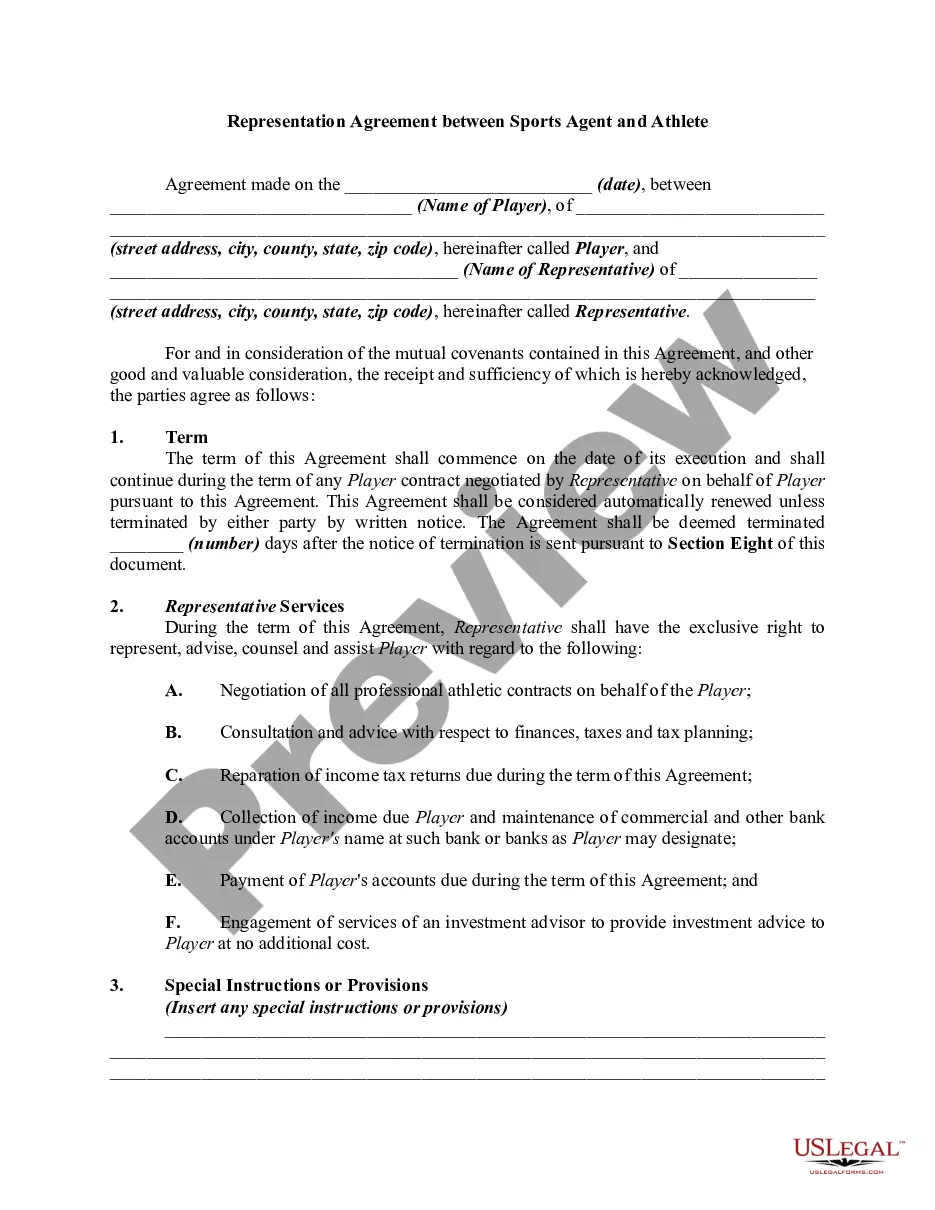
Get your form ready online
Our built-in tools help you complete, sign, share, and store your documents in one place.
Make edits, fill in missing information, and update formatting in US Legal Forms—just like you would in MS Word.
Download a copy, print it, send it by email, or mail it via USPS—whatever works best for your next step.
Sign and collect signatures with our SignNow integration. Send to multiple recipients, set reminders, and more. Go Premium to unlock E-Sign.
If this form requires notarization, complete it online through a secure video call—no need to meet a notary in person or wait for an appointment.
We protect your documents and personal data by following strict security and privacy standards.

Make edits, fill in missing information, and update formatting in US Legal Forms—just like you would in MS Word.

Download a copy, print it, send it by email, or mail it via USPS—whatever works best for your next step.

Sign and collect signatures with our SignNow integration. Send to multiple recipients, set reminders, and more. Go Premium to unlock E-Sign.

If this form requires notarization, complete it online through a secure video call—no need to meet a notary in person or wait for an appointment.

We protect your documents and personal data by following strict security and privacy standards.
Looking for another form?



Form popularity
FAQ
All papers opposing a motion so noticed shall be filed with the court and a copy served on each party at least nine court days, and all reply papers at least five court days before the hearing. The court, or a judge thereof, may prescribe a shorter time.
1.06 Tentative Ruling System. (A) In all civil law and motion, writ, and other departments as designated, a Tentative Ruling System is utilized. On the afternoon of the court day before each calendar, the judge will publish a tentative ruling on each matter on the next day's calendar.
Pursuant to Local Rule 2.35, except by order of the court, following a showing of good cause, all ex parte applications presented to the court seeking to set a matter on shortened time must provide for a briefing schedule that (1) allows for opposition papers to be filed and served no less than five court days prior to ...
Trial courts are also called "superior courts." In the trial or superior court, a judge, and sometimes a jury, hears testimony and evidence and decides a case by applying the law to the facts of the case. Superior courts handle: All civil cases (family law, probate, juvenile, and other civil cases);
1.06 Tentative Ruling System. (A) In all civil law and motion, writ, and other departments as designated, a Tentative Ruling System is utilized. On the afternoon of the court day before each calendar, the judge will publish a tentative ruling on each matter on the next day's calendar.
Rules of court are a set of procedural regulations adopted by courts which must be followed by parties and their lawyers on matters within the court's jurisdiction. These rules are often classified into different categories, such as criminal procedure, civil procedure, evidence rules, and appellate procedure.
A ruling is a court's decision on a matter presented in a lawsuit. A ruling could refer to a judgment, which can be final or non-final. A ruling could also refer to a court's decision on a party's motion or application for a writ. Last updated in April of 2021 by the Wex Definitions Team
In general civil cases, Rule 212(g) requires that a case management statement be filed on Judicial Council Form CM-110 before each case management conference.
Rule 222.1 of the California Rules of Court provides: "A motion to compel answers or further answers to interrogatories or requests for admissions or to protect the responding party shall include a declaration stating facts to show that prior to the filing thereof counsel for the moving party made a reasonable attempt ...
