Law Books For Beginners India In Pima
Description
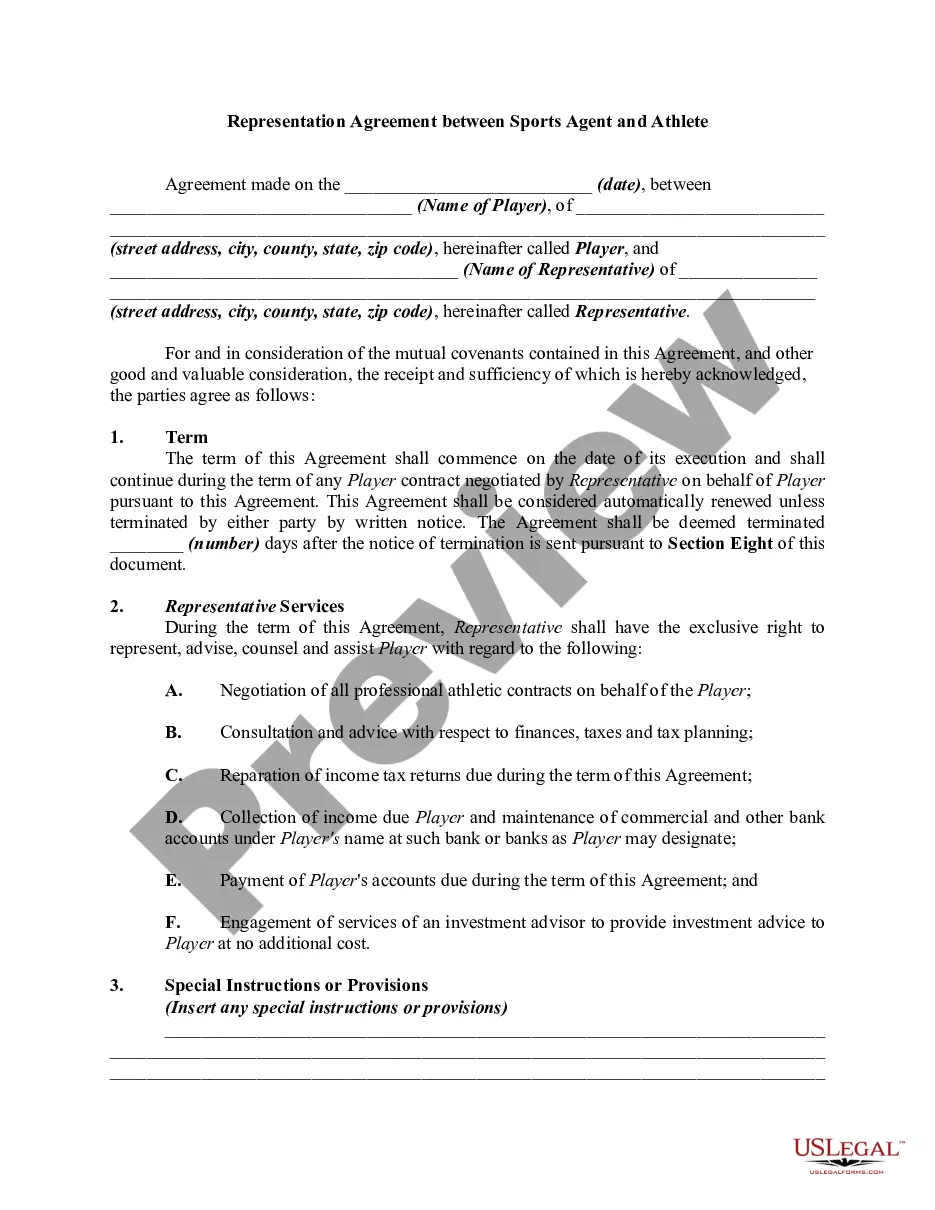
Get your form ready online
Our built-in tools help you complete, sign, share, and store your documents in one place.
Make edits, fill in missing information, and update formatting in US Legal Forms—just like you would in MS Word.
Download a copy, print it, send it by email, or mail it via USPS—whatever works best for your next step.
Sign and collect signatures with our SignNow integration. Send to multiple recipients, set reminders, and more. Go Premium to unlock E-Sign.
If this form requires notarization, complete it online through a secure video call—no need to meet a notary in person or wait for an appointment.
We protect your documents and personal data by following strict security and privacy standards.

Make edits, fill in missing information, and update formatting in US Legal Forms—just like you would in MS Word.

Download a copy, print it, send it by email, or mail it via USPS—whatever works best for your next step.

Sign and collect signatures with our SignNow integration. Send to multiple recipients, set reminders, and more. Go Premium to unlock E-Sign.

If this form requires notarization, complete it online through a secure video call—no need to meet a notary in person or wait for an appointment.

We protect your documents and personal data by following strict security and privacy standards.
Looking for another form?








Form popularity
FAQ
It is said that all Hindu Law originated from the Vedas (also called Shruti). However, in fact this a fiction, and in fact the Hindu law really emanated from books called the Smritis e.g. Manusmriti, Yajnavalkya Smiriti and the Smritis of Vishnu, Narad, Parashar, Apastamba, Vashisht, Gautam, etc.
The Arthashastra, dating from 400 BC and the Manusmriti, from 100 AD, were influential treatises in India, texts that were considered authoritative legal guidance.
The Manusmrti is one of the best-known legal texts of early India, written in Sanskrit and compiled between second century BCE and second century CE. Manusmriti records the words of Lord Brahma only. The text states the law of all the social classes.
1. CPC by Takwani 2. CrPC by Kelkar 3. Constitutional Law by VN Shukla 4. Contract law by Mulla 5. Law of Tort by Ratanlal Dhirajlal 6. Family law by Poonam Pradham Saxena 7. Property law by Poonam Pradhan Saxena
How to Start Studying Law Start Reading the Constitution of India. Read the Bharatiya Nyaya Sanhita. Read the Bharatiya Nagarik Suraksha Sanhita. Focus on the Civil Procedure Code. Carefully Understand the Bharatiya Sakshya Adhiniyam. Other Important Acts. Additional Important Things to Focus On.
Manu-Smriti ("The Dharma Text of Manu"), traditionally the most authoritative of the books of the Hindu code (Dharma-Shastra) in India, which is officially known as Manava-Dharma-Shastra. It is attributed to the legendary first man and lawgiver, Manu. The received text dates from circa 100 CE.
Some of the most prominent Smriti are Dharmashastras which includes Manusmriti (200BC-200CE); Yajnavalkya Smriti (200-500CE); Naradasmriti (100BC-400CE); Visnusmriti (700-1000CE); Brhaspatismriti (200-400CE); and Katyayanasmriti (300-600CE). These texts were often used for legal judgments and opinion.
Indian Law Institute Library established in 1956, is one of the leading law libraries in Asia and attracts scholars from all over the World for legal research. The University Grants Commission has recognized the library as a place for legal research leading to doctorate degree in law and political science.
NIRF 2022 Rankings for Top 20 Law Schools in India are as follows: NameNIRF 2022 Rank National Law School of India University, Bengaluru, Karnataka 1. National Law University, New Delhi, Delhi 2. Symbiosis Law School, Pune, Maharashtra 3. Nalsar University of Law, Hyderabad, Telangana 4.16 more rows
