Law Book For Banking In Pima
Description
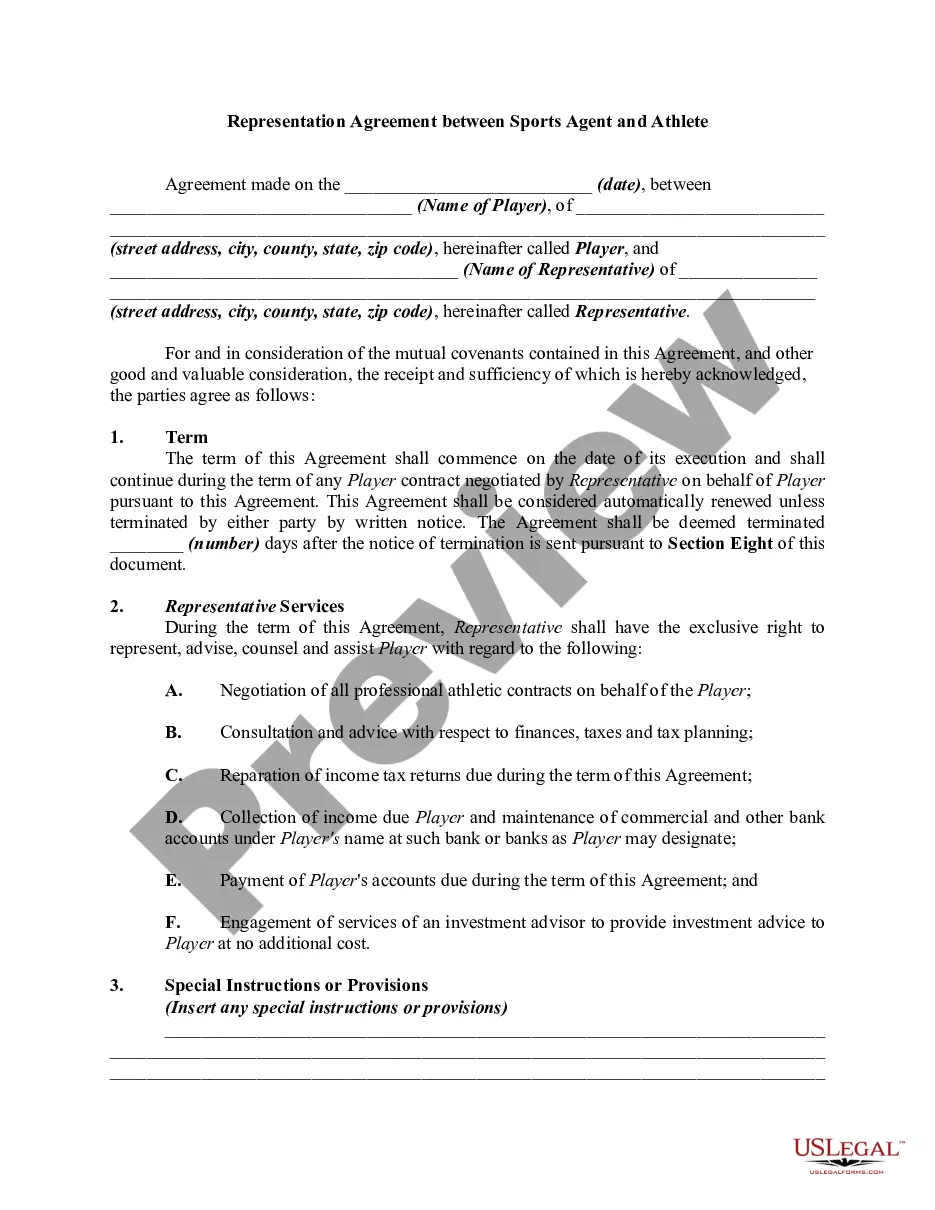
Get your form ready online
Our built-in tools help you complete, sign, share, and store your documents in one place.
Make edits, fill in missing information, and update formatting in US Legal Forms—just like you would in MS Word.
Download a copy, print it, send it by email, or mail it via USPS—whatever works best for your next step.
Sign and collect signatures with our SignNow integration. Send to multiple recipients, set reminders, and more. Go Premium to unlock E-Sign.
If this form requires notarization, complete it online through a secure video call—no need to meet a notary in person or wait for an appointment.
We protect your documents and personal data by following strict security and privacy standards.

Make edits, fill in missing information, and update formatting in US Legal Forms—just like you would in MS Word.

Download a copy, print it, send it by email, or mail it via USPS—whatever works best for your next step.

Sign and collect signatures with our SignNow integration. Send to multiple recipients, set reminders, and more. Go Premium to unlock E-Sign.

If this form requires notarization, complete it online through a secure video call—no need to meet a notary in person or wait for an appointment.

We protect your documents and personal data by following strict security and privacy standards.
Looking for another form?








Form popularity
FAQ
Banking law involves both state and federal law. Financial institutions can be chartered under either state or federal law. Banking transactions involving checks, negotiable instruments, funds transfers, letters of credit, and securities are governed under the Uniform Commercial Code and federal regulations.
The banking book is where financial institutions record traditional banking activities such as loans and deposits. This pertains to lending not only to individuals but also to corporates and other banks. It is intrinsically linked with investment banking activities as well.
(NBA)—the organic statute governing the OCC and national banks—as a corporation law and analyzes the business of banking through a corporate law lens.
In the U.S., banking is regulated at both the federal and state level. Depending on the type of charter a banking organization has and on its organizational structure, it may be subject to numerous federal and state banking regulations.
Fundamentals of Banking Law (formerly Banking Law Basics) has been offered for over 20 years as a comprehensive overview of banking regulatory law by a highly experienced faculty of seasoned practitioners and former regulators who have also taught law school courses in banking regulation and related topics.
From law ebooks on administrative law, the constitution, and our courts, we carry a diverse selection for you to read on your device. Whether you're a student, a lawyer, or simply an inquiring mind, you'll get quick access to the best legal books and amazing law-related titles that help demystify the legal system.
The law governing banks, bank accounts, and lending in the United States is a hybrid of federal and state statutory law. Consumers and businesses usually establish bank accounts in banks and savings associations chartered under state or federal law.
One major downfall of a POA is the agent may act in ways or do things that the principal had not intended. There is no direct oversight of the agent's activities by anyone other than you, the principal. This can lend a hand to situations such as elder financial abuse and/or fraud.
Durable Power of Attorney: A power of attorney that remains in effect even if the principal becomes incapacitated or unable to make decisions themselves. Without the specification of “durable,” a POA would typically end if the principal becomes incapacitated.
What is the difference between a DPOA and POA? A Durable Power of Attorney (DPOA) remains valid even if the principal becomes incapacitated, while a Power of Attorney (POA) ceases to be effective in such situations.
