Handbook For Law In Pennsylvania
Description
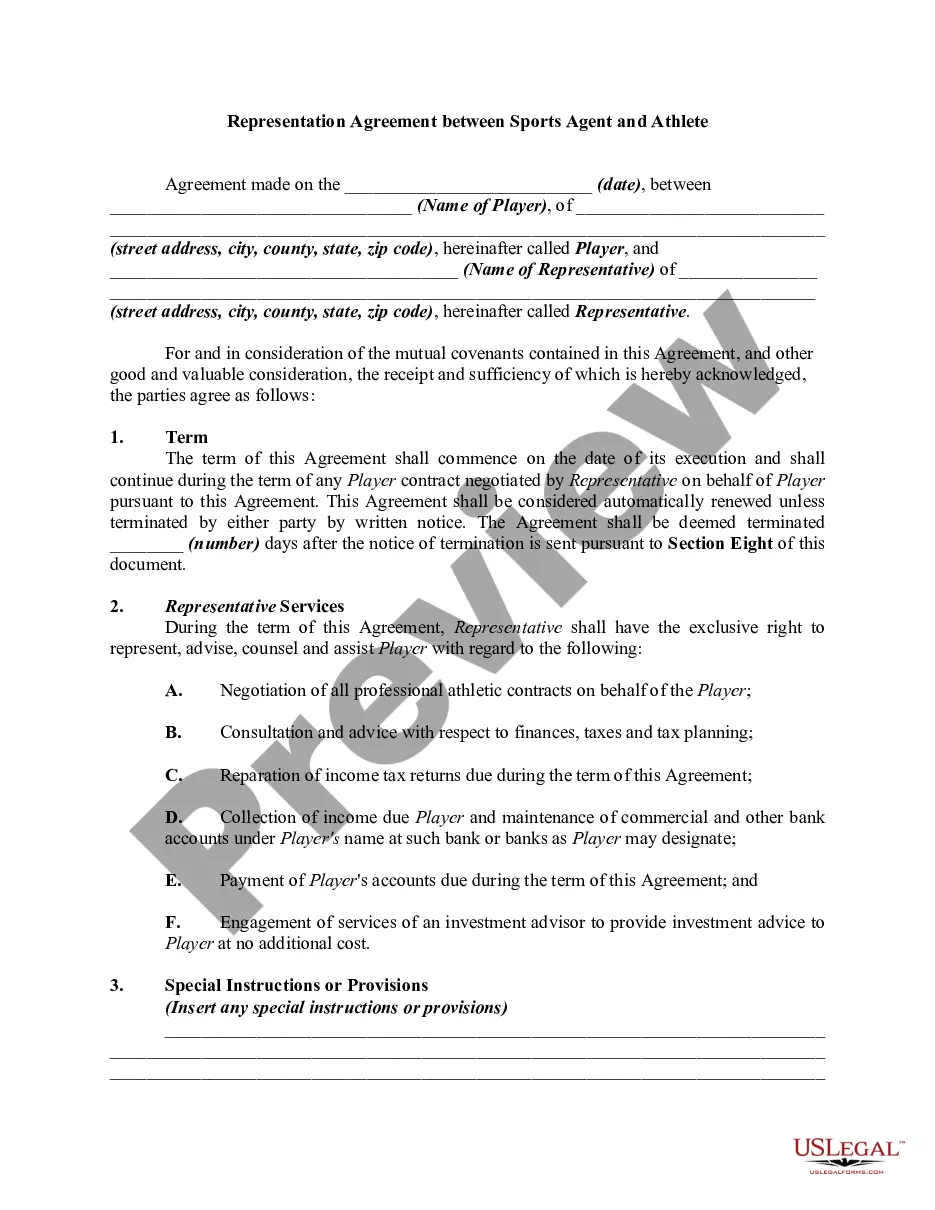
Get your form ready online
Our built-in tools help you complete, sign, share, and store your documents in one place.
Make edits, fill in missing information, and update formatting in US Legal Forms—just like you would in MS Word.
Download a copy, print it, send it by email, or mail it via USPS—whatever works best for your next step.
Sign and collect signatures with our SignNow integration. Send to multiple recipients, set reminders, and more. Go Premium to unlock E-Sign.
If this form requires notarization, complete it online through a secure video call—no need to meet a notary in person or wait for an appointment.
We protect your documents and personal data by following strict security and privacy standards.

Make edits, fill in missing information, and update formatting in US Legal Forms—just like you would in MS Word.

Download a copy, print it, send it by email, or mail it via USPS—whatever works best for your next step.

Sign and collect signatures with our SignNow integration. Send to multiple recipients, set reminders, and more. Go Premium to unlock E-Sign.

If this form requires notarization, complete it online through a secure video call—no need to meet a notary in person or wait for an appointment.

We protect your documents and personal data by following strict security and privacy standards.
Looking for another form?







Form popularity
FAQ
The full text of more recent laws are on the GPO govinfo and Congress websites: GPO govinfo provides the full text of public and private laws from the 104th Congress (1995-1996) to the current Congress.
Official Commonwealth publication of Pennsylvania laws can be found in Smith's Laws of Pennsylvania (1700 through Nov. 30, 1801), Laws of Pennsylvania (Dec. 1, 1801 to date), and Pennsylvania Consolidated Statutes.
The State Library of Pennsylvania Law Library has an extensive law collection consisting of the laws, regulations, and higher court decisions of the U.S. government and all fifty states which can be searched through the State Library's catalog.
Steps to become a Lawyer/Attorney in Pennsylvania Pennsylvania Undergraduate Pre-Law Education. Take the LSAT (Law School Admission Test) Go to Law School in Pennsylvania. Take the Pennsylvania State Bar Exam and become an Attorney. Now that You're a Member of the Pennsylvania State Bar.
The complete laws relating to Corporations and Unincorporated Associations (Title 15) and Fictitious Names, Trademarks and other Marks (Title 54) are available on the Pennsylvania General Assembly website, .legis.state.pa, by following the link for Statutes.
(A) A petition for writ of habeas corpus challenging the legality of the petitioner's detention or confinement in a criminal matter shall be filed with the clerk of courts of the judicial district in which the order directing the petitioner's detention or confinement was entered.
Section 708. Exceptions for public records. (1) The burden of proving that a record of a Commonwealth agency or local agency is exempt from public access shall be on the Commonwealth agency or local agency receiving a request by a preponderance of the evidence.
The court must rule on a petition for writ of habeas corpus within 60 days after the petition is filed. (B) If the court fails to rule on the petition within 60 days of its filing, the petitioner may file a notice and request for ruling.
In order to file a petition for habeas corpus in federal court, you must satisfy the following conditions: You must be duly convicted prisoner serving time in a Pennsylvania prison; The writ must first be filed in Pennsylvania Supreme Court; You must have exhausted all other appeal options;
Today, habeas corpus is mainly used as a post-conviction remedy for state or federal prisoners who challenge the legality of the application of federal laws that were used in the judicial proceedings that resulted in their detention.
