Law Books With Name In Orange
Description
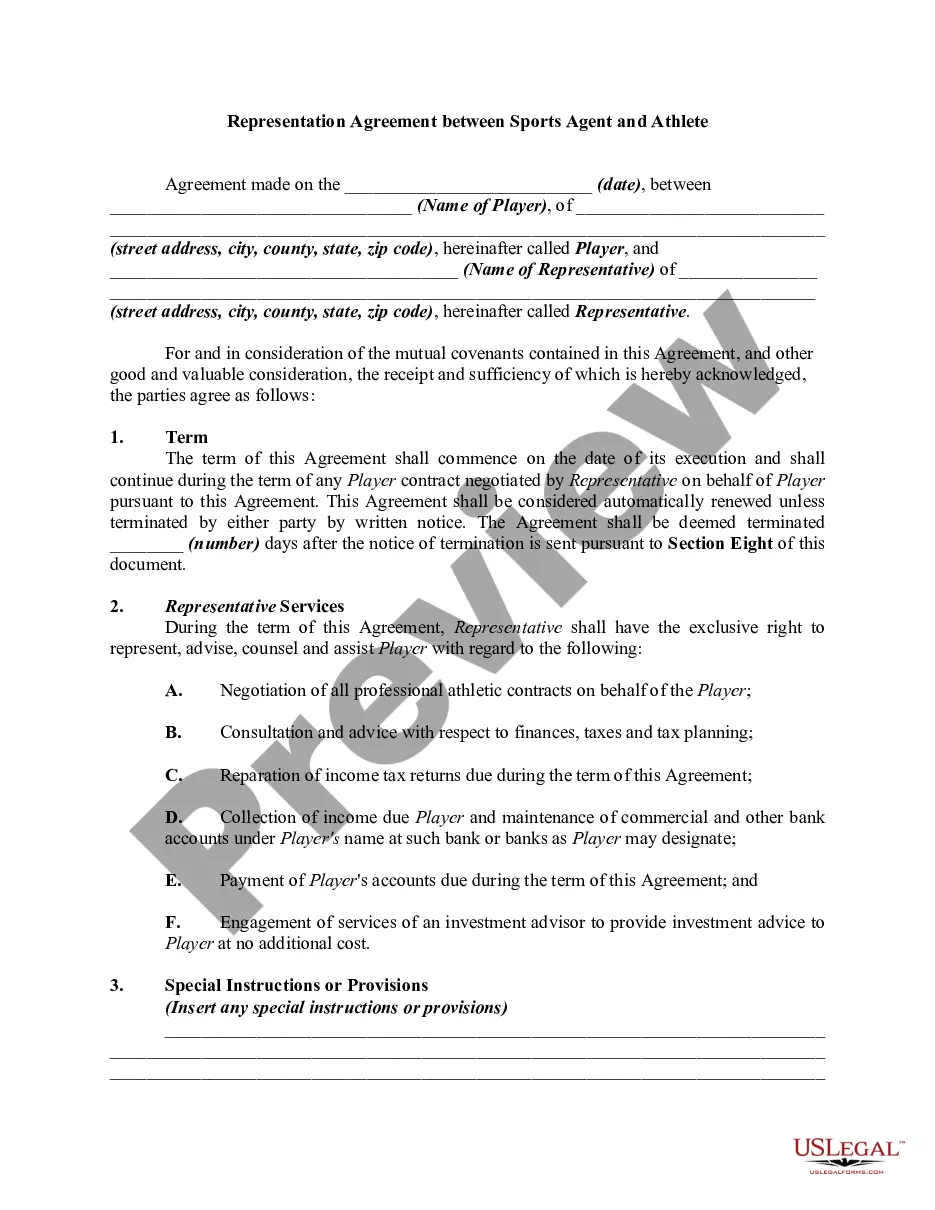
Get your form ready online
Our built-in tools help you complete, sign, share, and store your documents in one place.
Make edits, fill in missing information, and update formatting in US Legal Forms—just like you would in MS Word.
Download a copy, print it, send it by email, or mail it via USPS—whatever works best for your next step.
Sign and collect signatures with our SignNow integration. Send to multiple recipients, set reminders, and more. Go Premium to unlock E-Sign.
If this form requires notarization, complete it online through a secure video call—no need to meet a notary in person or wait for an appointment.
We protect your documents and personal data by following strict security and privacy standards.

Make edits, fill in missing information, and update formatting in US Legal Forms—just like you would in MS Word.

Download a copy, print it, send it by email, or mail it via USPS—whatever works best for your next step.

Sign and collect signatures with our SignNow integration. Send to multiple recipients, set reminders, and more. Go Premium to unlock E-Sign.

If this form requires notarization, complete it online through a secure video call—no need to meet a notary in person or wait for an appointment.

We protect your documents and personal data by following strict security and privacy standards.
Looking for another form?

Form popularity
FAQ
Here's the simple 7-step process on how to copyright a book: Go to the U.S. Copyright Office website. Select the “Literary Works” category. Create a new account. Start the copyright registration process. Fill out the details. Complete the copyright application. Submit your work to finish copyrighting your book.
As long as the words and phrases inside the book itself are not copied or adapted, there is no danger of copyright infringement.
How to File a Trademark Application for a Book Title Select the name of your series. Do a Trademark Search. File the Application with the U.S. Patent and Trademark Office. Track the progress of your application. Achieve Registration.
For example when the person's estate has an existing legal foothold on the use of their name and likeness. However, if the subject isn't a public figure – be it alive or deceased – you likely will need to obtain consent from them (or their family) prior to writing about them.
How to Negotiate and Retain Rights Ask the publisher to send a new copyright agreement form. Ask the publisher if you can attach an addendum to the publisher's copyright agreement form in order to retain the rights as desired. Insert the rights you wish to retain in the publisher copyright form.
Patents that are eligible to be listed in the Orange Book are patents that have claims that cover the drug substance (active ingredient), the drug product (formulation and composition), or the approved method of use.
How Do I use the Electronic Orange Book to find approved generic drugs? First, if you have the trade name, search the Electronic Orange Book's Rx or OTC section using the Proprietary Name search. This determines the ingredient(s). Then use the Ingredient Search for all approved products that contain the ingredient(s).
Final answer: The first letter in the Orange Book rating code indicates the Therapeutic equivalence. An 'A' rating signifies that the drug is recognized as therapeutically equivalent by the FDA, while a 'B' rating suggests it is not.
The publication, Approved Drug Products With Therapeutic Equivalence Evaluations (the List, commonly known as the Orange Book), identifies drug products approved on the basis of safety and effectiveness by the Food and Drug Administration (FDA) under the Federal Food, Drug, and Cosmetic Act (the FD&C Act).
If there are approved generic products of another firm, the RLD will be "No" and all the products within the Dosage Form; Route grouping will have a Therapeutic Equivalence Code (TE Code). Products that have been discontinued are in the Discontinued section and do not have RLD or TE Codes.
