Law Books With Name In Oakland
Description
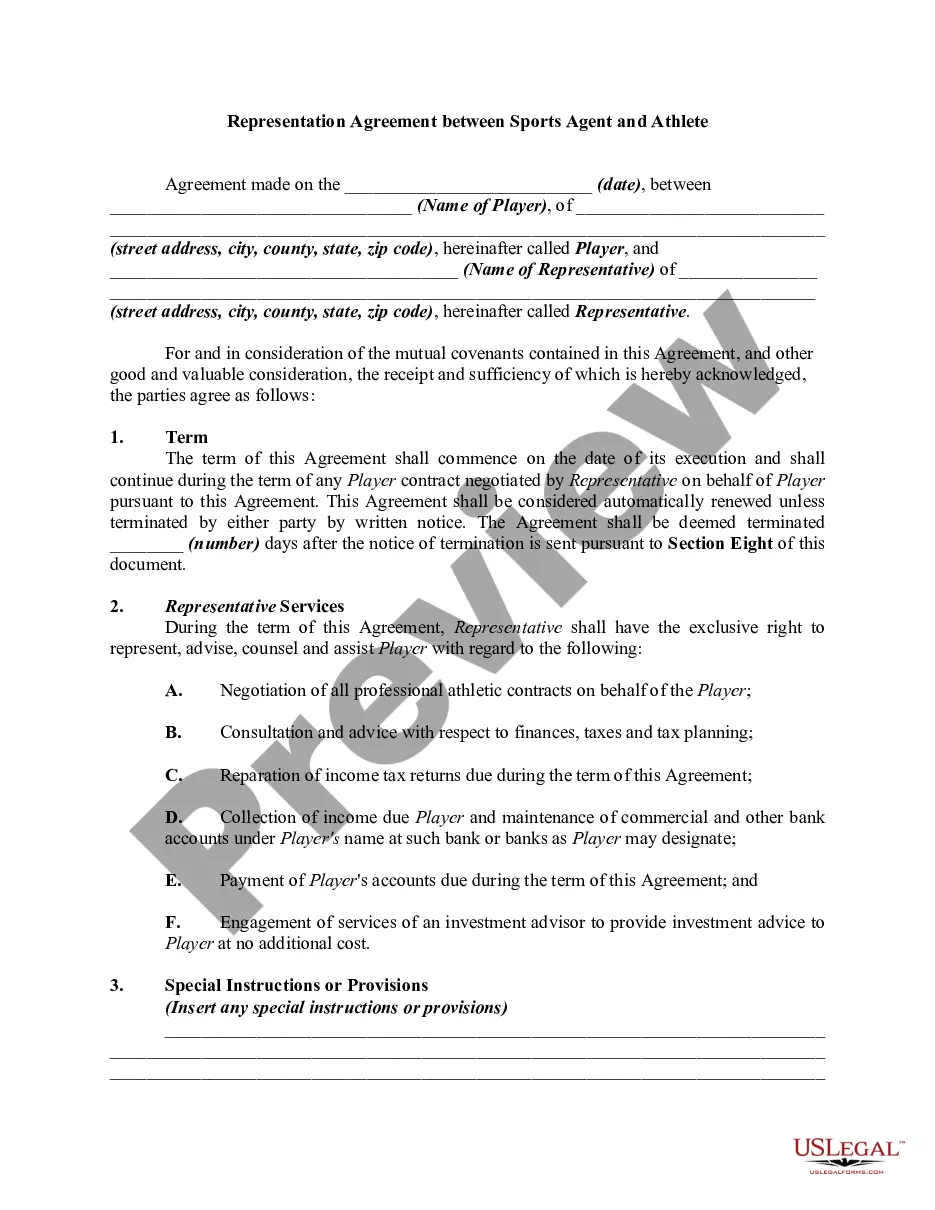
Get your form ready online
Our built-in tools help you complete, sign, share, and store your documents in one place.
Make edits, fill in missing information, and update formatting in US Legal Forms—just like you would in MS Word.
Download a copy, print it, send it by email, or mail it via USPS—whatever works best for your next step.
Sign and collect signatures with our SignNow integration. Send to multiple recipients, set reminders, and more. Go Premium to unlock E-Sign.
If this form requires notarization, complete it online through a secure video call—no need to meet a notary in person or wait for an appointment.
We protect your documents and personal data by following strict security and privacy standards.

Make edits, fill in missing information, and update formatting in US Legal Forms—just like you would in MS Word.

Download a copy, print it, send it by email, or mail it via USPS—whatever works best for your next step.

Sign and collect signatures with our SignNow integration. Send to multiple recipients, set reminders, and more. Go Premium to unlock E-Sign.

If this form requires notarization, complete it online through a secure video call—no need to meet a notary in person or wait for an appointment.

We protect your documents and personal data by following strict security and privacy standards.
Looking for another form?










Form popularity
FAQ
The Pleasanton Weekly is an adjudicated paper of record for Alameda County and meets the requirements to publish set by the county clerk.
In California, you can ask for a court order to change your legal name. To do this, you file a petition with the court and publish a notice in a newspaper. Then, you'll either have a court date (a hearing) where a judge will make a decision, or the judge may make a decision without a hearing.
Legal notices published in a local newspaper are required for such transactions as Fictitious Business Name, Notice of Probate Hearing, Legal Summons and Name Change. The Pleasanton Weekly is an adjudicated paper of record for Alameda County and meets the requirements to publish set by the county clerk.
How to legally change your name in CA via court order Step 1: Fill out and file legal documents. Step 2: Publish the notice—unless you're updating for gender identity. Step 3: Get a certificate of no judgments. Step 4: Attend a name change hearing. Step 5: File the decree. Step 6: Change your name with government agencies.
In California, you can ask for a court order to change your legal name. To do this, you file a petition with the court and publish a notice in a newspaper. Then, you'll either have a court date (a hearing) where a judge will make a decision, or the judge may make a decision without a hearing.
You can legally change your name by filing papers in court. If a judge agrees, they will give you a court order that states your new legal name. You need this order to change your name on identity documents, like your driver's license, passport, or social security card.
The United States Code is the Code of Laws of the United States of America (also referred to as Code of Laws of the United States, United States Code, U.S. Code, or U.S.C.) and is a compilation and codification of all the general and permanent Federal laws of the United States.
Statute book. noun as in book of laws.
The five classifications of law books are: Casebooks, Legal citation guides, Law dictionaries, Legal history books, and law books that document legal treatises.
