Law Books For Personal Statement In New York
Description
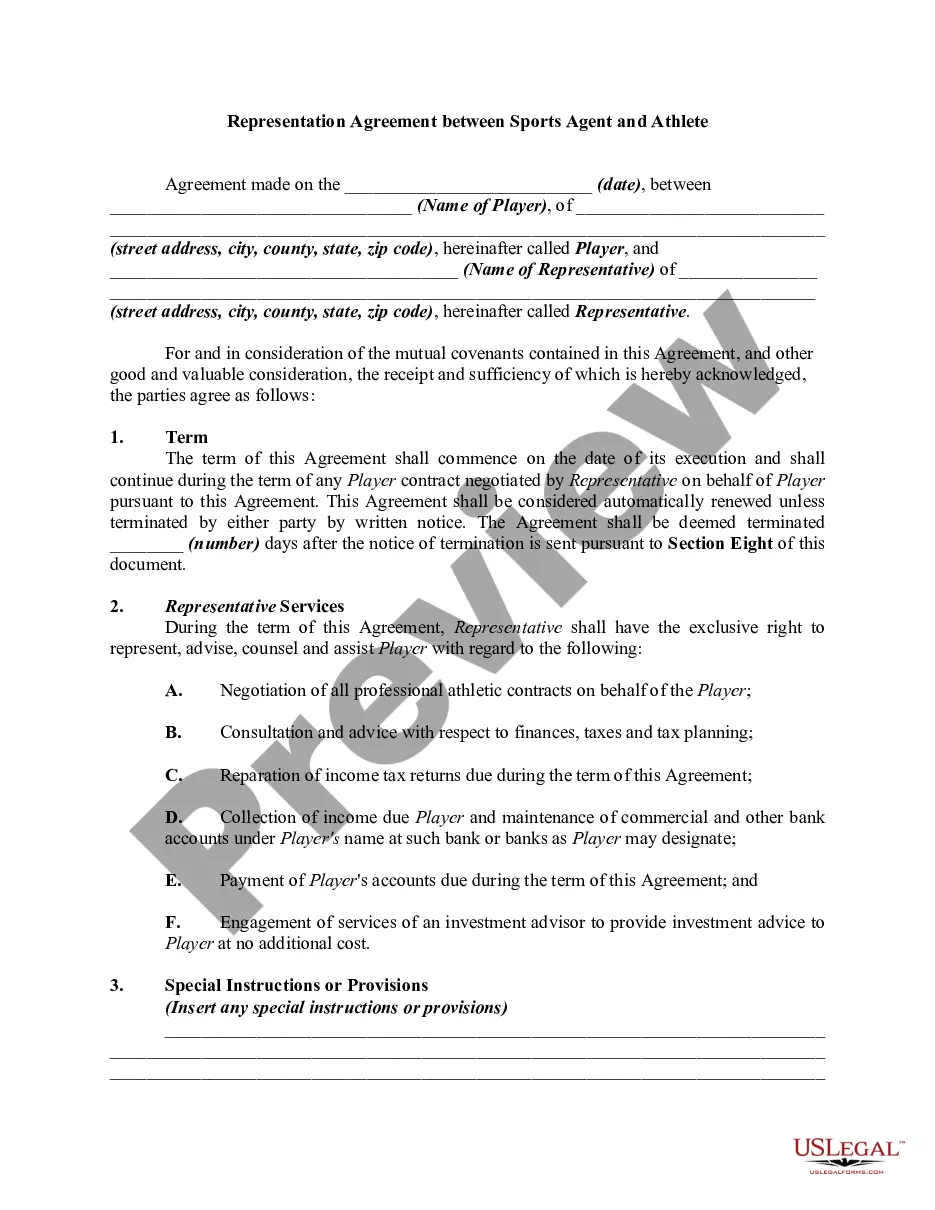
Get your form ready online
Our built-in tools help you complete, sign, share, and store your documents in one place.
Make edits, fill in missing information, and update formatting in US Legal Forms—just like you would in MS Word.
Download a copy, print it, send it by email, or mail it via USPS—whatever works best for your next step.
Sign and collect signatures with our SignNow integration. Send to multiple recipients, set reminders, and more. Go Premium to unlock E-Sign.
If this form requires notarization, complete it online through a secure video call—no need to meet a notary in person or wait for an appointment.
We protect your documents and personal data by following strict security and privacy standards.

Make edits, fill in missing information, and update formatting in US Legal Forms—just like you would in MS Word.

Download a copy, print it, send it by email, or mail it via USPS—whatever works best for your next step.

Sign and collect signatures with our SignNow integration. Send to multiple recipients, set reminders, and more. Go Premium to unlock E-Sign.

If this form requires notarization, complete it online through a secure video call—no need to meet a notary in person or wait for an appointment.

We protect your documents and personal data by following strict security and privacy standards.
Looking for another form?




Form popularity
FAQ
A good opening sentence is one that shows frankness or openness. One example is simply: Who am I? Or, what makes me unique? Since it's going to be your personal statement, it should open the readers up for just that. Having done so, hurry to lay the groundwork for your task.
Law School Personal Statement Topics to Avoid 1. General reference to historical or political events 2. Athlete stories 3. Generic study abroad story 4. High school events 5. Overly artsy, creative writing-type essays 6. Woe is me essay
What Not To Write In Your Law School Personal Statements Overused Quotes. Your first sentence has to hook your reader enough to urge them to continue reading. Focusing On Someone Else's Success. Vague Descriptions. Focusing Too Much On Your Anecdote. Humor.
How to Write a Personal Statement The New Yorker Magazine Joan Didion's essays Tina Fey's memoir, BossyPants When Breath Becomes Air, by Paul Kalinithi The historical travel writing of Sarah Vowell A Walk in the Woods by Bill Bryson Into Thin Air or Into the Wild by John Krakauer Zeitoun, by Dave Eggers
So tell the story no one else can tell. Start your personal statement with an attention-grabbing anecdote, a surprising fact, or an intriguing line of dialogue. That being said, write like you normally would—don't write in a style you haven't mastered.
You can refer to as many books as you like but make sure that they all have a purpose. For example, you might have read one book that really interests you to a particular part of the course you applied and you then read another to explore it further.
Remember that the conclusion of your statement may be the last thing a committee will read about you. A strong closing paragraph should reinforce your overall message and leave the readers with a clear impression of who you are as an applicant.
A personal statement can massively improve your chances of getting accepted to a top law school. And today, you get a real example from an applicant with a low GPA who got admitted to a T-10 law school.
You can refer to as many books as you like but make sure that they all have a purpose. For example, you might have read one book that really interests you to a particular part of the course you applied and you then read another to explore it further.
Therefore avoid phrases such as 'from an early age', 'I have a thirst for knowledge' and 'I've always been passionate about...' or bold sweeping statements like 'I was the best in my classes, 'I've always been good at...' or 'I've come so far'. Equally, do not quote famous philosophers or celebrities.
