Law Book Rules In Michigan
Description
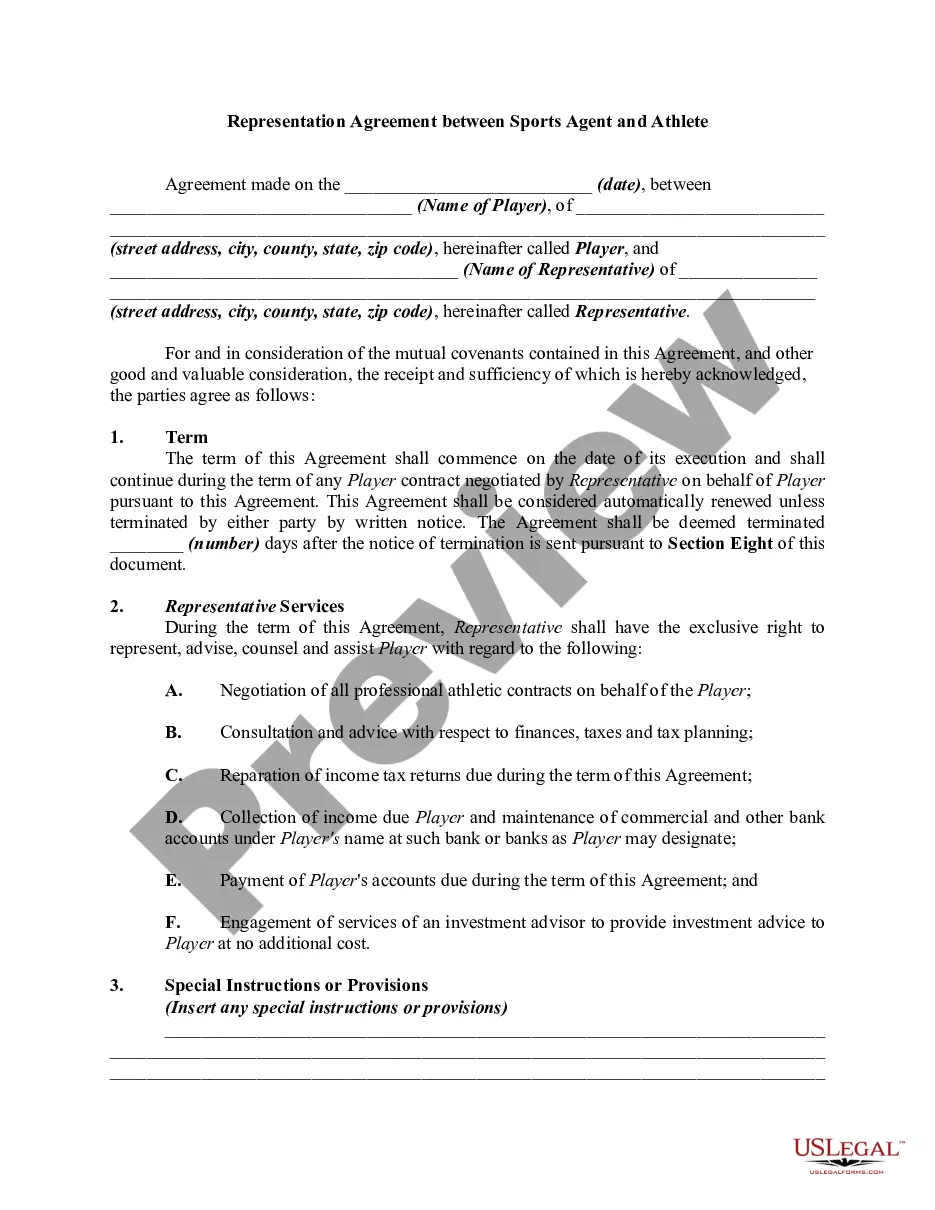
Get your form ready online
Our built-in tools help you complete, sign, share, and store your documents in one place.
Make edits, fill in missing information, and update formatting in US Legal Forms—just like you would in MS Word.
Download a copy, print it, send it by email, or mail it via USPS—whatever works best for your next step.
Sign and collect signatures with our SignNow integration. Send to multiple recipients, set reminders, and more. Go Premium to unlock E-Sign.
If this form requires notarization, complete it online through a secure video call—no need to meet a notary in person or wait for an appointment.
We protect your documents and personal data by following strict security and privacy standards.

Make edits, fill in missing information, and update formatting in US Legal Forms—just like you would in MS Word.

Download a copy, print it, send it by email, or mail it via USPS—whatever works best for your next step.

Sign and collect signatures with our SignNow integration. Send to multiple recipients, set reminders, and more. Go Premium to unlock E-Sign.

If this form requires notarization, complete it online through a secure video call—no need to meet a notary in person or wait for an appointment.

We protect your documents and personal data by following strict security and privacy standards.
Looking for another form?





Form popularity
FAQ
All people must be treated equally under the law. All branches of government are important and must follow the rule of law. Judges must never face threats or intimidation for rendering decisions.
Unlike the Michigan Articles of Incorporation, your corporate bylaws are internal documents that do not need to be filed with Michigan's Secretary of State. However, every Michigan corporation is required to have bylaws.
It demands that a judgment against a person be made in ance with the law. Magna Carta planted the seeds for the concept of due process as it developed first in England, and then in the United States. Due process means that everyone is entitled to a fair and impartial hearing to determine their legal rights.
Michigan Rules of Professional Conduct Rule 5.5 discusses the unauthorized practice of law and multi-jurisdictional practice. Rule 5.5 (a) provides that a lawyer may not practice law in violation of the regulations of the jurisdiction in which they intend to practice.
Law-in-books describes all written-down laws, regulations and written legal customs. Contrary to legal writing in law, treaties, statues and cases, law-in-action is a legal theory that examines the role of law how it is actually applied and practiced in society.
"In representing a client, a lawyer shall not communicate about the subject of the representation with a party whom the lawyer knows to be represented in the matter by another lawyer, unless the lawyer has the consent of the other lawyer or is authorized by law to do so."
Rule 15 Admission to the Bar Procedure for Admission; Oath of Office. (1) Each applicant to whom a certificate of qualification has been issued by the board of law examiners is required to appear personally and present such certificate to the Supreme Court or one of the circuit courts of this state.
University of Michigan--Ann Arbor 2024 Law & Specialties Rankings. University of Michigan--Ann Arbor is ranked No. 9 (tie) out of 196 in Best Law Schools. Schools were assessed on their performance across a set of widely accepted indicators of excellence.
The Law Library also welcomes others who need to conduct legal research, including University of Michigan faculty, staff and students, as well as attorneys, researchers and the public.
Under the State Constitution, every bill must be read three times before it may be passed. The courts have held, however, that this requirement can be satisfied by reading the bill's title. Upon introduction, the bill's title is read a first and second time in the Senate and is read once in the House.
