Law Books For Advocates In Maricopa
Description
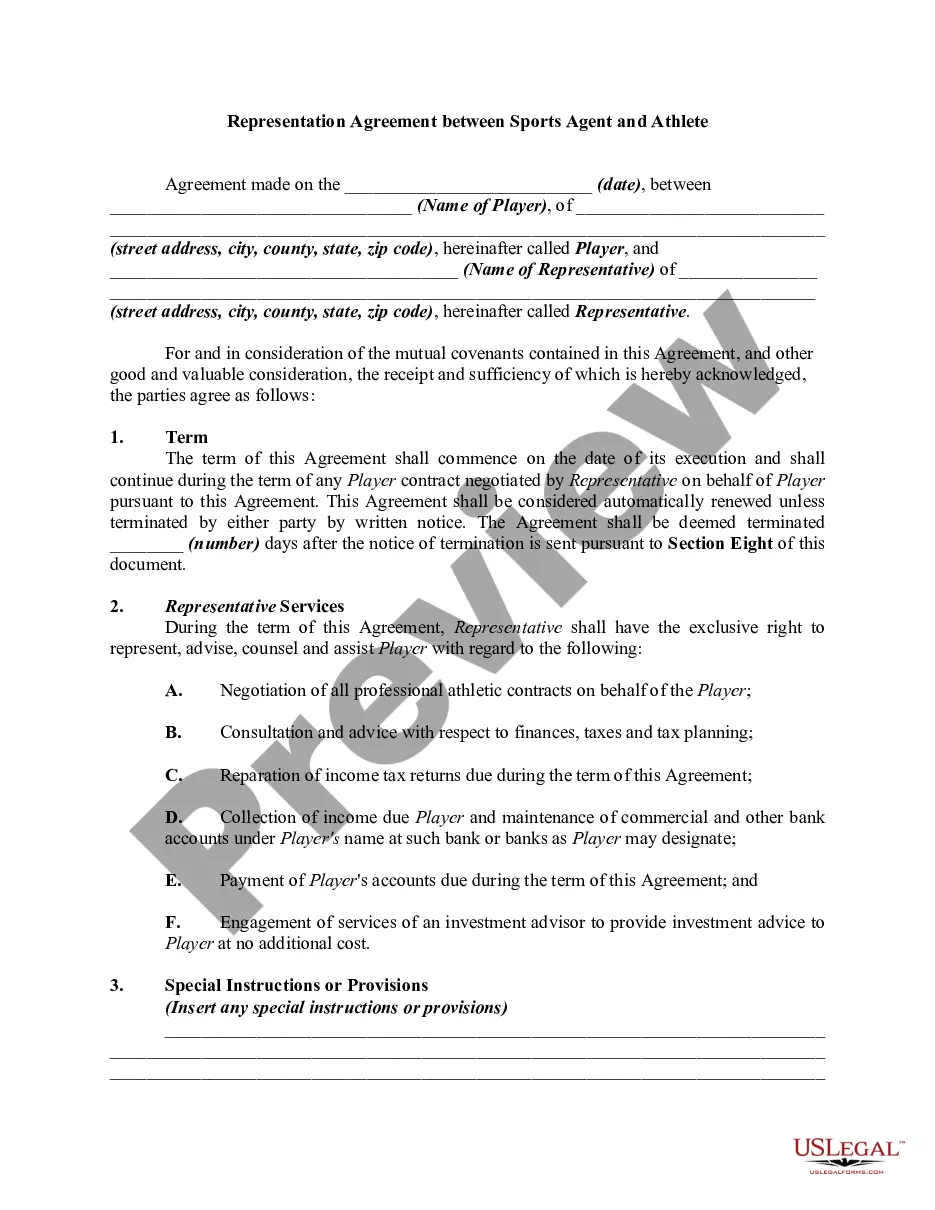
Get your form ready online
Our built-in tools help you complete, sign, share, and store your documents in one place.
Make edits, fill in missing information, and update formatting in US Legal Forms—just like you would in MS Word.
Download a copy, print it, send it by email, or mail it via USPS—whatever works best for your next step.
Sign and collect signatures with our SignNow integration. Send to multiple recipients, set reminders, and more. Go Premium to unlock E-Sign.
If this form requires notarization, complete it online through a secure video call—no need to meet a notary in person or wait for an appointment.
We protect your documents and personal data by following strict security and privacy standards.

Make edits, fill in missing information, and update formatting in US Legal Forms—just like you would in MS Word.

Download a copy, print it, send it by email, or mail it via USPS—whatever works best for your next step.

Sign and collect signatures with our SignNow integration. Send to multiple recipients, set reminders, and more. Go Premium to unlock E-Sign.

If this form requires notarization, complete it online through a secure video call—no need to meet a notary in person or wait for an appointment.

We protect your documents and personal data by following strict security and privacy standards.
Looking for another form?
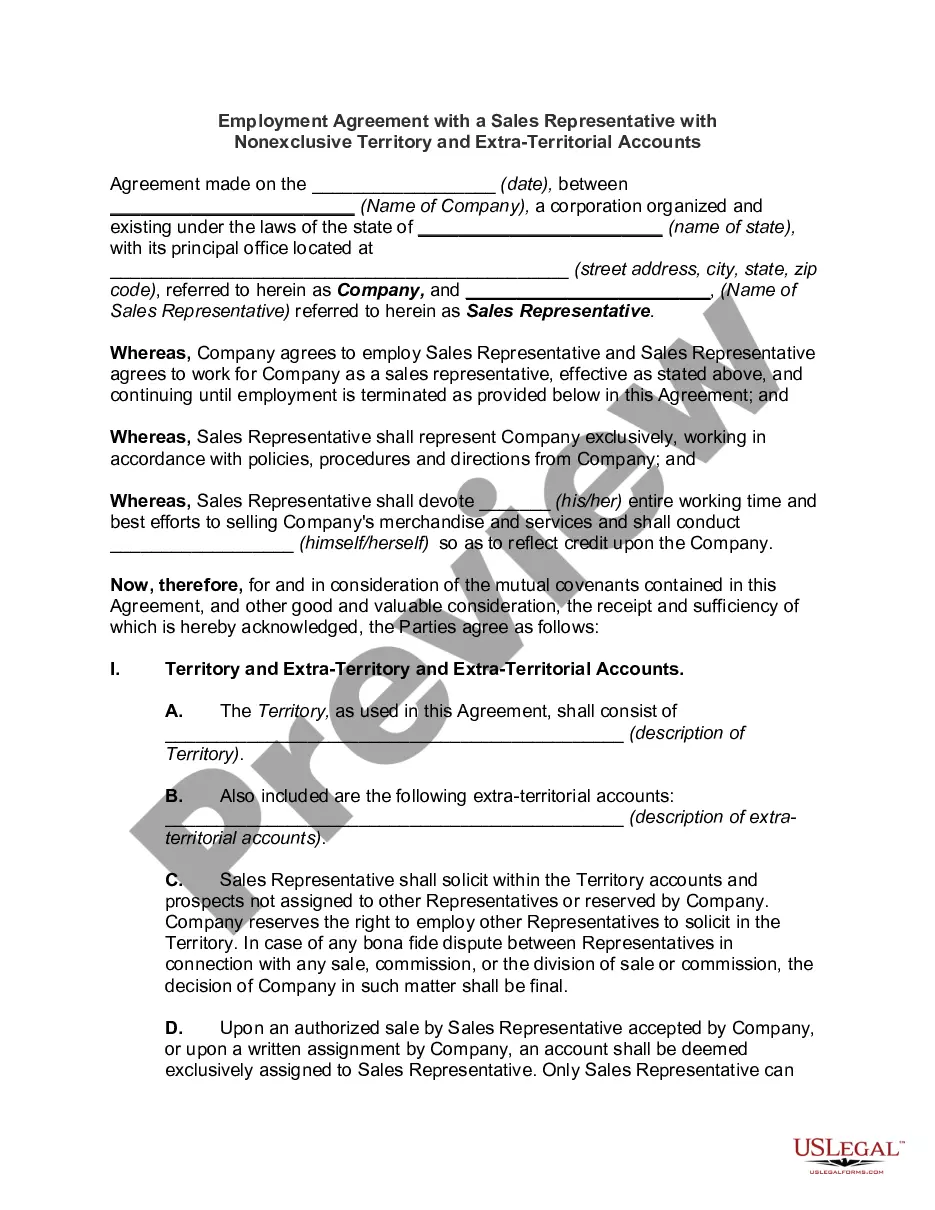
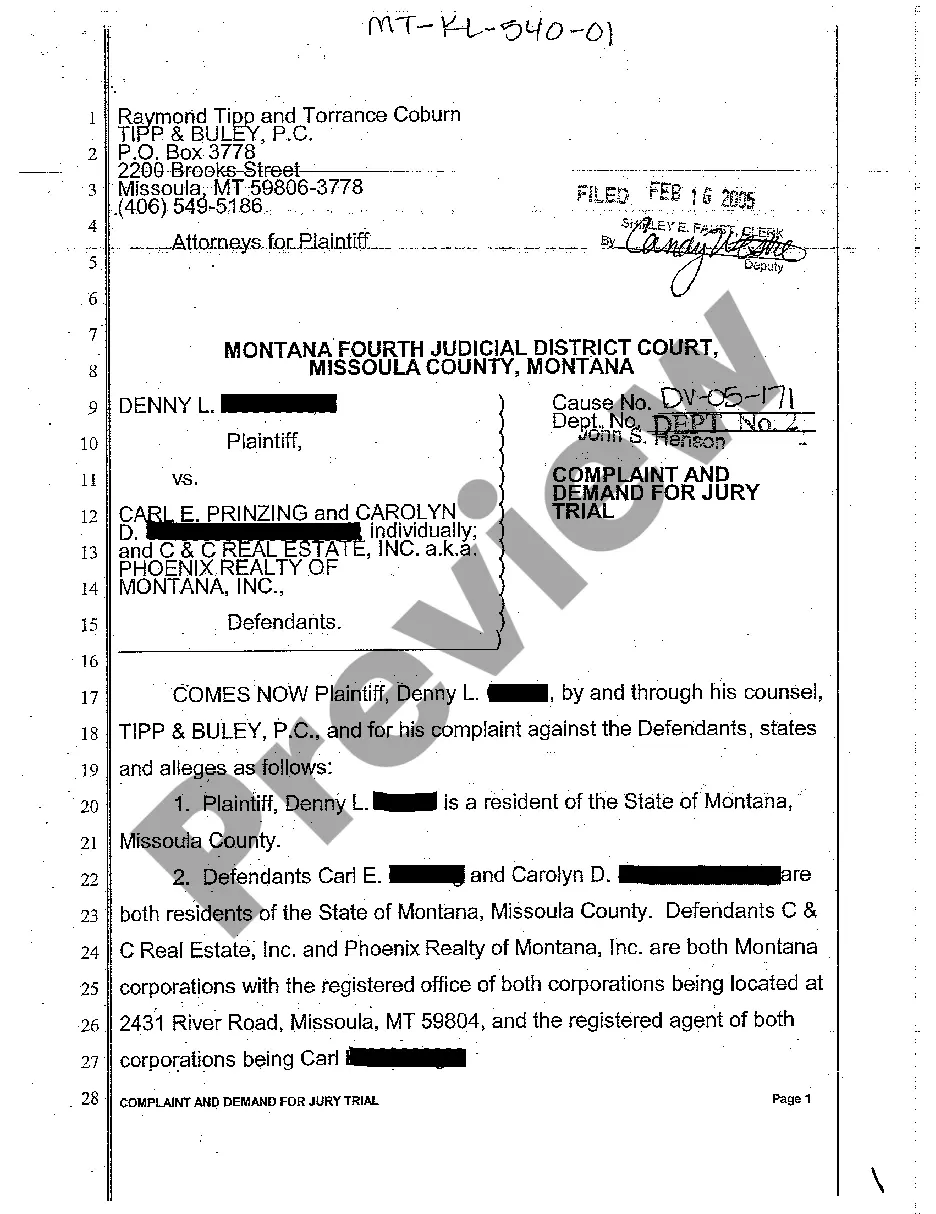
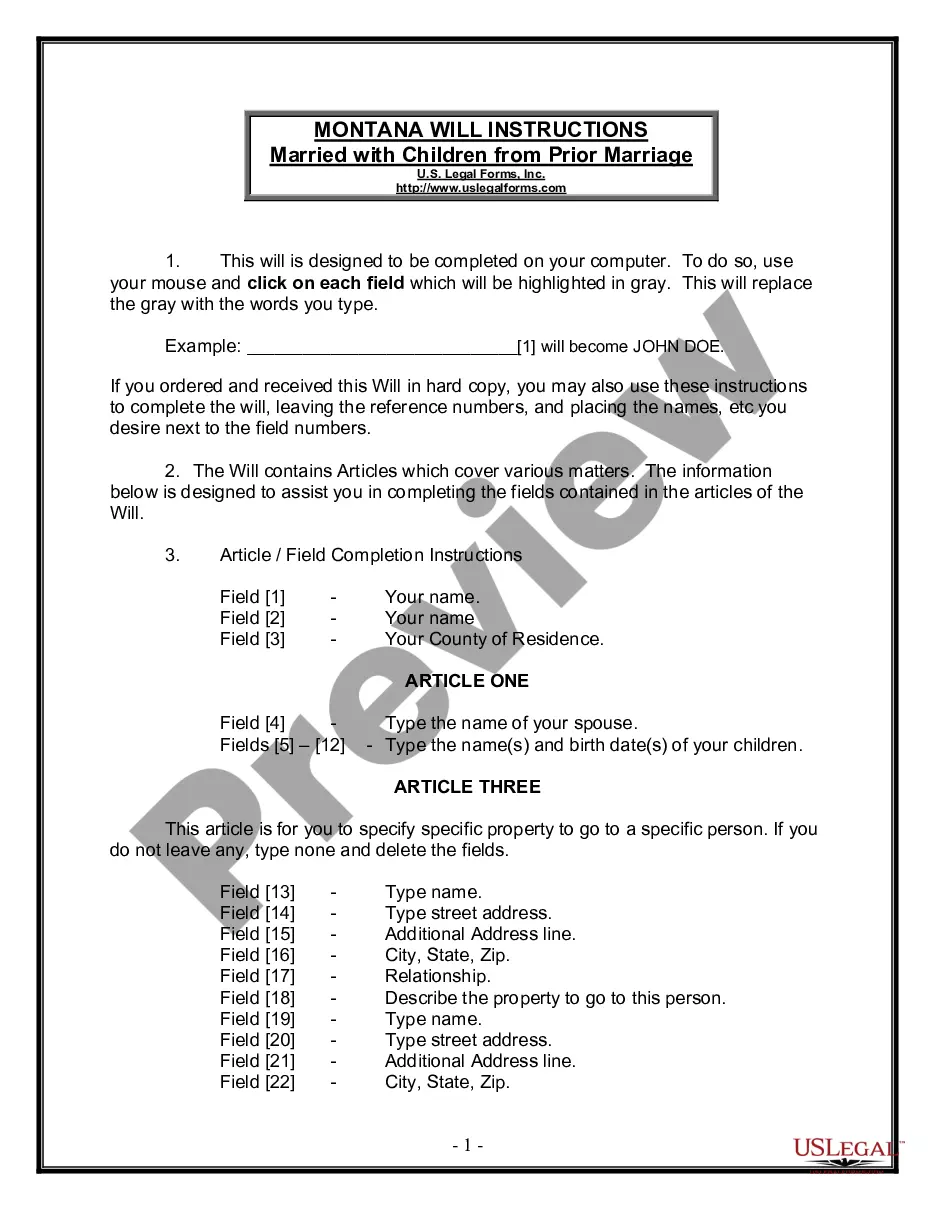

Form popularity
FAQ
To become a lawyer, the most common path is to pursue a Bachelor of Laws (LLB) degree after completing your undergraduate studies. The choice of undergraduate stream (arts, commerce, or science) typically depends on your interests and strengths.
CPC by Takwani CrPC by Kelkar Constitutional Law by VN Shukla Contract law by Mulla Law of Tort by Ratanlal Dhirajlal Family law by Poonam Pradham Saxena Property law by Poonam Pradhan Saxena
The Happy Lawyer: Making a Good Life in the Law The Lawyer, the Lion, & the Laundry: Three Hours of finding your Calm in the Chaos Mindset: The New Psychology of Success Storytelling for Lawyers Cross-examination Handbook: Persuasion, Strategies & Techniques
Before Memory Fades: An Autobiography by Fali S Nariman Tomorrow's Lawyers: An Introduction to Your Future by Richard Susskind To a Mockingbird by Harper Lee Nani Palkhivala: The Courtroom Genius by Soli J Sorabjee and Arvind P Datar Learning the Law by Glanville Williams
Although there is no specific major explicitly required for law school, most law students come from fields such as political science, history, English, or other related disciplines during their undergraduate years.
The defendant has 20 calendar days from service of process to file an answer (Form No. AOCLJCV4F) to the lawsuit. An answer is your written response that you file with the court admitting or denying the creditor's claims and the reasons why. The answer should respond to each element of the complaint.
The plaintiff files a document (complaint) with the clerk of the court stating the reasons why the plaintiff is suing the defendant, and what action the plaintiff wants the court to take. A copy of the complaint and a summons are delivered to (served on) the defendant.
A plaintiff representing herself may obtain and fill out a prepared Complaint form from the Clerk of the Court at the courthouse or online at each county court website or by visiting . The Complaint must be filed with the Clerk of the appropriate court.
Any claim that is not filed within 180 DAYS after the cause of action accrues is barred, and no action may be maintained thereon.
Claims Against the State of Arizona If you would like to file a claim against the State of Arizona, click here to obtain a Notice of Claim form. Notice of claim forms must be hand delivered or mailed to the Office of the Attorney General, 2005 N. Central Avenue, Phoenix, Arizona 85004.