Law Books For Personal Statement In King
Description
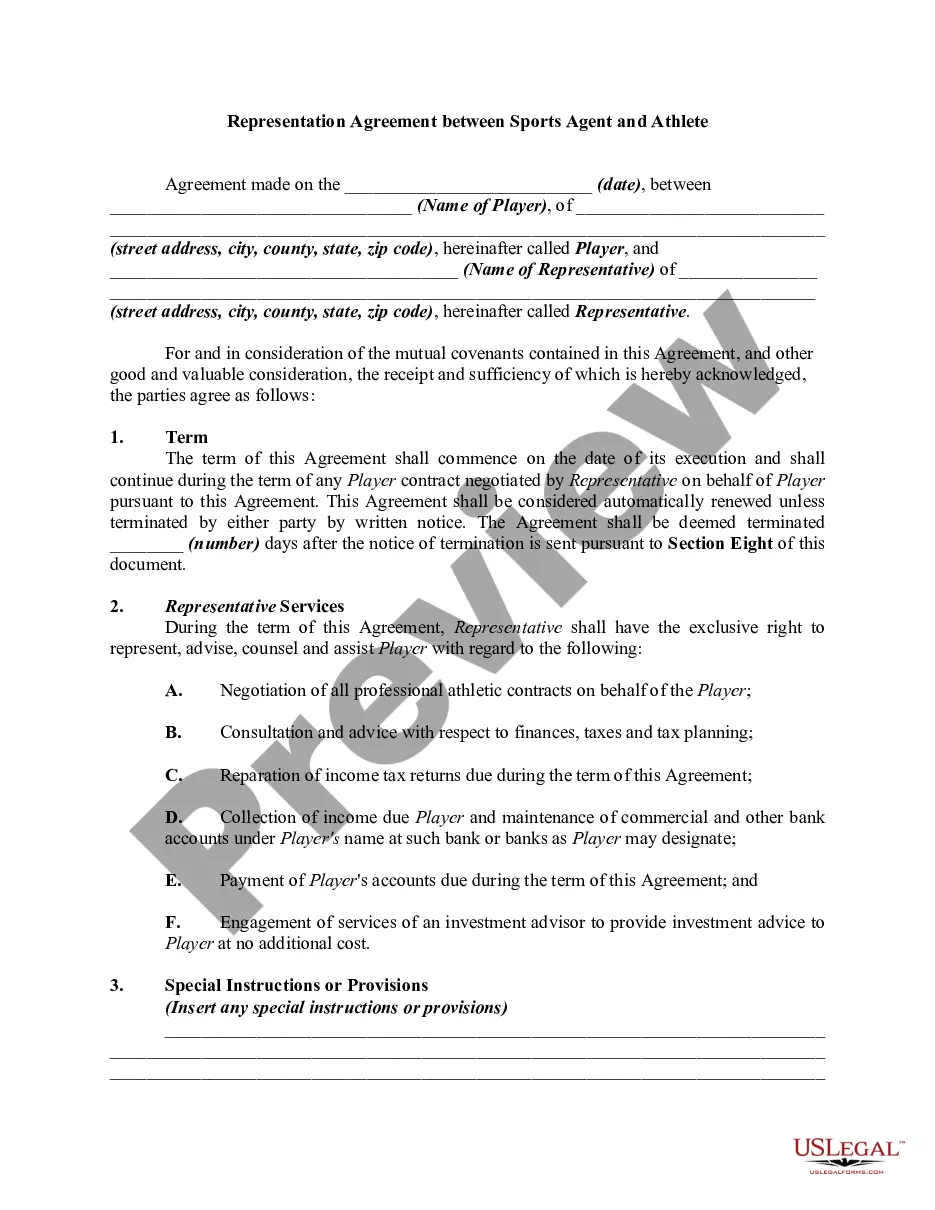
Get your form ready online
Our built-in tools help you complete, sign, share, and store your documents in one place.
Make edits, fill in missing information, and update formatting in US Legal Forms—just like you would in MS Word.
Download a copy, print it, send it by email, or mail it via USPS—whatever works best for your next step.
Sign and collect signatures with our SignNow integration. Send to multiple recipients, set reminders, and more. Go Premium to unlock E-Sign.
If this form requires notarization, complete it online through a secure video call—no need to meet a notary in person or wait for an appointment.
We protect your documents and personal data by following strict security and privacy standards.

Make edits, fill in missing information, and update formatting in US Legal Forms—just like you would in MS Word.

Download a copy, print it, send it by email, or mail it via USPS—whatever works best for your next step.

Sign and collect signatures with our SignNow integration. Send to multiple recipients, set reminders, and more. Go Premium to unlock E-Sign.

If this form requires notarization, complete it online through a secure video call—no need to meet a notary in person or wait for an appointment.

We protect your documents and personal data by following strict security and privacy standards.
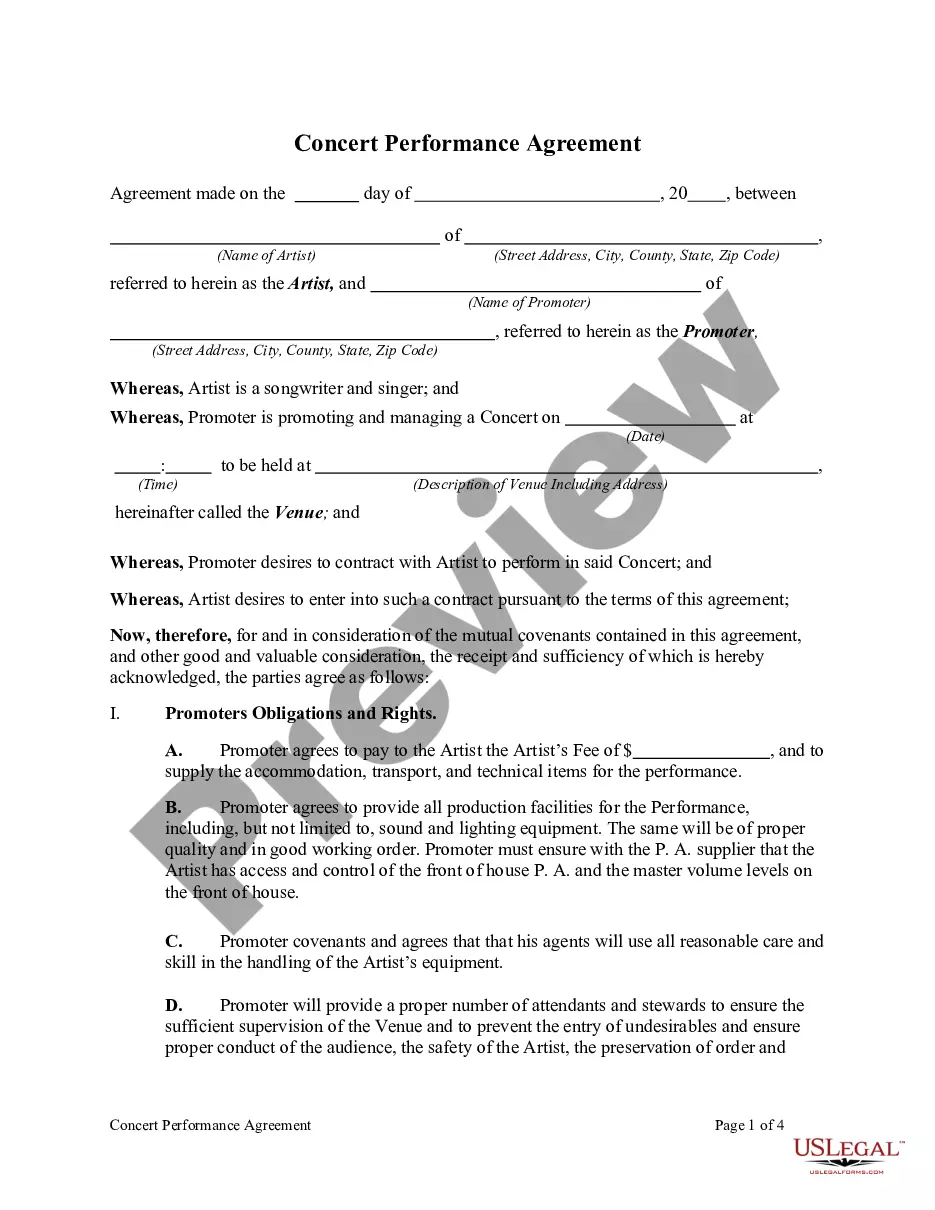
Looking for another form?







Form popularity
FAQ
You can refer to as many books as you like but make sure that they all have a purpose. For example, you might have read one book that really interests you to a particular part of the course you applied and you then read another to explore it further.
Law school applicants should plan to spend time brainstorming their topic, developing outlines, writing, proofreading, and revising their personal statements before submitting them. It can take law school applicants 2-4 weeks to write a good personal statement.
Here are some tips to consider when writing a personal statement: Be authentic, start strong, showcase your motivation, tell a story, connect your experiences to law, address any weaknesses, be concise, and lastly proofread your work.
How to Write a Personal Statement The New Yorker Magazine Joan Didion's essays Tina Fey's memoir, BossyPants When Breath Becomes Air, by Paul Kalinithi The historical travel writing of Sarah Vowell A Walk in the Woods by Bill Bryson Into Thin Air or Into the Wild by John Krakauer Zeitoun, by Dave Eggers
So tell the story no one else can tell. Start your personal statement with an attention-grabbing anecdote, a surprising fact, or an intriguing line of dialogue. That being said, write like you normally would—don't write in a style you haven't mastered.
Law School Personal Statement Topics to Avoid 1. General reference to historical or political events 2. Athlete stories 3. Generic study abroad story 4. High school events 5. Overly artsy, creative writing-type essays 6. Woe is me essay
A good opening sentence is one that shows frankness or openness. One example is simply: Who am I? Or, what makes me unique? Since it's going to be your personal statement, it should open the readers up for just that. Having done so, hurry to lay the groundwork for your task.
The personal statement is one of the many factors in the overall assessment of your application: it's your opportunity to introduce yourself to King's and tell us about your interest in your chosen subject, as well as any work experience or extracurricular activities you have done.
The personal statement is one of the many factors in the overall assessment of your application: it's your opportunity to introduce yourself to King's and tell us about your interest in your chosen subject, as well as any work experience or extracurricular activities you have done.
The basic format for an in-text citation is: Title of the Book (Author Last Name, year). One author: Where the Wild Things Are (Sendak, 1963) is a depiction of a child coping with his anger towards his mom.
