Law Books With Name In Illinois
Description
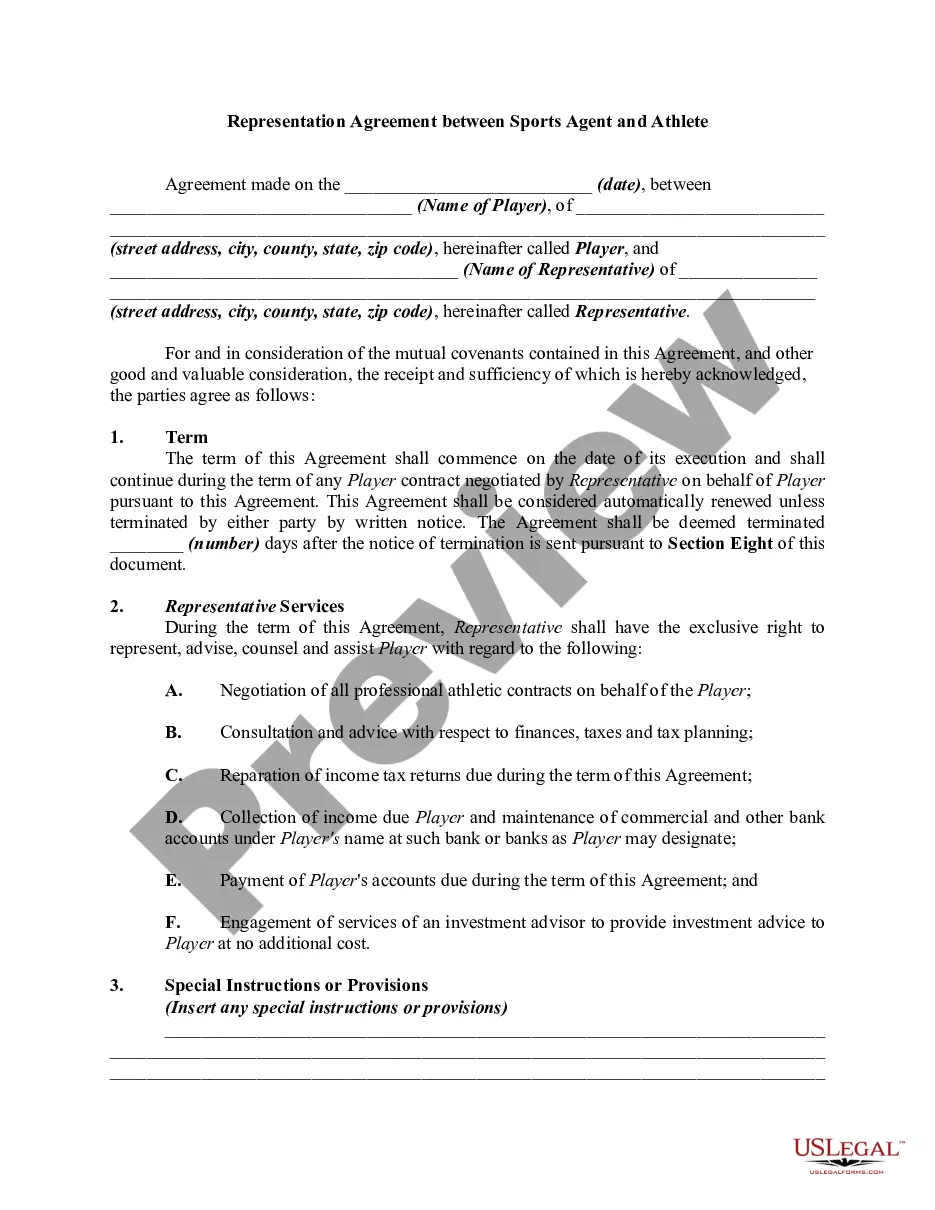
Get your form ready online
Our built-in tools help you complete, sign, share, and store your documents in one place.
Make edits, fill in missing information, and update formatting in US Legal Forms—just like you would in MS Word.
Download a copy, print it, send it by email, or mail it via USPS—whatever works best for your next step.
Sign and collect signatures with our SignNow integration. Send to multiple recipients, set reminders, and more. Go Premium to unlock E-Sign.
If this form requires notarization, complete it online through a secure video call—no need to meet a notary in person or wait for an appointment.
We protect your documents and personal data by following strict security and privacy standards.

Make edits, fill in missing information, and update formatting in US Legal Forms—just like you would in MS Word.

Download a copy, print it, send it by email, or mail it via USPS—whatever works best for your next step.

Sign and collect signatures with our SignNow integration. Send to multiple recipients, set reminders, and more. Go Premium to unlock E-Sign.

If this form requires notarization, complete it online through a secure video call—no need to meet a notary in person or wait for an appointment.

We protect your documents and personal data by following strict security and privacy standards.
Looking for another form?




Form popularity
FAQ
You start a lawsuit by filing a complaint. In some circumstances, you file a petition or a motion. The court has several complaint forms that you may use in drafting your complaint. The forms are available online and at the Pro Se Intake Unit.
If you want to file a motion, the process is generally something like this: You write your motion. You file your motion with the court clerk. The court clerk inserts the date and time your motion will be heard by the judge. You “serve” (mail) your motion to the other side.
Write your legal argument by stating the rule and explaining how your facts apply to it. Then, add your signature, a Certificate of Service, and a Notice of Hearing. File your motion with the clerk of court overseeing your case. Then, give copies to each defendant.
In some circumstances, you file a petition or a motion. The court has several complaint forms that you may use in drafting your complaint. The forms are available online and at the Pro Se Intake Unit. You may also write your own complaint without using a court form.
Form books are another excellent way to get started with the legal drafting process. These books range in both size and scope—they can be a single paperback volume that contains a few general legal forms or a large multi-volume set with a separate index volume.
If you see a potential for a motion to dismiss, this is an opportunity to inform the client how much legal expertise is necessary for such a filing. In other words, they will be facing a daunting challenge trying to represent themselves and will likely need an attorney more than ever.
Here are our top picks to read before law school. Is Eating People Wrong? ... My Own Words By Ruth Bader Ginsburg. IL Of A Ride: A Well-Traveled Professor's Roadmap to Success in the First Year of Law School By Andrew J. Getting To Maybe: How To Excel On Law School Exams By Richard Michael Fischl And Jeremy Paul.
The two major sets of Illinois legal encyclopedias are Illinois Jurisprudence (in print at KFI 1230.5 . L38 1992 and in Lexis) and Illinois Law and Practice (in print at KFI 1265 . I4 and in Westlaw).
Thanks for signing up! “Letters to a Law Student” by Nicholas McBride. “Bleak House” by Charles Dickens. “Learning the Law” by Glanville Williams. “To Kill a Mockingbird” by Harper Lee. “Jeremy Hutchinson's Case Histories” by Thomas Grant. “Winning Arguments” by Jay Heinrichs. “Lord Denning, A Life” by Iris Freeman.
If you are looking for a specific book, enter the title in the search box at the top of the homepage. If it is available in Westlaw, the title will appear as a suggestion (Looking for this?). Books on US law can be found by clicking Secondary Sources on the homepage.
