Handbook For Law In Illinois
Description
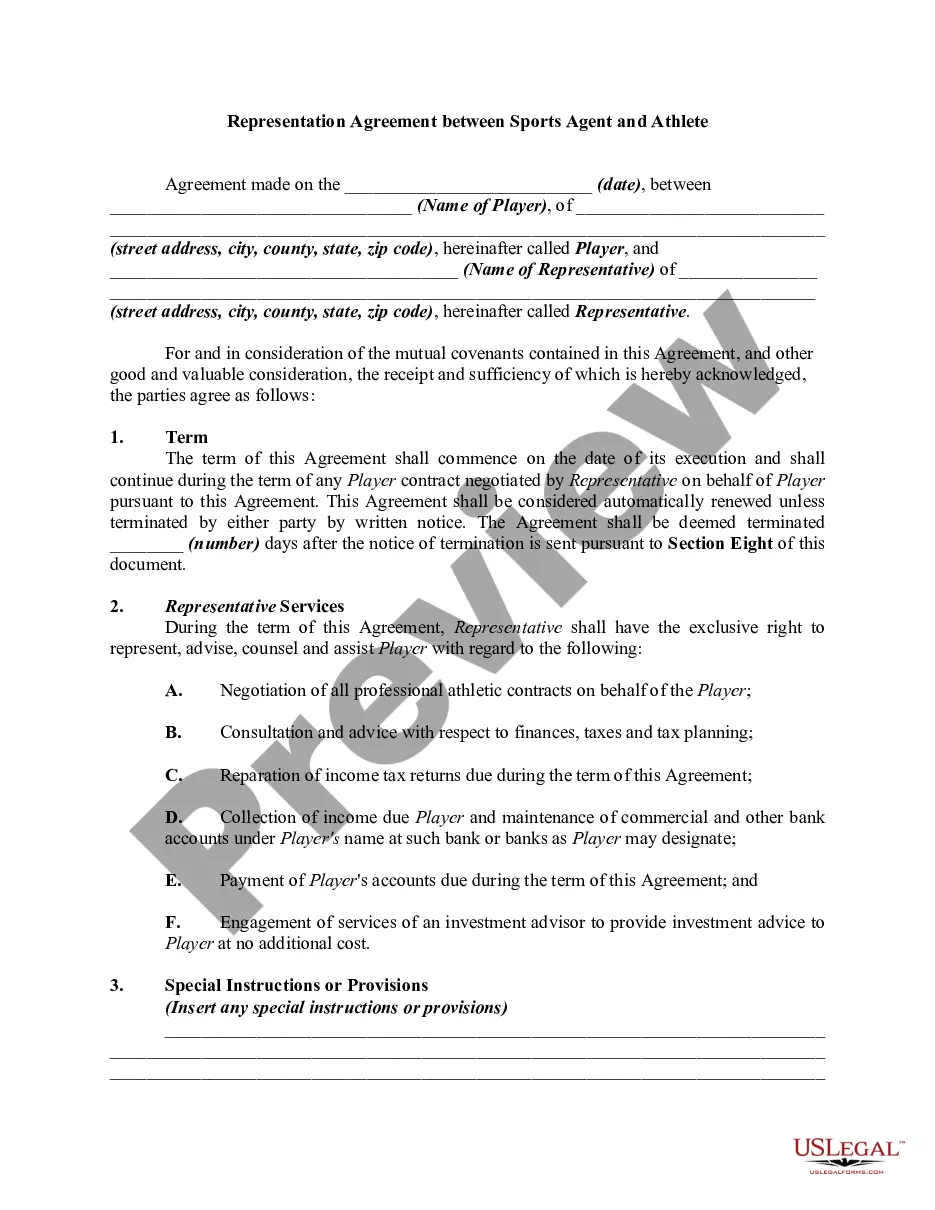
Get your form ready online
Our built-in tools help you complete, sign, share, and store your documents in one place.
Make edits, fill in missing information, and update formatting in US Legal Forms—just like you would in MS Word.
Download a copy, print it, send it by email, or mail it via USPS—whatever works best for your next step.
Sign and collect signatures with our SignNow integration. Send to multiple recipients, set reminders, and more. Go Premium to unlock E-Sign.
If this form requires notarization, complete it online through a secure video call—no need to meet a notary in person or wait for an appointment.
We protect your documents and personal data by following strict security and privacy standards.

Make edits, fill in missing information, and update formatting in US Legal Forms—just like you would in MS Word.

Download a copy, print it, send it by email, or mail it via USPS—whatever works best for your next step.

Sign and collect signatures with our SignNow integration. Send to multiple recipients, set reminders, and more. Go Premium to unlock E-Sign.

If this form requires notarization, complete it online through a secure video call—no need to meet a notary in person or wait for an appointment.

We protect your documents and personal data by following strict security and privacy standards.
Looking for another form?










Form popularity
FAQ
Templates are simply pre-made roadmaps that outline for you what your employee handbook should include. A template typically has sections such as organizational structure, performance management, compensation plans, benefits policy, safety protocols, and disciplinary procedure.
Below are some basic tips for writing an employee handbook: Use Straightforward Language. Keep your sentences short and to the point. Arrange Information Effectively. Proofread With a Professional. Opt for a Digital Copy. Information About the Company. Employment Essentials. Company Culture. Workplace Policies.
Certain policies are mandatory and must be included in your employee handbook. For example, California employers must have a written harassment, discrimination and retaliation prevention policy. Including these policies clarifies for employees their rights and obligations, and protects you from potential liability.
A handbook can provide details about FMLA eligibility criteria, the process for requesting leave, and benefits eligibility during leave. Dress code and appearance guidelines: An employer will want to clearly define what is acceptable attire based on an employee's position and job role.
How to write an employee handbook Include your company's mission statement. Write a brief section on company history. State any legal declarations. Explain your dress code. Include details about work hours. Define duties. Include department-specific policies. Describe company benefits.
Answer Cover page. Table of contents: It is important to include a table of contents so the reader knows where to look for pertinent information. Welcoming statement: This statement sets the tone for the entire handbook. Introduction to the handbook: What is the history behind the handbook?
Key Sections and Elements of the Employee Handbook The key overarching categories typically included in an employee handbook are: Company mission statement, values, and/or history. Company policies, standards, and guidelines. Career, compensation and benefits information.
In addition to graduating from an American Bar Association accredited law school, you must pass the Illinois Bar Examination, a rigid test of knowledge in all fields of law. And, you must undergo a thorough examination by the Committee on Character and Fitness to practice.
Rule 5.5(c)(2) provides that a lawyer admitted in another United States jurisdiction may provide legal services on a temporary basis in Illinois that are in or reasonably related to a pending or potential proceeding before a tribunal in this or another jurisdiction, if the lawyer, or a person the lawyer is assisting, ...
No, there is no ability to practice law without having a license. In a few cases, law students may do things in court, but they must be supervised by a licensed attorney who must be present.
