Law Handbook With Exercises 3rd Edition In Houston
Description
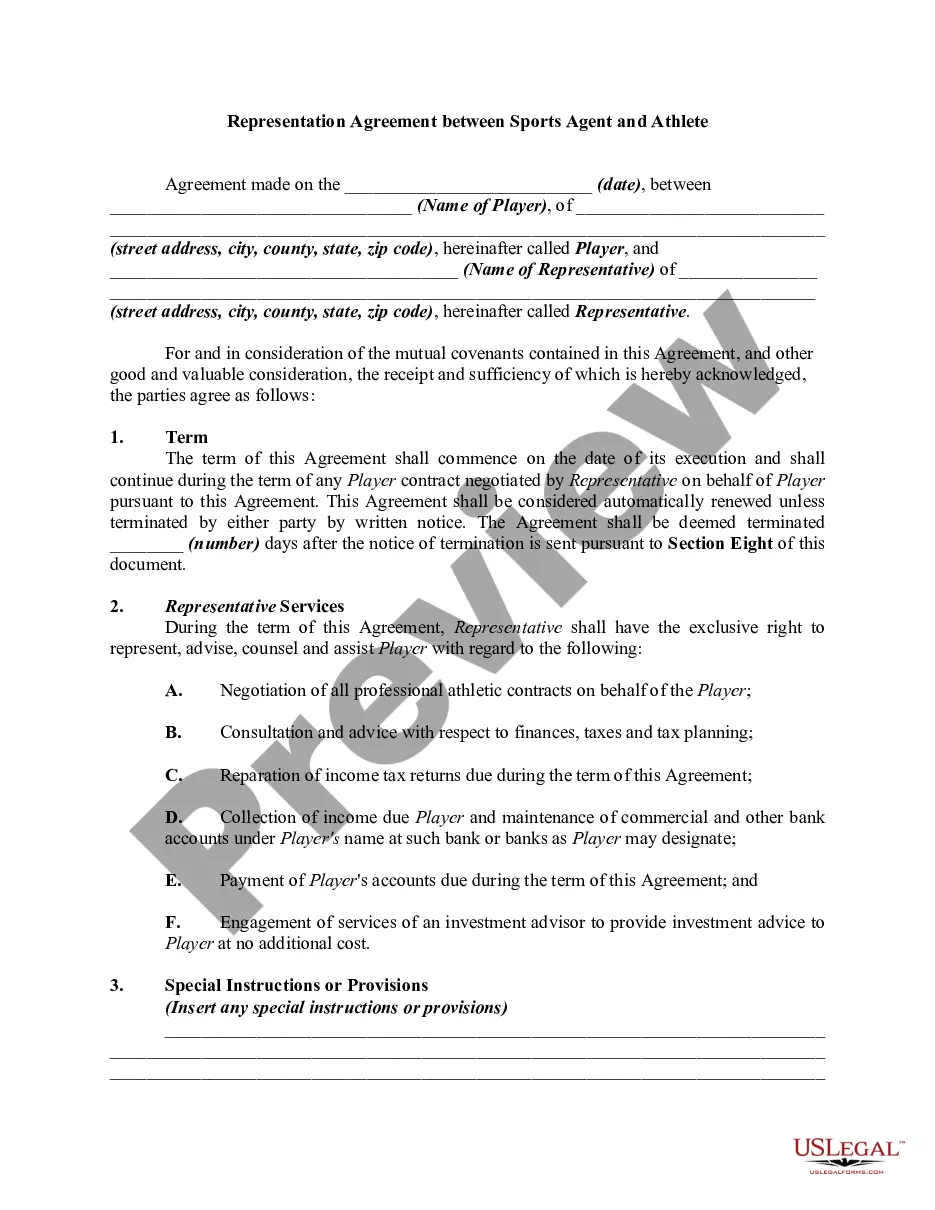
Get your form ready online
Our built-in tools help you complete, sign, share, and store your documents in one place.
Make edits, fill in missing information, and update formatting in US Legal Forms—just like you would in MS Word.
Download a copy, print it, send it by email, or mail it via USPS—whatever works best for your next step.
Sign and collect signatures with our SignNow integration. Send to multiple recipients, set reminders, and more. Go Premium to unlock E-Sign.
If this form requires notarization, complete it online through a secure video call—no need to meet a notary in person or wait for an appointment.
We protect your documents and personal data by following strict security and privacy standards.

Make edits, fill in missing information, and update formatting in US Legal Forms—just like you would in MS Word.

Download a copy, print it, send it by email, or mail it via USPS—whatever works best for your next step.

Sign and collect signatures with our SignNow integration. Send to multiple recipients, set reminders, and more. Go Premium to unlock E-Sign.

If this form requires notarization, complete it online through a secure video call—no need to meet a notary in person or wait for an appointment.

We protect your documents and personal data by following strict security and privacy standards.
Looking for another form?








Form popularity
FAQ
A practice book is a type of legal reference book that contains the procedures and rules for a specific court or category of courts. It typically includes court rules, forms, and practice directions.
Form books are another excellent way to get started with the legal drafting process. These books range in both size and scope—they can be a single paperback volume that contains a few general legal forms or a large multi-volume set with a separate index volume.
Legal Treatises, Hornbooks, and Nutshells: Legal treatises, hornbooks, and nutshells are secondary sources of law containing commentary and analysis of law written by legal scholars, and sometimes by the staff of legal publishers.
Practice book is a book dedicated to the procedures in a particular court or category of courts. It contains court rules, court forms, and practice directions. It also contains amendments to Superior Court Rules and the Rules of Appellate Procedure.
After graduating from a law school approved by the American Bar Association with a doctor of jurisprudence degree, candidates must then take the bar examination – a comprehensive test of knowledge in many areas of law. After passing this test, the person is licensed to practice law.
Organizational Structures. The structure of a legal practice varies significantly between law offices and law firms. Law firms usually have a complex organizational structure, including senior partners, associates, and support staff, while law offices, especially solo practices, have simpler setups.
