Law Book For Students In Houston
Description
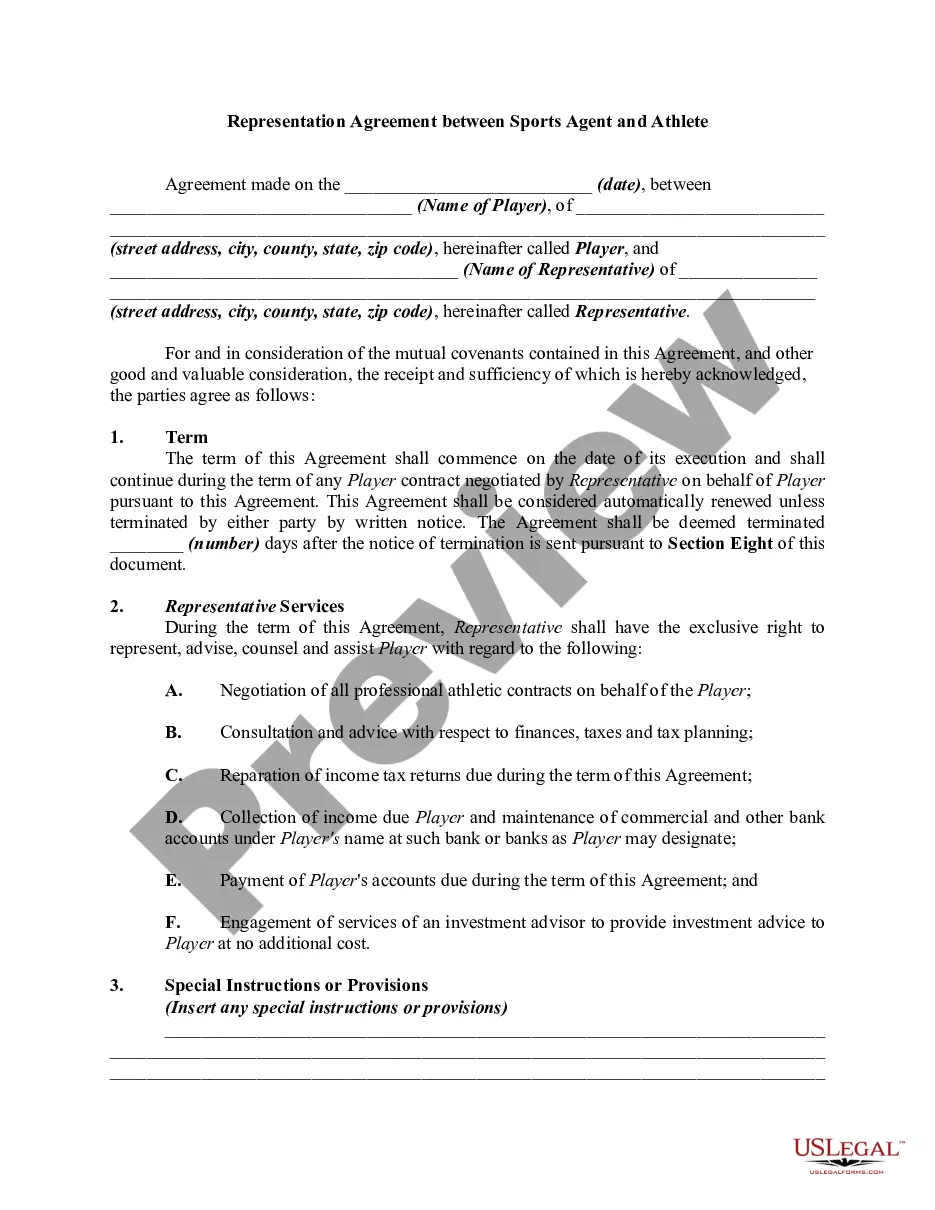
Get your form ready online
Our built-in tools help you complete, sign, share, and store your documents in one place.
Make edits, fill in missing information, and update formatting in US Legal Forms—just like you would in MS Word.
Download a copy, print it, send it by email, or mail it via USPS—whatever works best for your next step.
Sign and collect signatures with our SignNow integration. Send to multiple recipients, set reminders, and more. Go Premium to unlock E-Sign.
If this form requires notarization, complete it online through a secure video call—no need to meet a notary in person or wait for an appointment.
We protect your documents and personal data by following strict security and privacy standards.

Make edits, fill in missing information, and update formatting in US Legal Forms—just like you would in MS Word.

Download a copy, print it, send it by email, or mail it via USPS—whatever works best for your next step.

Sign and collect signatures with our SignNow integration. Send to multiple recipients, set reminders, and more. Go Premium to unlock E-Sign.

If this form requires notarization, complete it online through a secure video call—no need to meet a notary in person or wait for an appointment.

We protect your documents and personal data by following strict security and privacy standards.
Looking for another form?









Form popularity
FAQ
Whether they call it IRAC (Issue, Rule, Application, Conclusion), CRAC (Conclusion, Rule, Application, Conclusion), or CREAC (Conclusion, Rule, Explanation, Application, Conclusion), all lawyers write in the same way: by laying out the issue to be discussed, the legal rule relevant to the issue, the analysis of the ...
Times New Roman or similar, 12 pt font. Double spaced lines. One inch margins all around. Footnotes in academic Bluebook style (use the rules on the main white pages instead of the light blue pages at the front of the Bluebook).
Many law schools teach IRAC (Issue, Rule of law, Analysis, and Conclusion) as the format for memoranda. (The acronym is not only wrong, it's also confusing because some schools teach the C in IRAC as Cases.) However, IRAC makes the reader wait until the end of the paper to learn the all-important conclusion.
The most frequent publishers of student work are law reviews and journals. Submission requirements vary considerably, but there are a variety of resources that can assist you to allow the best possible opportunity for publication.
This is commonly referred to as “IRAC.” Simply stated, IRAC stands for “issue, rule, application, conclusion.” (Another form of this structure includes “CIRAC,” or “conclusion, issue, rule, application, conclusion.”) IRAC will follow you throughout your entire law school career.
It is unethical, but more importantly illegal, to offer legal advice or assistance, representation, document drafting, or in any way appear to be giving a legal opinion to a person or entity unless you are licensed to practice in that jurisdiction. If someone were to rely on your advice, you could cause grievous harm.
The Bluebook, formally titled The Bluebook: A Uniform System of Citation, is the style manual for citing to legal documents within the United States. You should use the Bluebook for all your citations in your legal paper. The white page section contain the citation rules for legal academic publications.
Here are our top picks to read before law school. Is Eating People Wrong? ... My Own Words By Ruth Bader Ginsburg. IL Of A Ride: A Well-Traveled Professor's Roadmap to Success in the First Year of Law School By Andrew J. Getting To Maybe: How To Excel On Law School Exams By Richard Michael Fischl And Jeremy Paul.
A law book is a collection of many books that talk about laws. These books can include things like rules, reports of cases, summaries of laws, and even dictionaries. They help people understand what the laws are and how they work.
If you are looking for a specific book, enter the title in the search box at the top of the homepage. If it is available in Westlaw, the title will appear as a suggestion (Looking for this?). Books on US law can be found by clicking Secondary Sources on the homepage.
