Law Books For Beginners Philippines In Florida
Description
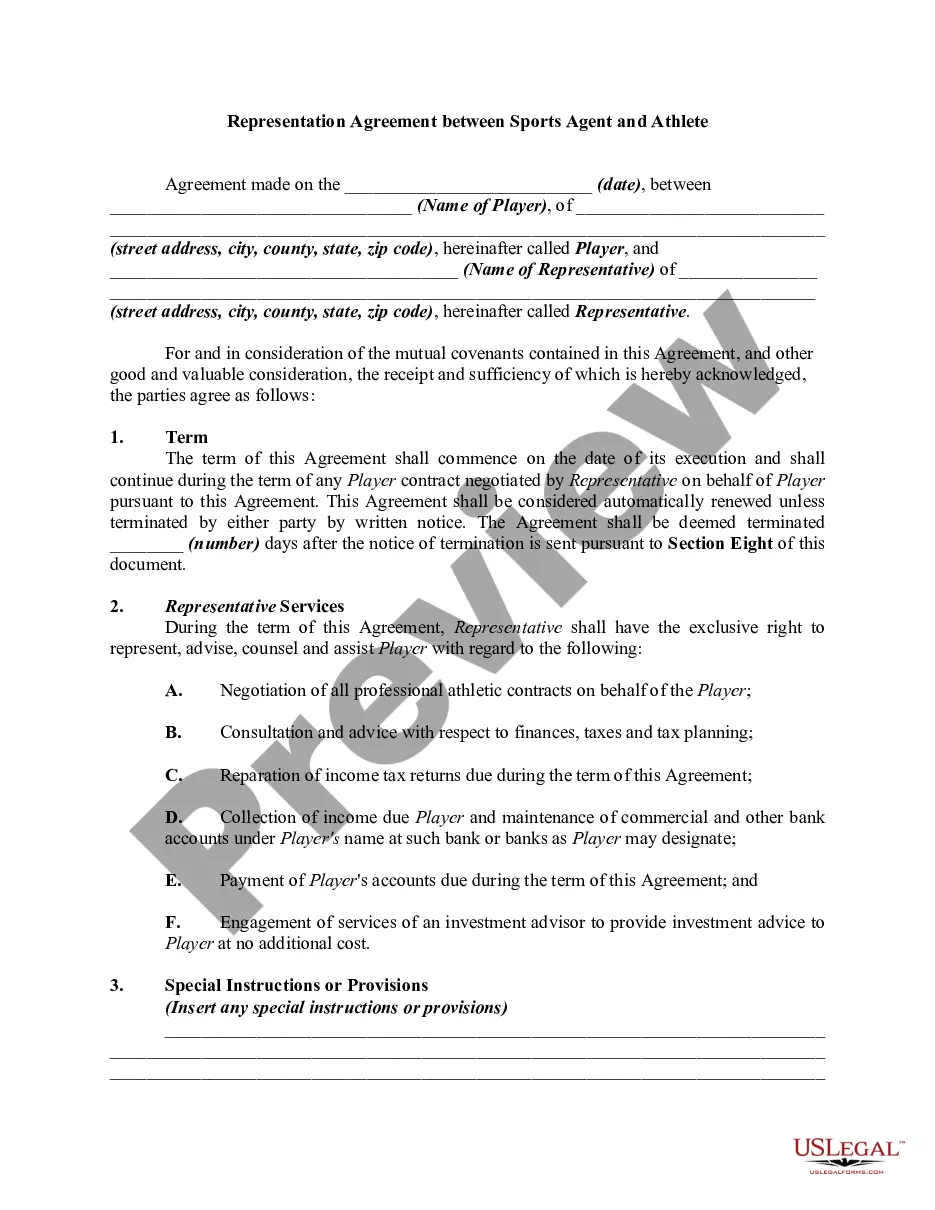
Get your form ready online
Our built-in tools help you complete, sign, share, and store your documents in one place.
Make edits, fill in missing information, and update formatting in US Legal Forms—just like you would in MS Word.
Download a copy, print it, send it by email, or mail it via USPS—whatever works best for your next step.
Sign and collect signatures with our SignNow integration. Send to multiple recipients, set reminders, and more. Go Premium to unlock E-Sign.
If this form requires notarization, complete it online through a secure video call—no need to meet a notary in person or wait for an appointment.
We protect your documents and personal data by following strict security and privacy standards.

Make edits, fill in missing information, and update formatting in US Legal Forms—just like you would in MS Word.

Download a copy, print it, send it by email, or mail it via USPS—whatever works best for your next step.

Sign and collect signatures with our SignNow integration. Send to multiple recipients, set reminders, and more. Go Premium to unlock E-Sign.

If this form requires notarization, complete it online through a secure video call—no need to meet a notary in person or wait for an appointment.

We protect your documents and personal data by following strict security and privacy standards.
Looking for another form?
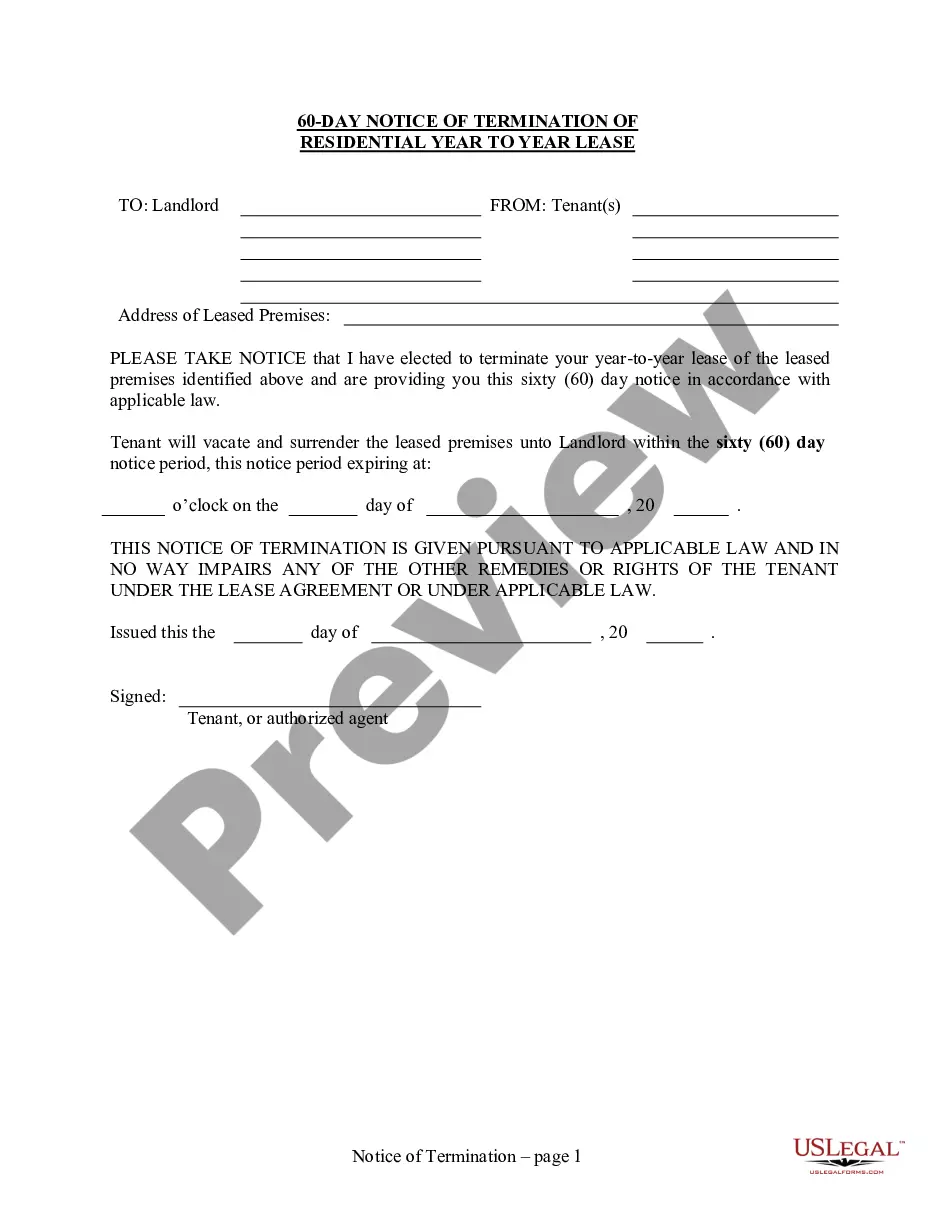









Form popularity
FAQ
Notable laws DesignationDate passedResult RA 7160 October 10, 1991 Local Government Code of 1991 RA 8293 June 6, 1997 The Intellectual Property Code of the Philippines (the copyright law). RA 8353 September 30, 1997 The Anti-Rape Act of 1997 RA 8485 February 11, 1998 The Animal Welfare Act of 199836 more rows
In the Philippines, common-law partnerships, also referred to as cohabitation or live-in relationships, are not legally recognized in the same way as formal marriages. However, the law does provide certain rights and protections for couples in such relationships, especially concerning property and children.
The most practical starting textbook is ``laying down the law'' (lexis) - gives an overview of the basics of law, how statutes and the common law work etc.
Step-by-Step Process Get a Bachelor's Degree. Pass the Law School Entrance Exam. Finish Law School. Law Internship. Pass the Bar Exam and take your Oath.
The main sources of Philippine law are: the Constitution – the fundamental and supreme law of the land. Statutes – including Acts of Congress, municipal charters, municipal legislation, court rules, administrative rules and orders, legislative rules and presidential issuances.
The legal system in the Philippines is based on a combination of civil law and common law traditions. It draws heavily from Spanish civil law due to its colonial history, and has also been influenced by American common law during the period of U.S. Colonization.
List of ``frequently-prescribed'' books for 1L: Consti- Cruz, Bernas, Nachura; PFR- Tolentino, Paras, Sta. Maria, Legarda, Rabuya, Sempio-Diy; Criminal Law- Reyes; Legal Profession- Agpalo (note: a lot of professors also suggest or prescribe several books for different topics)
What are the 4 rules of law? The four rules of law are accountability, open government, just law, and accessible and impartial justice. These ensure that government officials are not above the law, that decisions are transparent, that laws are fairly designed, and that the law is impartially enforced.
