Law Book For Students In Cook
Description
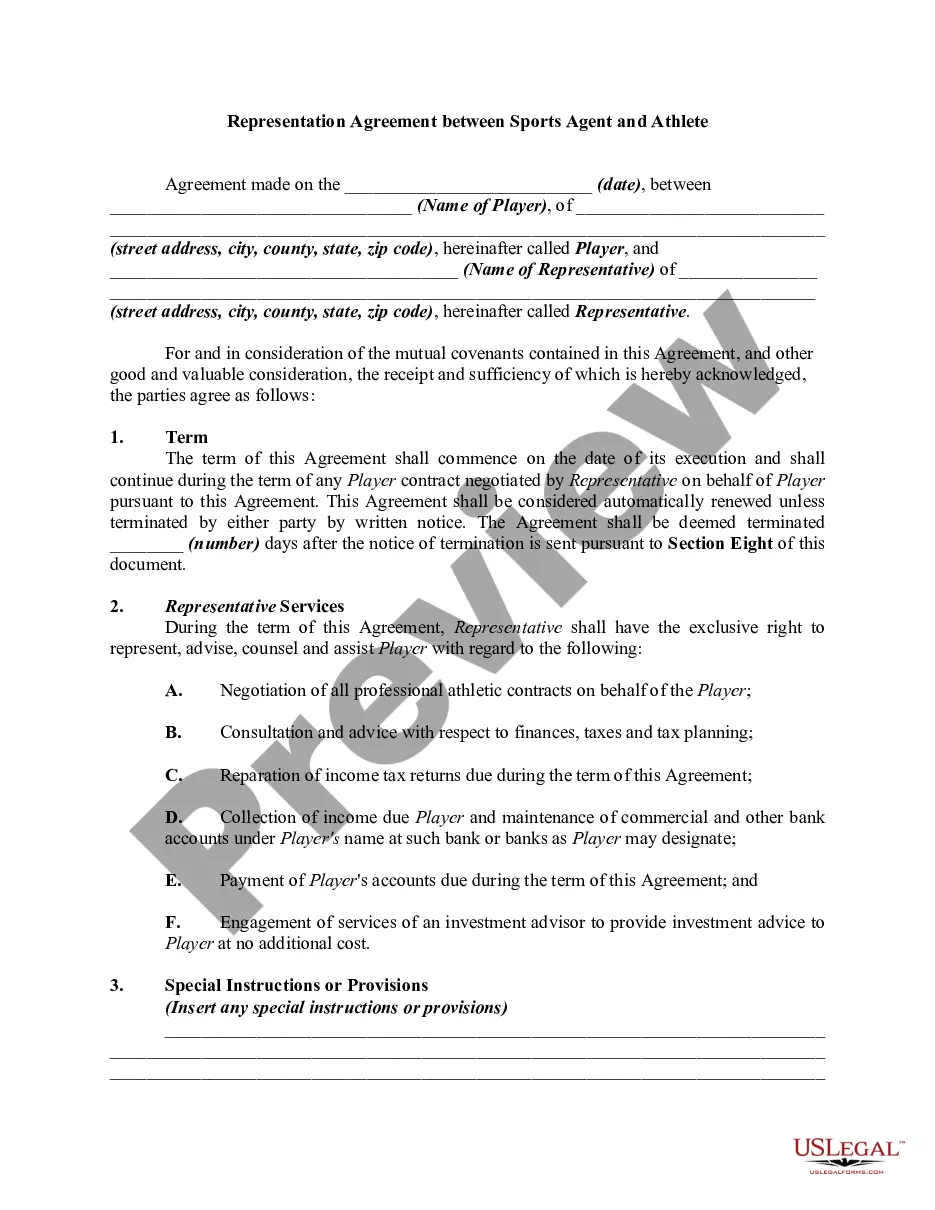
Get your form ready online
Our built-in tools help you complete, sign, share, and store your documents in one place.
Make edits, fill in missing information, and update formatting in US Legal Forms—just like you would in MS Word.
Download a copy, print it, send it by email, or mail it via USPS—whatever works best for your next step.
Sign and collect signatures with our SignNow integration. Send to multiple recipients, set reminders, and more. Go Premium to unlock E-Sign.
If this form requires notarization, complete it online through a secure video call—no need to meet a notary in person or wait for an appointment.
We protect your documents and personal data by following strict security and privacy standards.

Make edits, fill in missing information, and update formatting in US Legal Forms—just like you would in MS Word.

Download a copy, print it, send it by email, or mail it via USPS—whatever works best for your next step.

Sign and collect signatures with our SignNow integration. Send to multiple recipients, set reminders, and more. Go Premium to unlock E-Sign.

If this form requires notarization, complete it online through a secure video call—no need to meet a notary in person or wait for an appointment.

We protect your documents and personal data by following strict security and privacy standards.
Looking for another form?
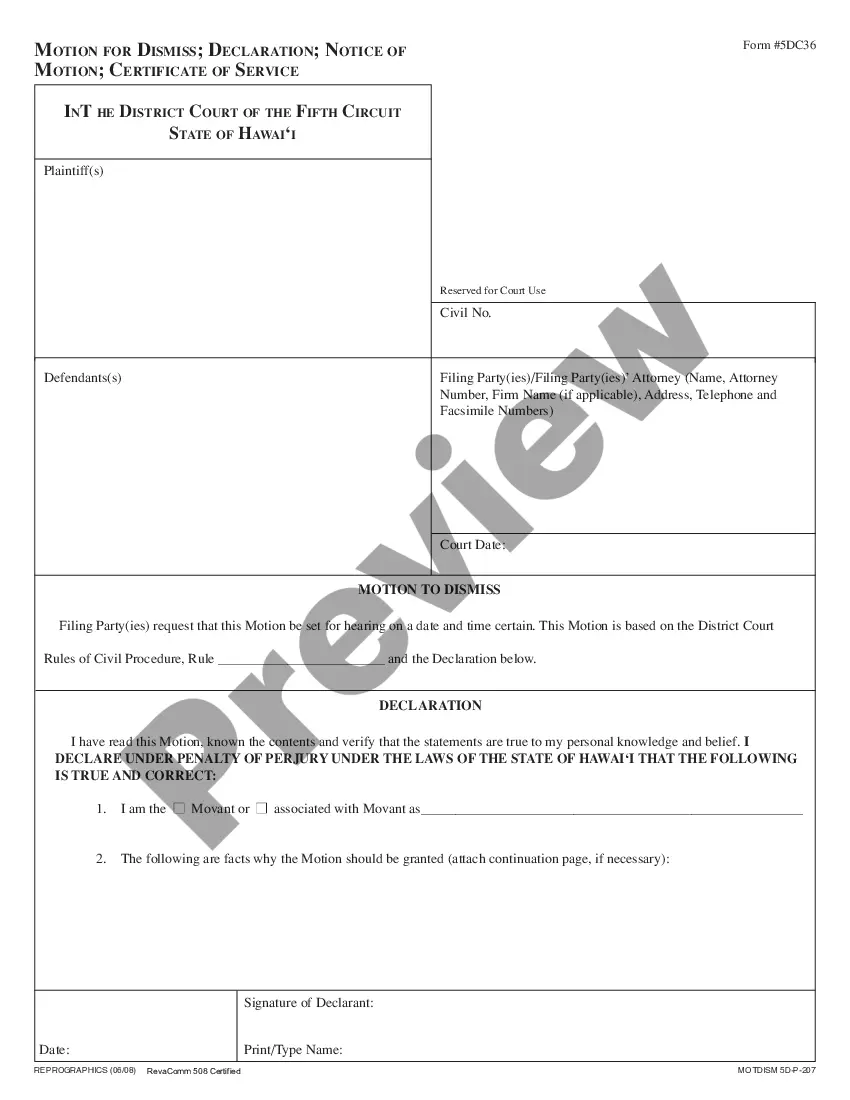



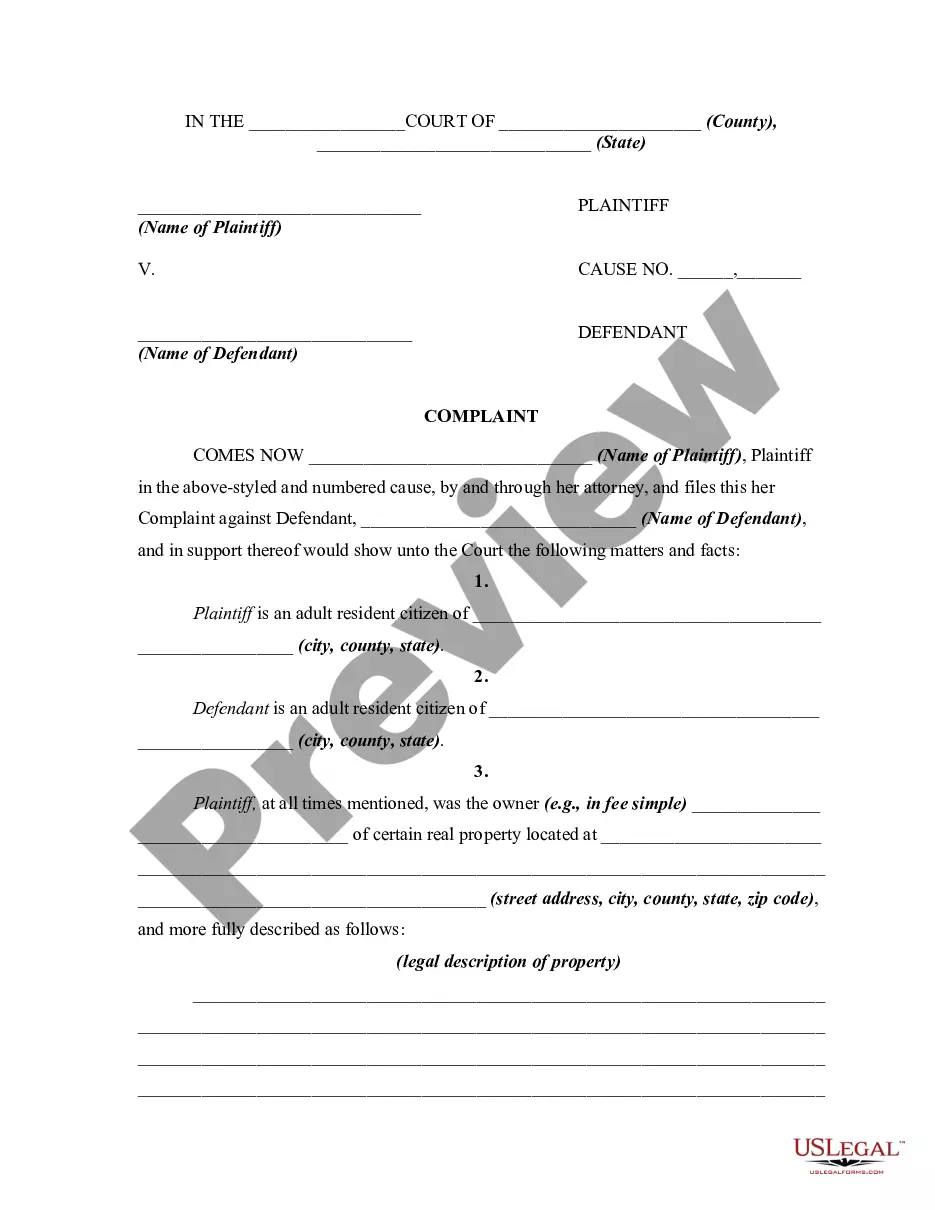

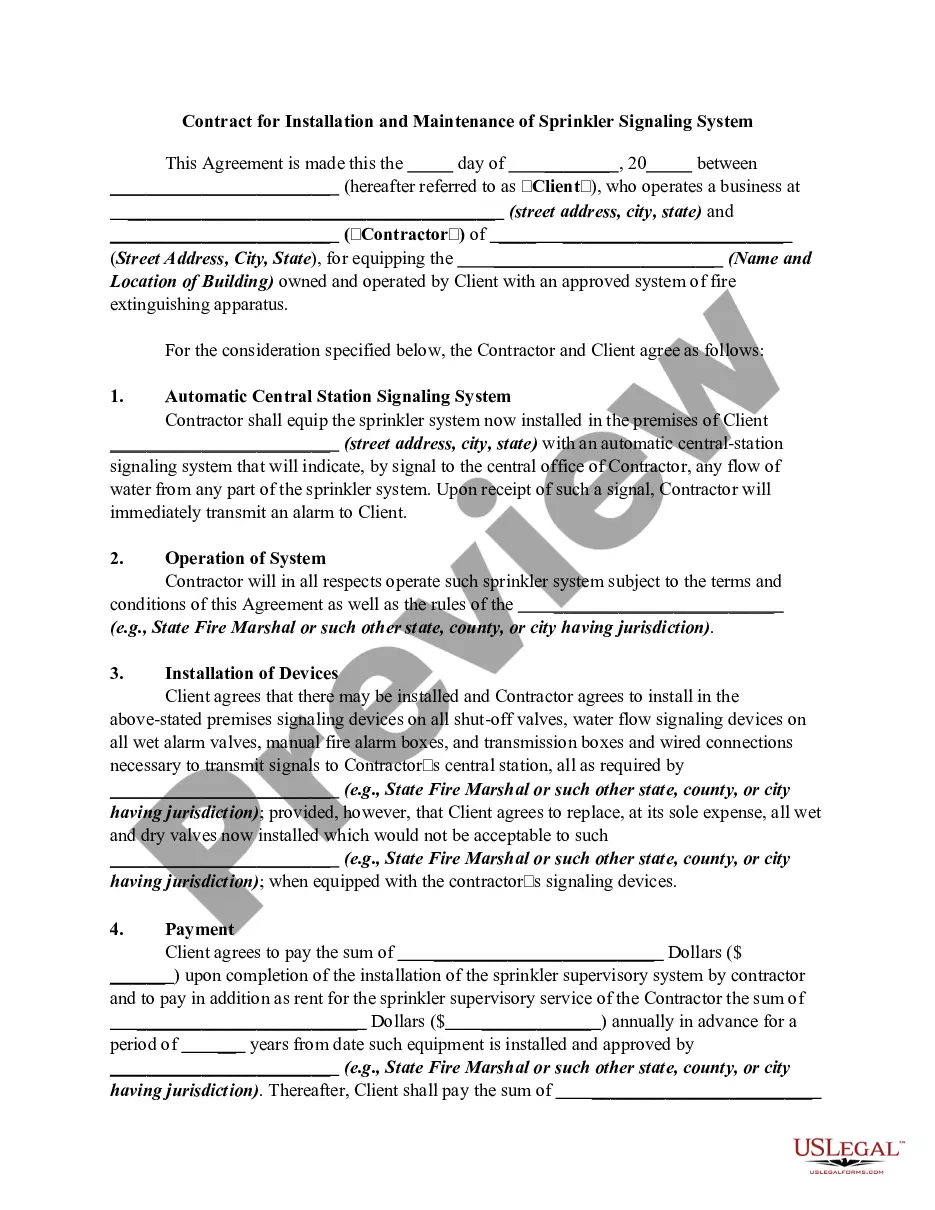



Form popularity
FAQ
1. CPC by Takwani 2. CrPC by Kelkar 3. Constitutional Law by VN Shukla 4. Contract law by Mulla 5. Law of Tort by Ratanlal Dhirajlal 6. Family law by Poonam Pradham Saxena 7. Property law by Poonam Pradhan Saxena
Cookbook, collection of recipes, instructions, and information about the preparation and serving of foods. At its best, a cookbook is also a chronicle and treasury of the fine art of cooking, an art whose masterpieces—created only to be consumed—would otherwise be lost.
Thanks for signing up! “Letters to a Law Student” by Nicholas McBride. “Bleak House” by Charles Dickens. “Learning the Law” by Glanville Williams. “To Kill a Mockingbird” by Harper Lee. “Jeremy Hutchinson's Case Histories” by Thomas Grant. “Winning Arguments” by Jay Heinrichs. “Lord Denning, A Life” by Iris Freeman.
``The Common Law'' by Oliver Wendell Holmes Jr. - A classic exploration of the development of common law principles. ``The Concept of Law'' by H.L.A. Hart ``Law's Empire'' by Ronald Dworkin - An influential work in legal theory that argues for a moral reading of law.
Here are 16 fruitful, promising areas of law for you to consider. Complex Litigation. This is an area of law that demands a lot of patience and incredible attention to detail. Corporate Law. Tax Law. Intellectual Property. Blockchain. Healthcare. Environmental. Criminal.
There are many types of cookbooks out there that help a reader try to accomplish this mission. The basic books, like Mark Bittman's are where the intent is to teach the user fundamentals: how to boil an egg, what to do with asparagus, what exactly rhubarb tastes like.
Introduction. The Pentateuch includes the first five books of the Hebrew Bible: Genesis, Exodus, Leviticus, Numbers, and Deuteronomy.
Many law schools teach IRAC (Issue, Rule of law, Analysis, and Conclusion) as the format for memoranda. (The acronym is not only wrong, it's also confusing because some schools teach the C in IRAC as Cases.) However, IRAC makes the reader wait until the end of the paper to learn the all-important conclusion.
This is commonly referred to as “IRAC.” Simply stated, IRAC stands for “issue, rule, application, conclusion.” (Another form of this structure includes “CIRAC,” or “conclusion, issue, rule, application, conclusion.”) IRAC will follow you throughout your entire law school career.
Whether they call it IRAC (Issue, Rule, Application, Conclusion), CRAC (Conclusion, Rule, Application, Conclusion), or CREAC (Conclusion, Rule, Explanation, Application, Conclusion), all lawyers write in the same way: by laying out the issue to be discussed, the legal rule relevant to the issue, the analysis of the ...
