Law Book For Beginners In California
Description
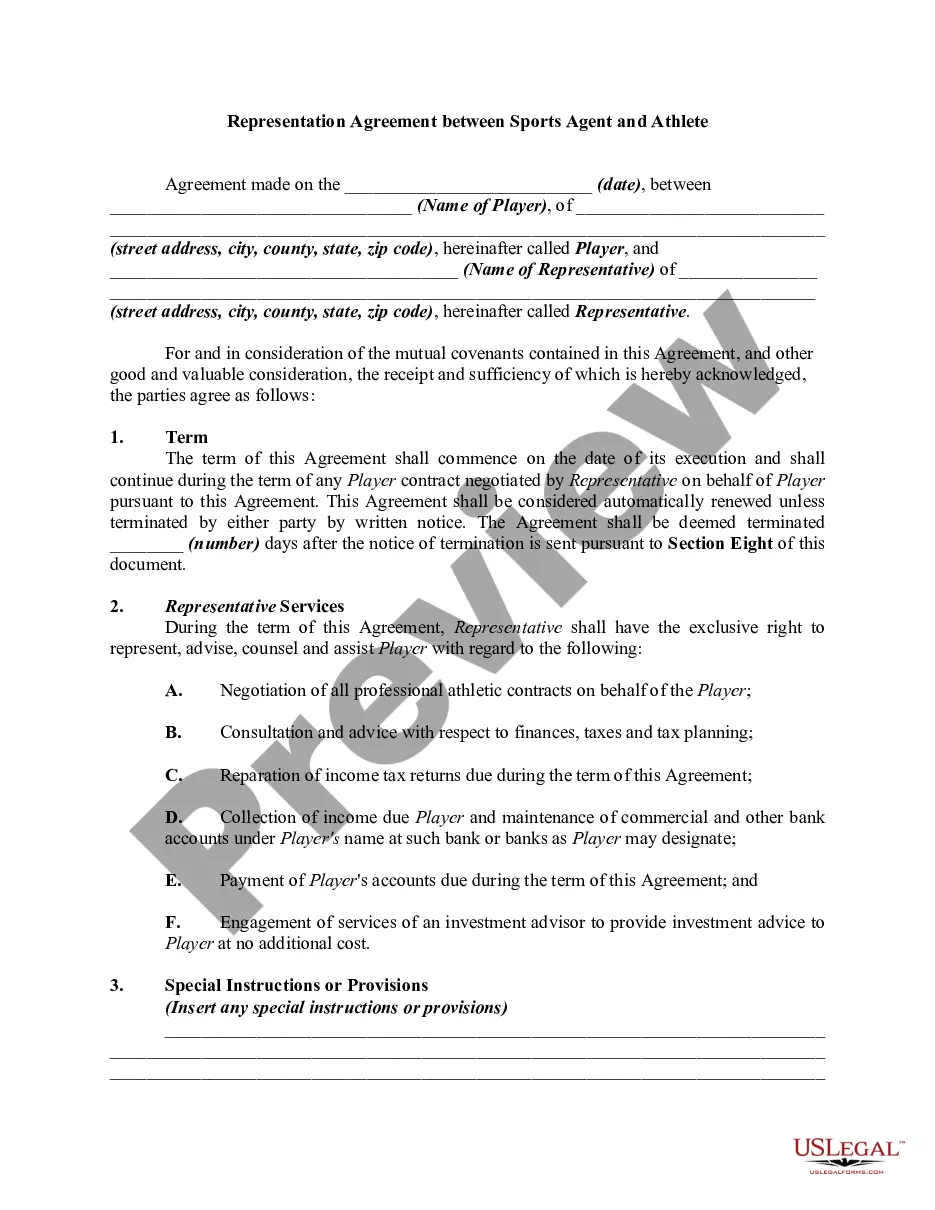
Get your form ready online
Our built-in tools help you complete, sign, share, and store your documents in one place.
Make edits, fill in missing information, and update formatting in US Legal Forms—just like you would in MS Word.
Download a copy, print it, send it by email, or mail it via USPS—whatever works best for your next step.
Sign and collect signatures with our SignNow integration. Send to multiple recipients, set reminders, and more. Go Premium to unlock E-Sign.
If this form requires notarization, complete it online through a secure video call—no need to meet a notary in person or wait for an appointment.
We protect your documents and personal data by following strict security and privacy standards.

Make edits, fill in missing information, and update formatting in US Legal Forms—just like you would in MS Word.

Download a copy, print it, send it by email, or mail it via USPS—whatever works best for your next step.

Sign and collect signatures with our SignNow integration. Send to multiple recipients, set reminders, and more. Go Premium to unlock E-Sign.

If this form requires notarization, complete it online through a secure video call—no need to meet a notary in person or wait for an appointment.

We protect your documents and personal data by following strict security and privacy standards.
Looking for another form?


Form popularity
FAQ
The most practical starting textbook is ``laying down the law'' (lexis) - gives an overview of the basics of law, how statutes and the common law work etc.
1. CPC by Takwani 2. CrPC by Kelkar 3. Constitutional Law by VN Shukla 4. Contract law by Mulla 5. Law of Tort by Ratanlal Dhirajlal 6. Family law by Poonam Pradham Saxena 7. Property law by Poonam Pradhan Saxena
Here are our top picks to read before law school. Is Eating People Wrong? ... My Own Words By Ruth Bader Ginsburg. IL Of A Ride: A Well-Traveled Professor's Roadmap to Success in the First Year of Law School By Andrew J. Getting To Maybe: How To Excel On Law School Exams By Richard Michael Fischl And Jeremy Paul.
Use Textbooks and Resources: Utilize recommended textbooks, online courses, and legal journals to deepen your understanding. Summarize Key Points: As you read, take notes that summarize important concepts and rules. Create Outlines: Organize your notes into outlines to make it easier to review and study for exams.
Although you can learn the law without law school and become a self-taught lawyer, you will not be able to qualify as a lawyer by simply reading about the law. Aside from learning the laws, you must also learn how to apply them in the right scenarios.
Choice of Law Test The party who wants to apply foreign law must identify the foreign law and show that it is materially different from California law. If the laws are not different, the court should apply California law. The court determines what interest each state has in having its own law applied to the case.
Some schools offer flexibility and opportunities for those who need it, including programs that are fully online, part-time or at night, with leeway to spread out your study over four or more years. California is one of only a few states where you can become a lawyer without going to law school, by studying under a ...
Important points to include in a legal document. Party details. List the names, numbers, addresses (email or physical), and any other relevant information of all parties involved. Background information. Motion. Roles and responsibilities. Breaches or contingencies. Dates and signatures.
Have Meaningful Organization Categorize by Case or Client. Create a main file for each client or case. Subdivide Files. Divide your files into meaningful categories for easier navigation and understanding. Label Clearly. Use a consistent labeling system. Use Chronological Order.
You can use different font styles (type, size, and color) and increased spacing to visually distinguish your headings from the body text of the document. Delete unnecessary words, sentences, paragraphs, and pages. While writing, seek to only include information that is essential for your audience to know.
