Law Book For Students In Broward
Description
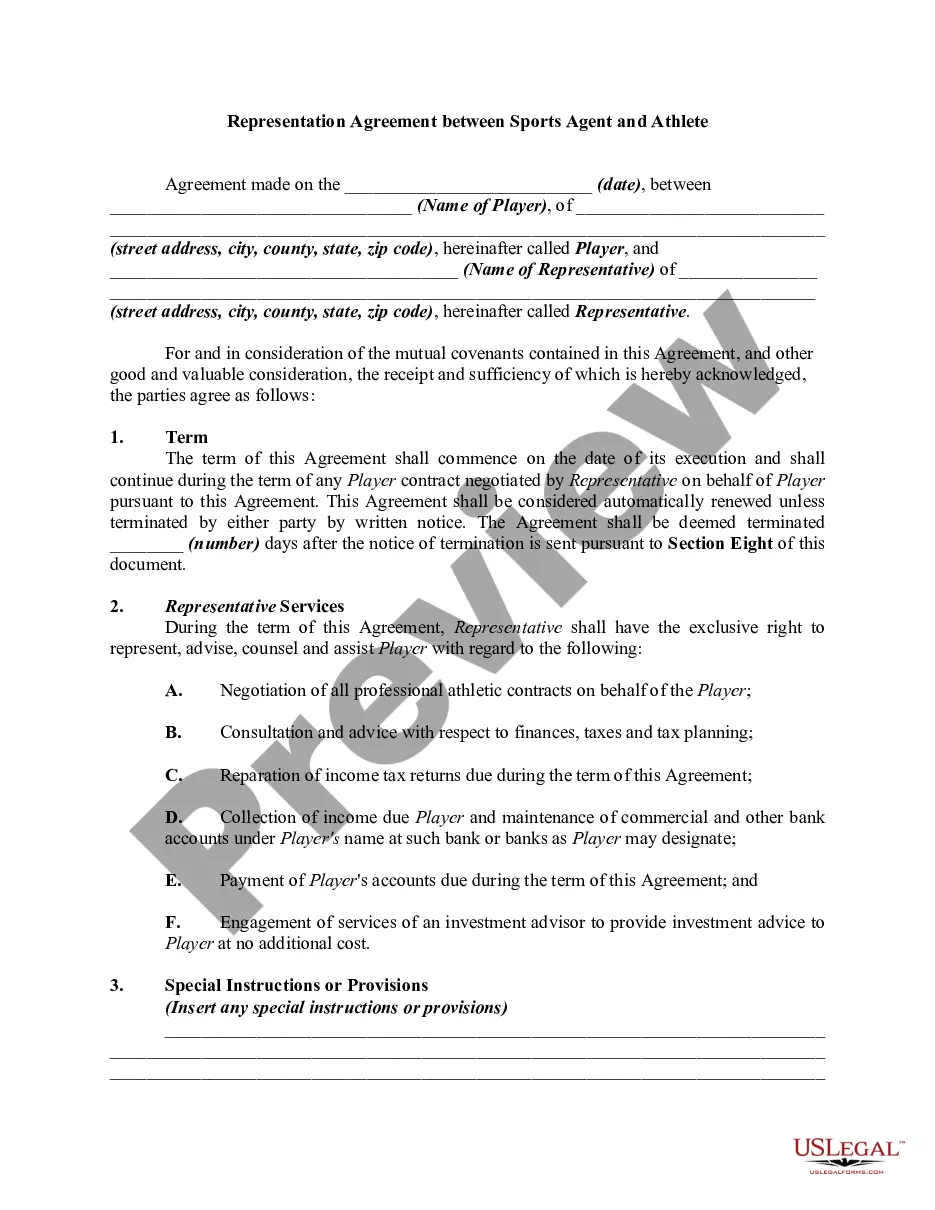
Get your form ready online
Our built-in tools help you complete, sign, share, and store your documents in one place.
Make edits, fill in missing information, and update formatting in US Legal Forms—just like you would in MS Word.
Download a copy, print it, send it by email, or mail it via USPS—whatever works best for your next step.
Sign and collect signatures with our SignNow integration. Send to multiple recipients, set reminders, and more. Go Premium to unlock E-Sign.
If this form requires notarization, complete it online through a secure video call—no need to meet a notary in person or wait for an appointment.
We protect your documents and personal data by following strict security and privacy standards.

Make edits, fill in missing information, and update formatting in US Legal Forms—just like you would in MS Word.

Download a copy, print it, send it by email, or mail it via USPS—whatever works best for your next step.

Sign and collect signatures with our SignNow integration. Send to multiple recipients, set reminders, and more. Go Premium to unlock E-Sign.

If this form requires notarization, complete it online through a secure video call—no need to meet a notary in person or wait for an appointment.

We protect your documents and personal data by following strict security and privacy standards.
Looking for another form?









Form popularity
FAQ
It depends on the institution and state. Most private universities can limit or even deny access. If they are a FDLP (gov docs) library they have to allow reasonable access to those, but they don't have to allow access to other resources.
Applicants are required to have a cumulative grade point average (GPA) of 2.0 on a 4.0 scale in all post-secondary coursework and must be in good academic standing at the last institution attended.
The primary FERPA rights for parents and students age 18 or older are: • The right to inspect and review education records • The right to seek to amend education records that are inaccurate, misleading, or in violation of the student's privacy rights • The right to have limited control over the disclosure of ...
While rare, an employee handbook can inadvertently create a contract in certain instances. Legally, the key factor in determining whether a company handbook constitutes a contract is if the employer has issued a guarantee to the employee or if the employee promises anything to the employer.
While it may seem like a collection of rules and regulations to abide by during your academic journey, it is extremely important to recognize that the Student Handbook is not just a mere guideline; it is a binding legal contract between you and your educational institution.
Although a Student Handbook may not resemble a traditional contract with signatures and explicit terms, it can still be considered a binding agreement.
Starting with the basics, an employee handbook is a clear-cut document that outlines a company's policies and procedures. It also lays out any organizational expectations. It is not an employment agreement, so be sure to avoid using legal jargon.
