Law Books For Personal Statement In Allegheny
Description
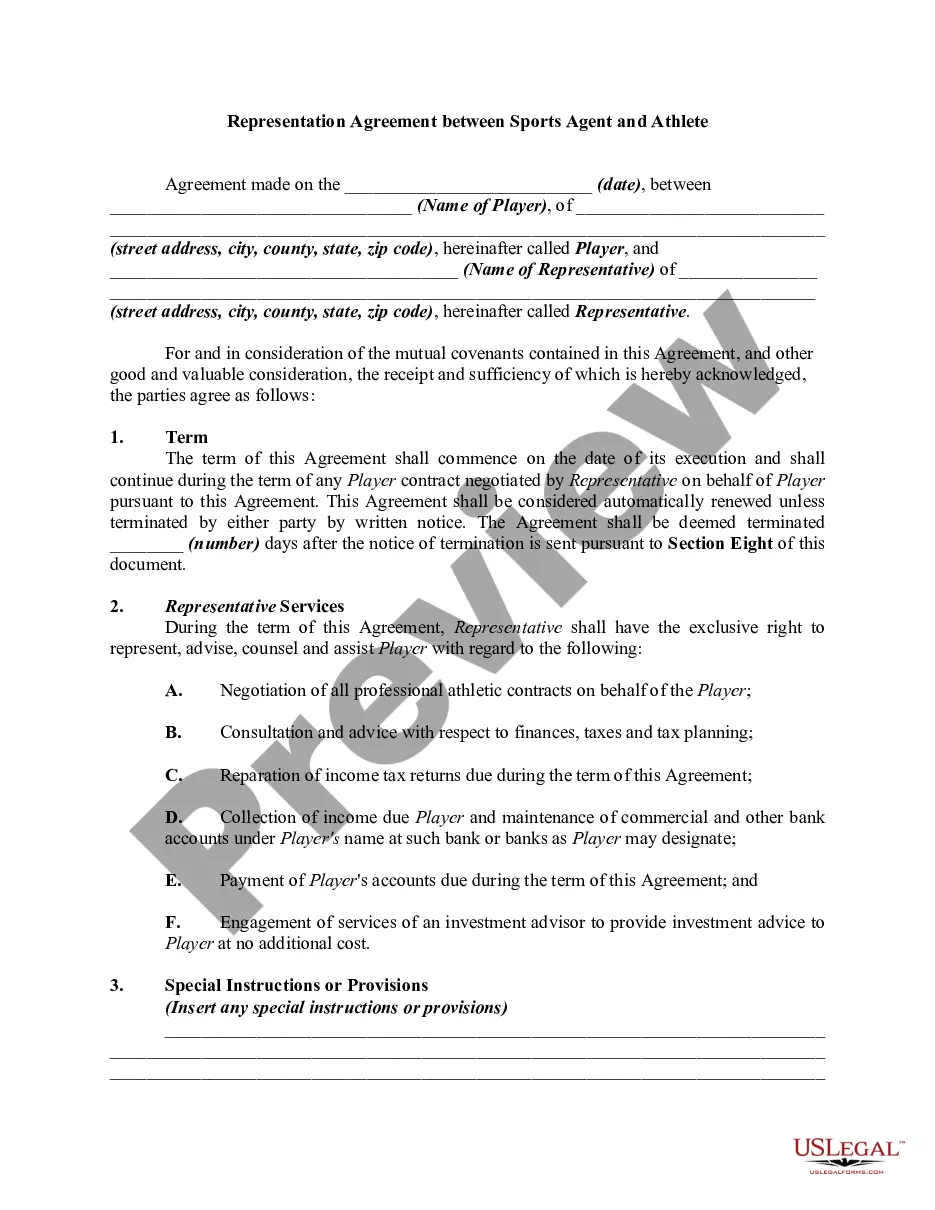
Get your form ready online
Our built-in tools help you complete, sign, share, and store your documents in one place.
Make edits, fill in missing information, and update formatting in US Legal Forms—just like you would in MS Word.
Download a copy, print it, send it by email, or mail it via USPS—whatever works best for your next step.
Sign and collect signatures with our SignNow integration. Send to multiple recipients, set reminders, and more. Go Premium to unlock E-Sign.
If this form requires notarization, complete it online through a secure video call—no need to meet a notary in person or wait for an appointment.
We protect your documents and personal data by following strict security and privacy standards.

Make edits, fill in missing information, and update formatting in US Legal Forms—just like you would in MS Word.

Download a copy, print it, send it by email, or mail it via USPS—whatever works best for your next step.

Sign and collect signatures with our SignNow integration. Send to multiple recipients, set reminders, and more. Go Premium to unlock E-Sign.

If this form requires notarization, complete it online through a secure video call—no need to meet a notary in person or wait for an appointment.

We protect your documents and personal data by following strict security and privacy standards.
Looking for another form?


Form popularity
FAQ
How to Write a Personal Statement The New Yorker Magazine Joan Didion's essays Tina Fey's memoir, BossyPants When Breath Becomes Air, by Paul Kalinithi The historical travel writing of Sarah Vowell A Walk in the Woods by Bill Bryson Into Thin Air or Into the Wild by John Krakauer Zeitoun, by Dave Eggers
Therefore avoid phrases such as 'from an early age', 'I have a thirst for knowledge' and 'I've always been passionate about...' or bold sweeping statements like 'I was the best in my classes, 'I've always been good at...' or 'I've come so far'. Equally, do not quote famous philosophers or celebrities.
The most practical starting textbook is ``laying down the law'' (lexis) - gives an overview of the basics of law, how statutes and the common law work etc.
Pitfalls to Avoid in Your Personal Statement Excessive use of advanced vocabulary or fancy words. Excessive use of semicolons ( the `` ; `` symbol). Skipping transition sentences. Being too generic in your writing. Making someone else the star of your PS. Forgetting to relate your experiences to medicine.
Avoid phrases or ideas that undermine your commitment or make it seem like the PA profession is a backup plan. Your goal is to convince the admissions committee that you are the right fit for the profession and that you will make a significant impact on patients and the healthcare system in the future.
Your essay should make it clear why you are pursuing medicine, and why you have chosen to become a PA specifically. Don't say why you don't want to be a different kind of healthcare provider, write about how you want to be a PA! This is a great place to demonstrate your knowledge of the unique profession.
Avoid phrases or ideas that undermine your commitment or make it seem like the PA profession is a backup plan. Your goal is to convince the admissions committee that you are the right fit for the profession and that you will make a significant impact on patients and the healthcare system in the future.
Don't just name drop lots of books you've read, try and discuss the content – anyone can read the words of a book, but tutors want you to demonstrate that you've gained a deeper understanding of the subject. Offer an opinion about the content, what did you think was particularly interesting?
Here are some tips to consider when writing a personal statement: Be authentic, start strong, showcase your motivation, tell a story, connect your experiences to law, address any weaknesses, be concise, and lastly proofread your work.
