Law Book For Banking In Alameda
Description
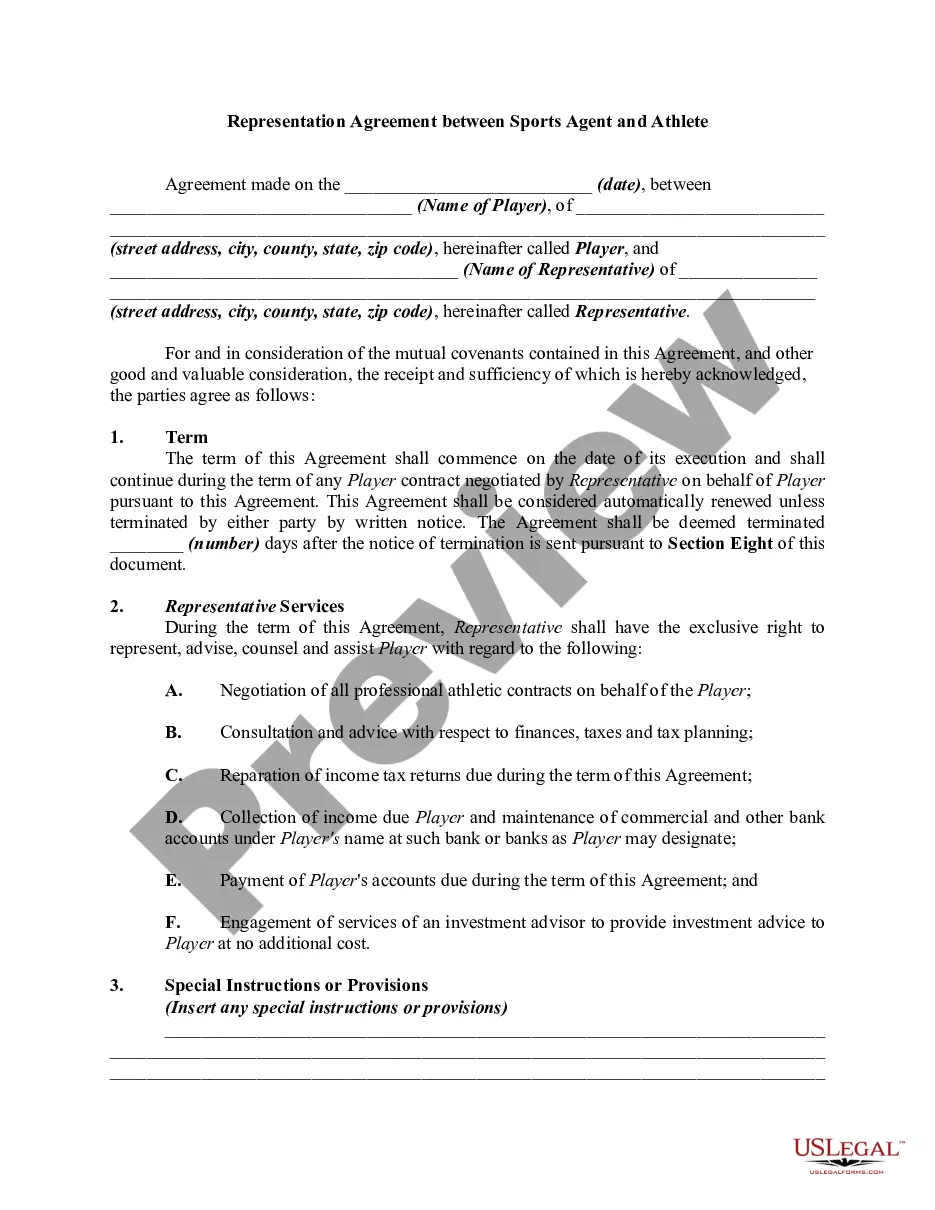
Get your form ready online
Our built-in tools help you complete, sign, share, and store your documents in one place.
Make edits, fill in missing information, and update formatting in US Legal Forms—just like you would in MS Word.
Download a copy, print it, send it by email, or mail it via USPS—whatever works best for your next step.
Sign and collect signatures with our SignNow integration. Send to multiple recipients, set reminders, and more. Go Premium to unlock E-Sign.
If this form requires notarization, complete it online through a secure video call—no need to meet a notary in person or wait for an appointment.
We protect your documents and personal data by following strict security and privacy standards.

Make edits, fill in missing information, and update formatting in US Legal Forms—just like you would in MS Word.

Download a copy, print it, send it by email, or mail it via USPS—whatever works best for your next step.

Sign and collect signatures with our SignNow integration. Send to multiple recipients, set reminders, and more. Go Premium to unlock E-Sign.

If this form requires notarization, complete it online through a secure video call—no need to meet a notary in person or wait for an appointment.

We protect your documents and personal data by following strict security and privacy standards.
Looking for another form?








Form popularity
FAQ
The base fine for speeding tickets in California is determined by how many miles per hour (mph) you were driving over the speed limit: 1-15 mph over the limit: $35 base fine. 16-25 mph over the limit: $70 base fine. 26 mph or more over the limit: $100 base fine.
If you have questions about the citation, please call Linebarger at (844) 544-5358.
Here's a breakdown of the standard base fines for speeding in California: 1–15 mph over the limit: $35. 16–25 mph over the limit: $70. 26+ mph over the limit: $100.
Your passport from your home country can prove your identification. If you are undocumented and/or do not have a driver's license or unexpired passport, you may be able to get a municipal ID to count as government-issued proof of your identification and address if you live in a certain city.
Banks are bound by privacy laws forbidding them from giving out customer information without consent. It's highly unlikely that the customer or their legal counsel will give you the go-ahead to comb through their bank accounts. You'll need a subpoena or court order authorizing you to do so.
From law ebooks on administrative law, the constitution, and our courts, we carry a diverse selection for you to read on your device. Whether you're a student, a lawyer, or simply an inquiring mind, you'll get quick access to the best legal books and amazing law-related titles that help demystify the legal system.
A bank account is a financial account maintained by a bank or other financial institution in which the financial transactions between the bank and a customer are recorded.
To open a bank account for an individual, their identity and legal name can be established by providing any of the following documents: Passport; PAN (Permanent Account Number) card; Voter's Identity Card; Driving License; Job Card issued by NREGA duly signed by an officer of the State Government;
The law governing banks, bank accounts, and lending in the United States is a hybrid of federal and state statutory law. Consumers and businesses usually establish bank accounts in banks and savings associations chartered under state or federal law.
If you are a customer at a bank, and unauthorized bank accounts have been opened in your name that results in fees or unwanted services, you may qualify to file an unauthorized bank account class action claim.
