Meeting Minutes For Business In Broward
Description
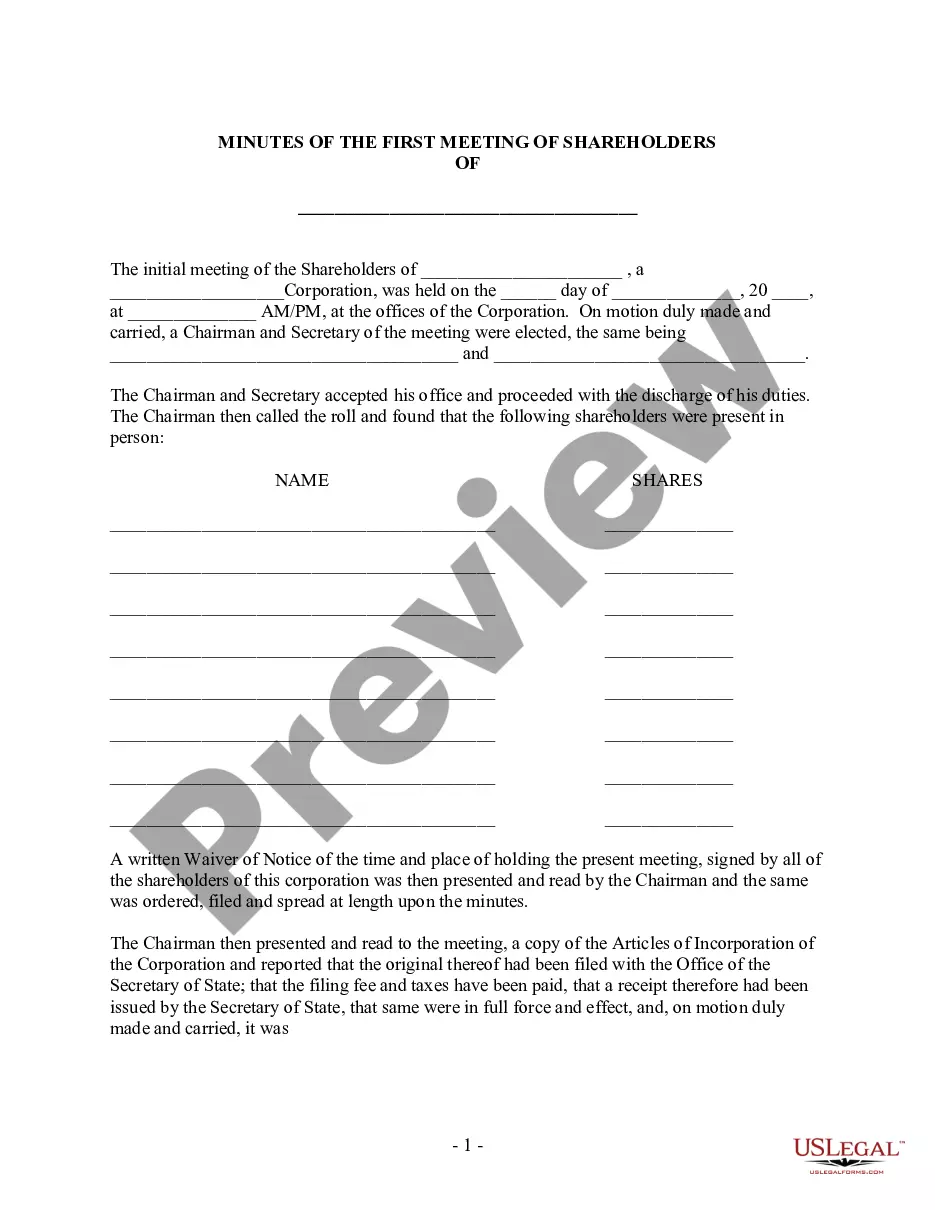
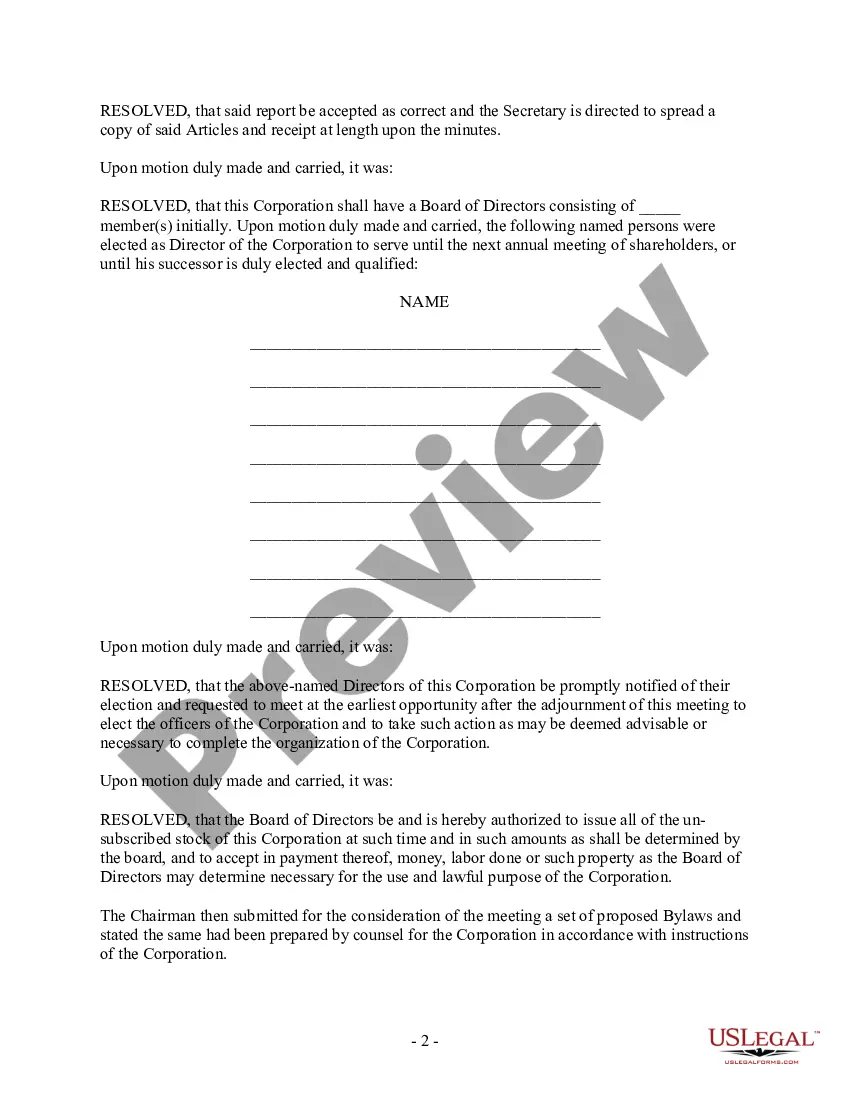
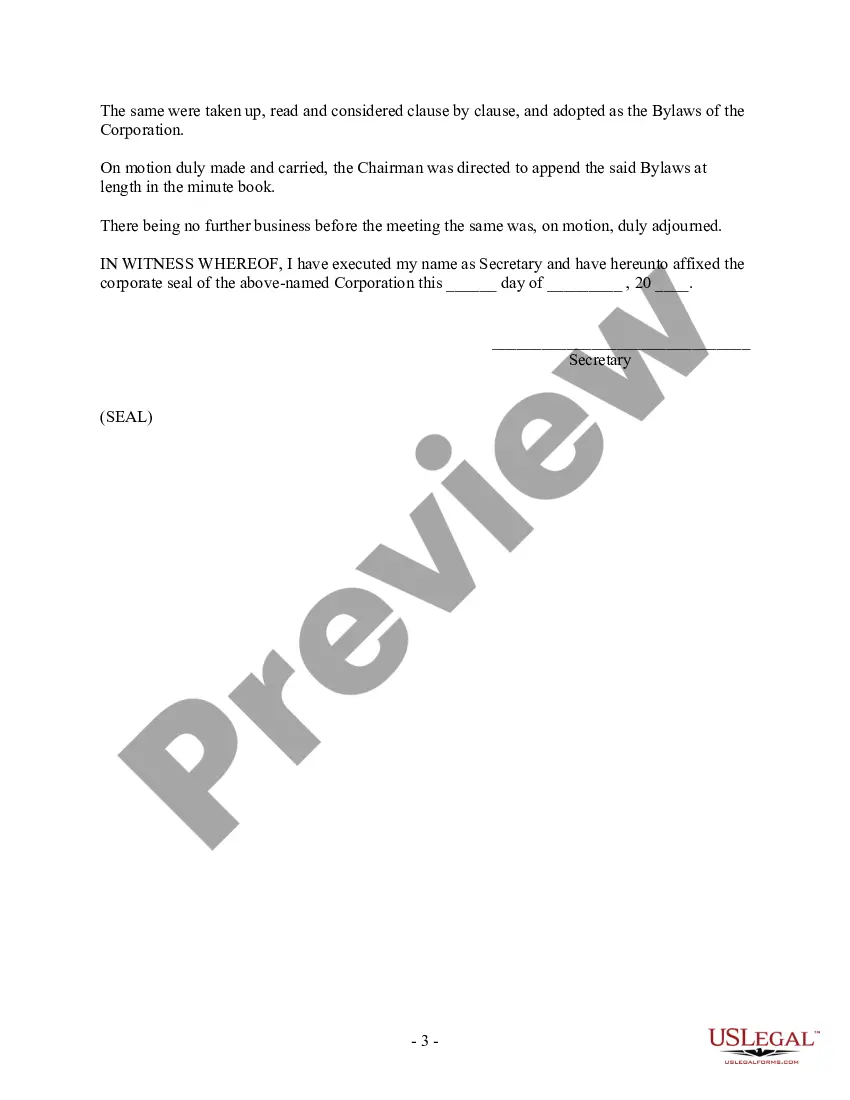



Get your form ready online
Our built-in tools help you complete, sign, share, and store your documents in one place.
Make edits, fill in missing information, and update formatting in US Legal Forms—just like you would in MS Word.
Download a copy, print it, send it by email, or mail it via USPS—whatever works best for your next step.
Sign and collect signatures with our SignNow integration. Send to multiple recipients, set reminders, and more. Go Premium to unlock E-Sign.
If this form requires notarization, complete it online through a secure video call—no need to meet a notary in person or wait for an appointment.
We protect your documents and personal data by following strict security and privacy standards.

Make edits, fill in missing information, and update formatting in US Legal Forms—just like you would in MS Word.

Download a copy, print it, send it by email, or mail it via USPS—whatever works best for your next step.

Sign and collect signatures with our SignNow integration. Send to multiple recipients, set reminders, and more. Go Premium to unlock E-Sign.

If this form requires notarization, complete it online through a secure video call—no need to meet a notary in person or wait for an appointment.

We protect your documents and personal data by following strict security and privacy standards.
Looking for another form?

Form popularity
FAQ
Information captured in an LLC's annual meeting minutes usually includes: The meeting's date, time, and location. Who wrote the minutes. The names of the members in attendance. Brief description of the meeting agenda. Details about what the members discussed. Decisions made or voting actions taken.
To take effective meeting minutes, the secretary should include: Date of the meeting. Time the meeting was called to order. Names of the meeting participants and absentees. Corrections and amendments to previous meeting minutes. Additions to the current agenda. Whether a quorum is present. Motions taken or rejected.
Robert's Rules (Section -16) state that “the minutes should contain mainly a record of what was done at the meeting, not what was said by the members.” Minutes are not transcripts of meetings; rather, the document contains a record of actions taken by the body, organized by the meeting's order of business (agenda).
Minutes are an official record of actions the board or committee took at a meeting, not a record of everything that was said. They serve a historical purpose, but just as important, they serve a legal purpose, documenting the group's adherence to the proper procedures and the association's bylaws.
Are meeting minutes just the formal way of saying meeting notes? Well, kind of. The term “meeting minutes” doesn't refer to time at all (minute the noun), but rather “minute” the verb which means small in size: Pronounced My-Noot. So “meeting minutes” really translates to a short report of the meeting.
Meeting minutes are crucial accountability and compliance tools. But they must be accurate to meet that need. Boards turn to meeting minutes as an official record of the discussions, decisions and actions agreed upon during a meeting.
Legal implications of not keeping minutes The law requires every company to take minutes of all proceedings at board meetings and to keep them for ten years from the date of the meeting. Every director would be committing an offence if the company does not comply with these requirements.
You may also contact the Broward County Call Center at 954-831-4000 for further assistance.
How Do I Find Public Records in Florida? For arrest records, contact the Sheriff's Office where the arrest was made. For vital records, visit the Florida Bureau of Vital Statistics. For inmate records, visit the Florida Department of Corrections (FDC). For court records, contact the clerk at the appropriate court.
General Information: (954) 831-6565. Telephone agents are available to assist you or direct your call between a.m. and p.m., Monday thru Friday, excluding Courthouse Holidays. View the Clerk Directory for division contact information.