Requesting Discovery Form With Decimals In Washington
Description
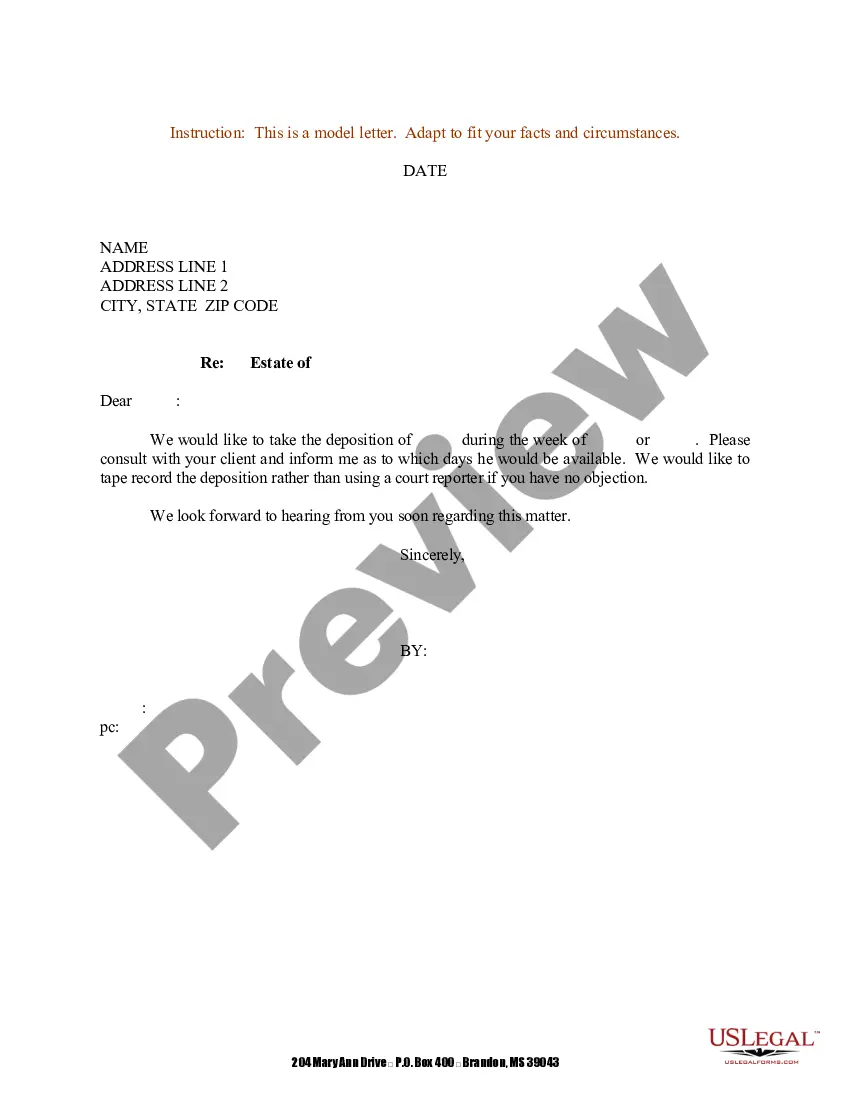
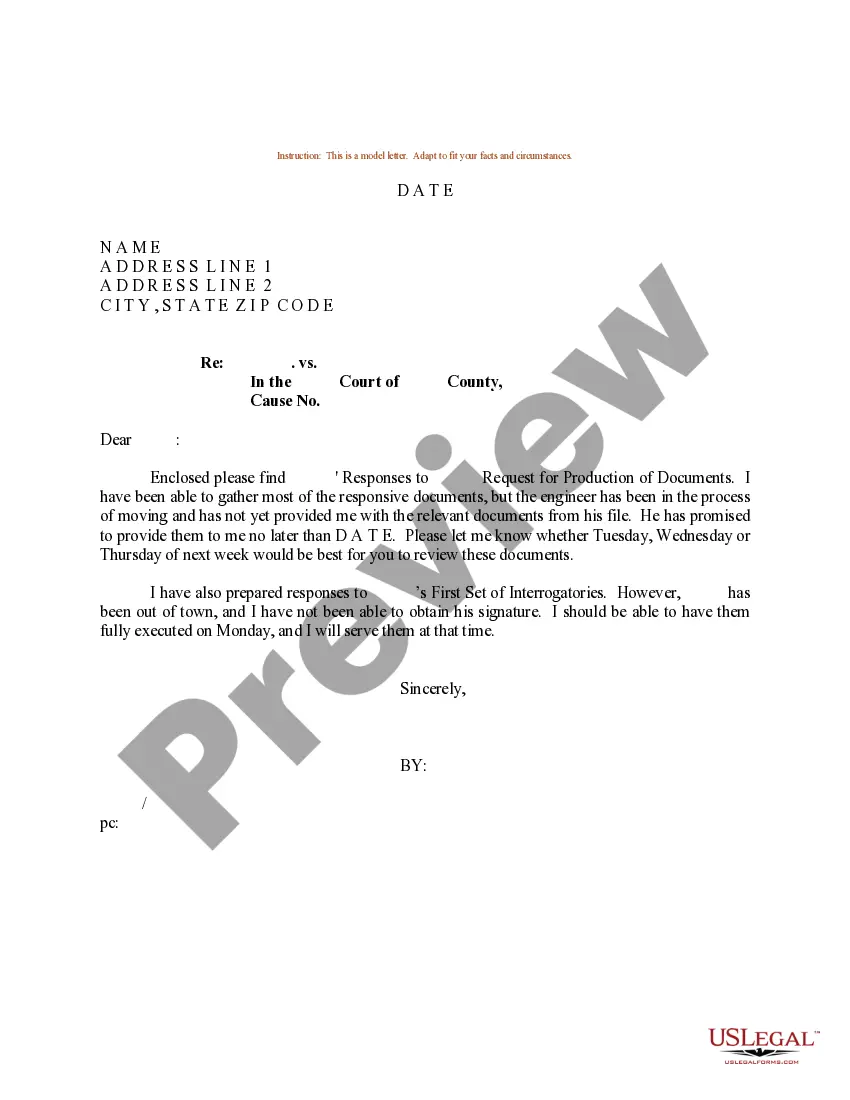
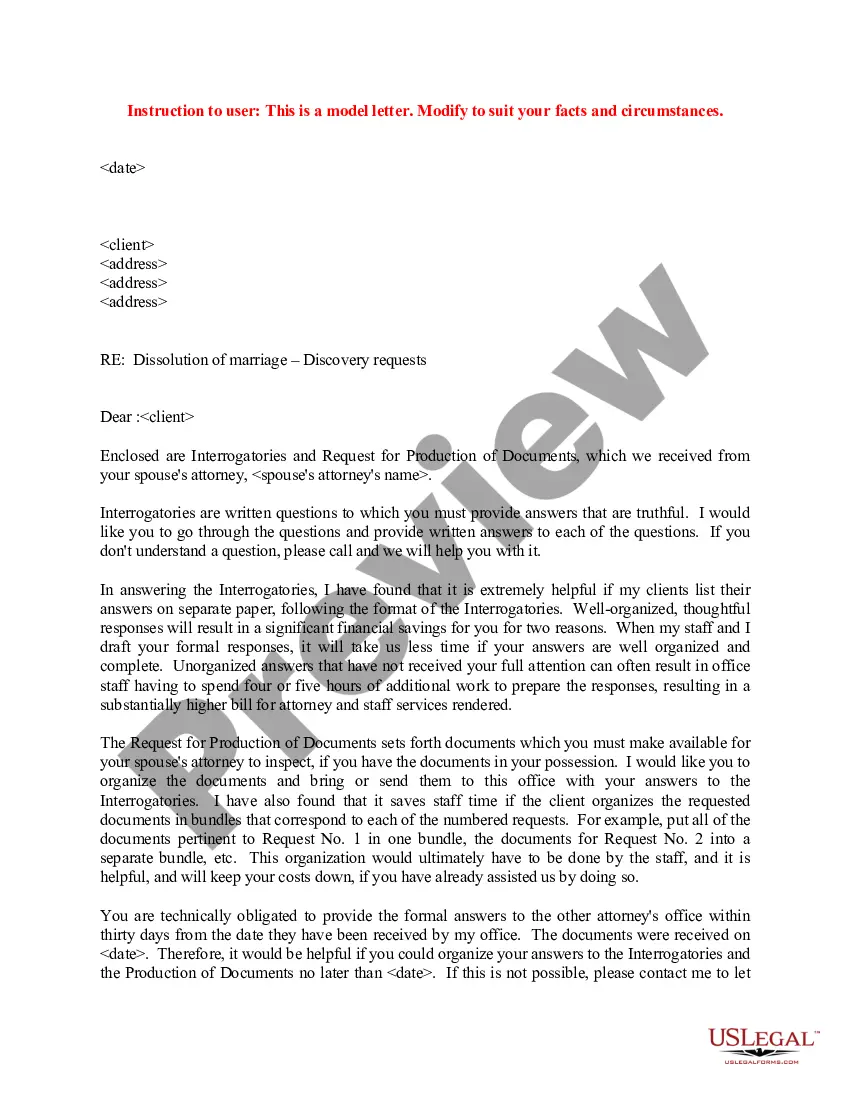
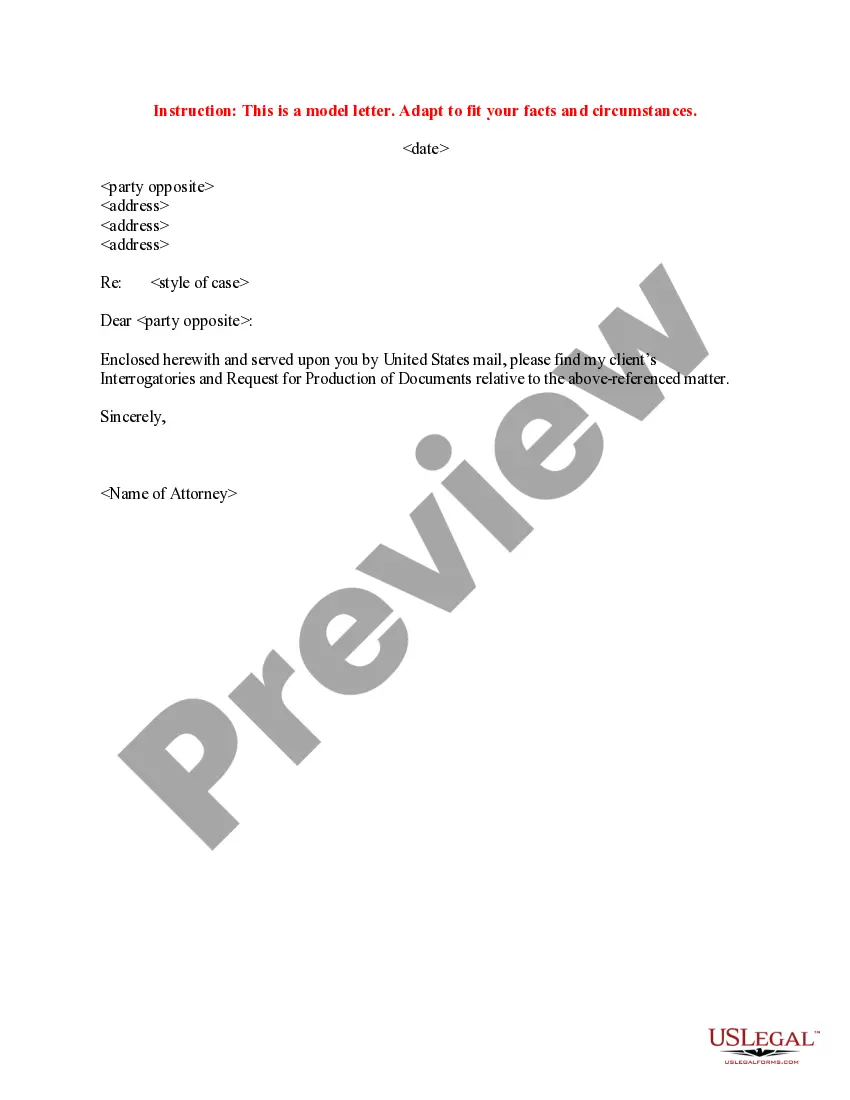
Get your form ready online
Our built-in tools help you complete, sign, share, and store your documents in one place.
Make edits, fill in missing information, and update formatting in US Legal Forms—just like you would in MS Word.
Download a copy, print it, send it by email, or mail it via USPS—whatever works best for your next step.
Sign and collect signatures with our SignNow integration. Send to multiple recipients, set reminders, and more. Go Premium to unlock E-Sign.
If this form requires notarization, complete it online through a secure video call—no need to meet a notary in person or wait for an appointment.
We protect your documents and personal data by following strict security and privacy standards.

Make edits, fill in missing information, and update formatting in US Legal Forms—just like you would in MS Word.

Download a copy, print it, send it by email, or mail it via USPS—whatever works best for your next step.

Sign and collect signatures with our SignNow integration. Send to multiple recipients, set reminders, and more. Go Premium to unlock E-Sign.

If this form requires notarization, complete it online through a secure video call—no need to meet a notary in person or wait for an appointment.

We protect your documents and personal data by following strict security and privacy standards.
Looking for another form?



Form popularity
FAQ
Discovery requests typically follow a common format that you can mirror. First, list instructions detailing the request for production. Be sure to mention Rule 34 and Rule 26(b), which outline the scope of the discovery request. It's also necessary to include a section with definitions.
The definition of “discovery” in law is the exchange of legal information and known facts of a case.
The discovery rule allows plaintiffs to extend the statute of limitations on the basis that they had not reasonably discovered that they had a claim in time to meet the deadline. In this situation, the three-year time frame would not start until someone reasonably concluded that the death was wrongful.
Interrogatories may, without leave of court, be served upon the plaintiff after the summons and a copy of the complaint are served upon the defendant, or the complaint is filed, whichever shall first occur, and upon any other party with or after service of the summons and complaint upon that party.
Unless agreed by the parties and with the permission of the court, all discovery shall be completed within 60 days of the demand, or 90 days of service of the summons and complaint, or counterclaim, or cross complaint, whichever is longer. This revision is advisable for several reasons.
A court in Washington State will usually a) award each party his or her own separate property and b) divide the net value of the parties' community property 50/50. This means the husband keeps what he brought to the marriage, the wife keeps what she brought, and the rest gets split between them equally.
Interrogatories may, without leave of court, be served upon the plaintiff after the summons and a copy of the complaint are served upon the defendant, or the complaint is filed, whichever shall first occur, and upon any other party with or after service of the summons and complaint upon that party.
An application to the court for an order shall be by motion which, unless made during a hearing or trial, shall be made in writing, shall state with particularity the grounds therefor, and shall set forth the relief or order sought.
Much of the conflict has centered on Rule 33(a), which provides that “any party may serve upon any other party written interrogatories, not exceeding 25 in number . . . to be answered by the party served.” The Rule's language indicates that each party of a civil suit may serve up to twenty-five interrogatories upon any ...

