Requesting Discovery Form For Canada In Utah
Description
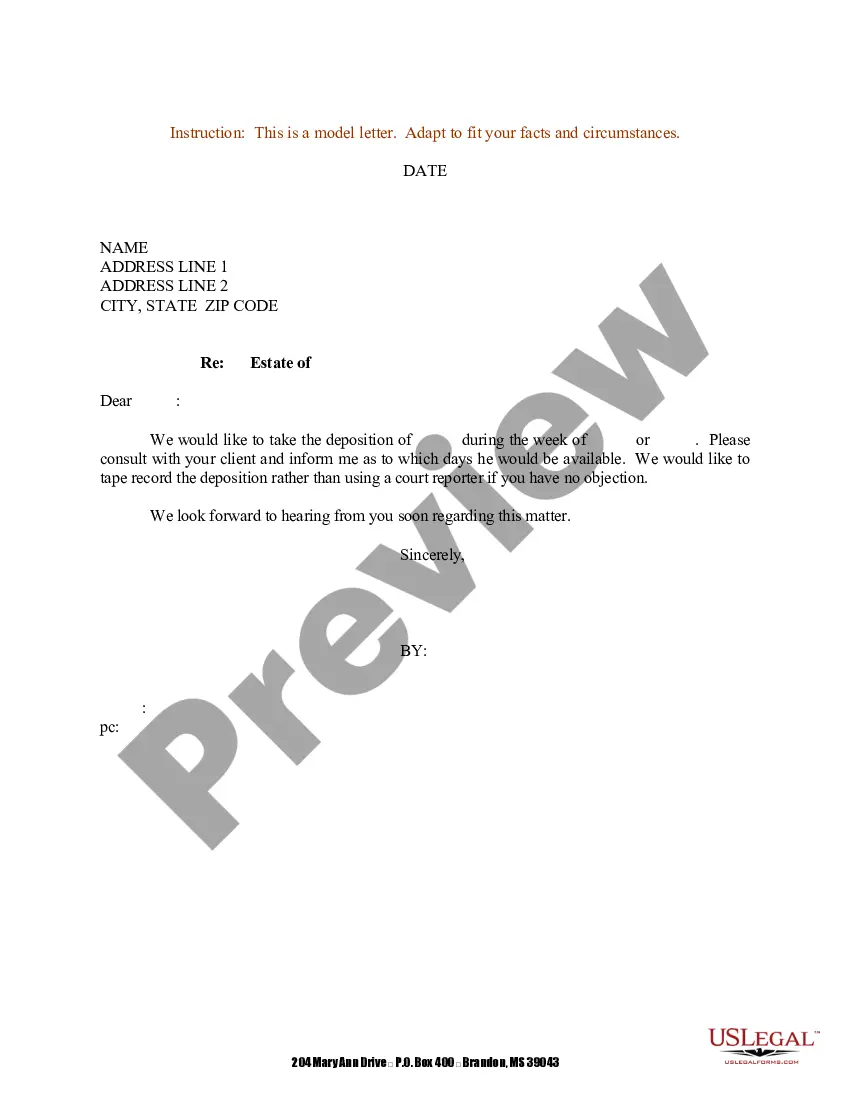
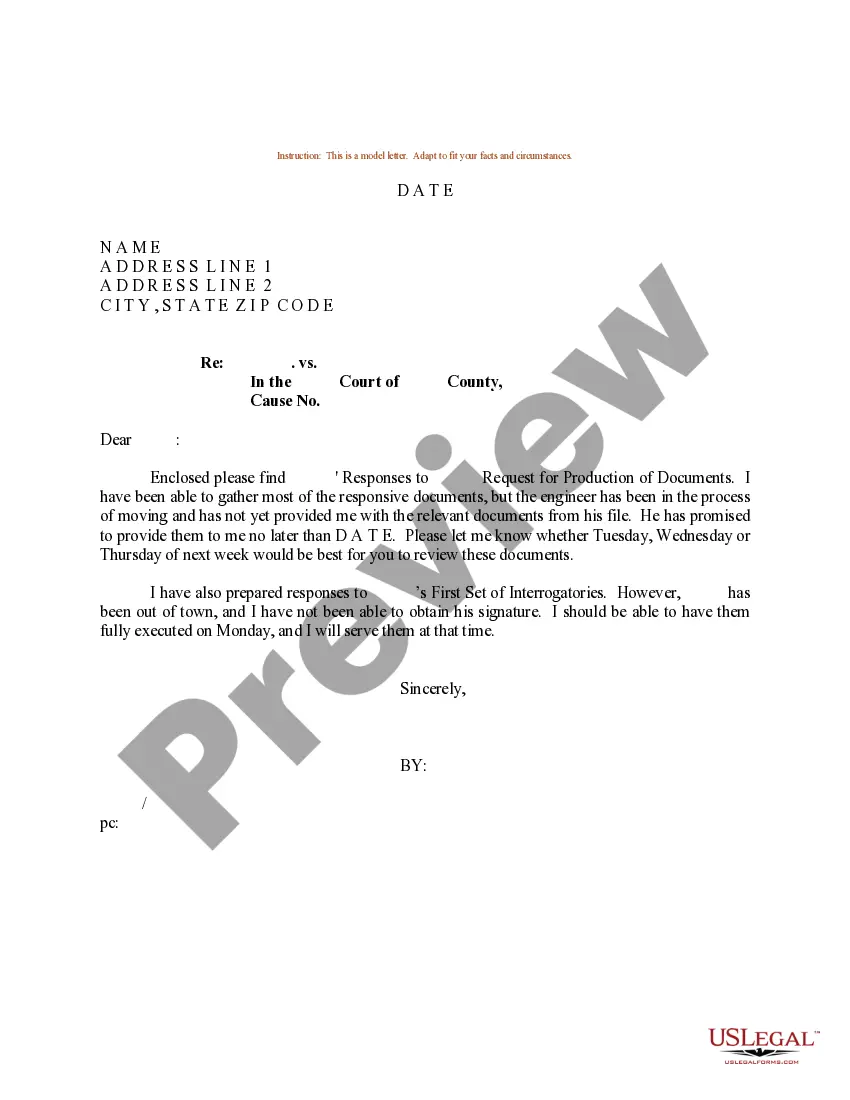
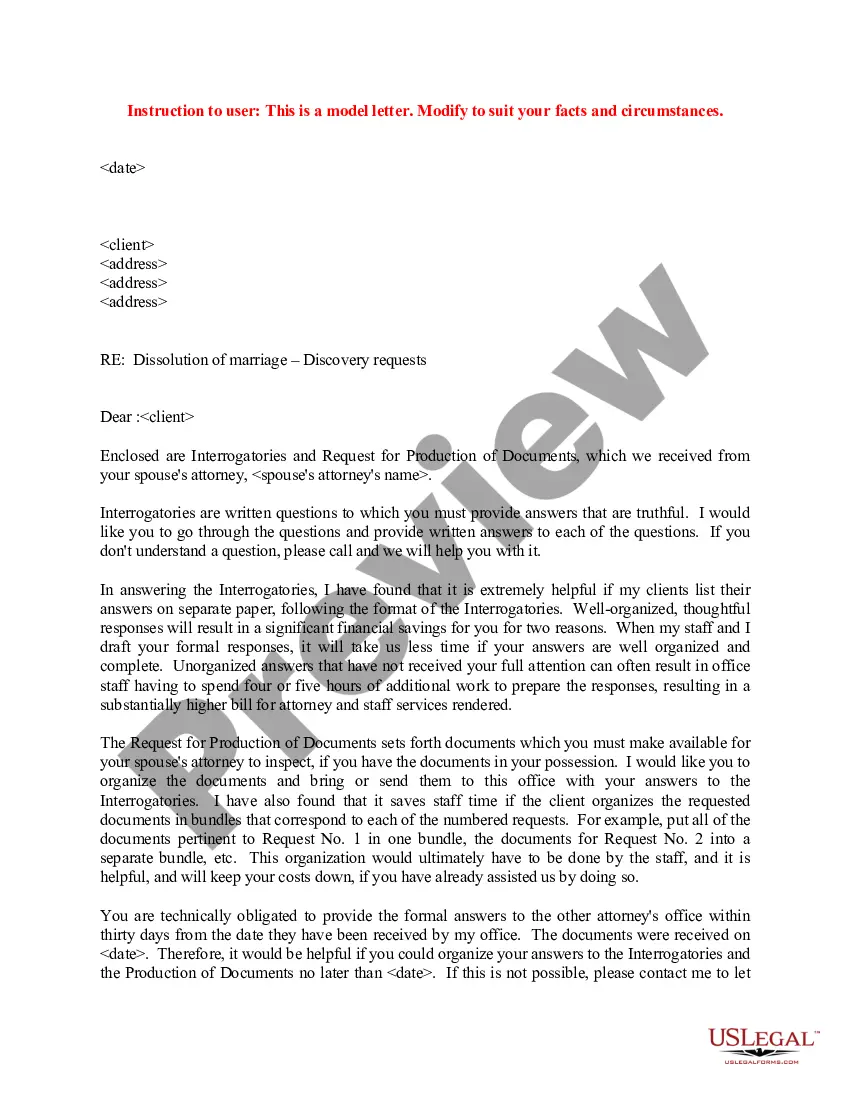
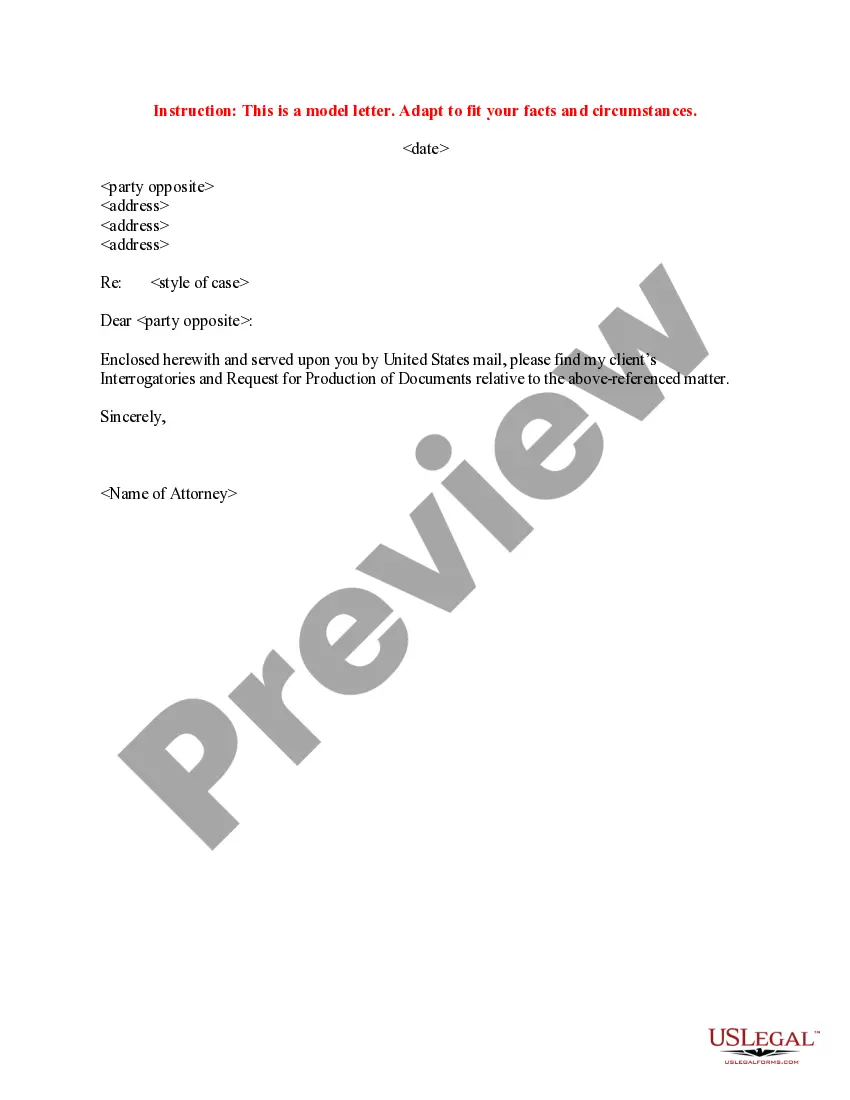
Get your form ready online
Our built-in tools help you complete, sign, share, and store your documents in one place.
Make edits, fill in missing information, and update formatting in US Legal Forms—just like you would in MS Word.
Download a copy, print it, send it by email, or mail it via USPS—whatever works best for your next step.
Sign and collect signatures with our SignNow integration. Send to multiple recipients, set reminders, and more. Go Premium to unlock E-Sign.
If this form requires notarization, complete it online through a secure video call—no need to meet a notary in person or wait for an appointment.
We protect your documents and personal data by following strict security and privacy standards.

Make edits, fill in missing information, and update formatting in US Legal Forms—just like you would in MS Word.

Download a copy, print it, send it by email, or mail it via USPS—whatever works best for your next step.

Sign and collect signatures with our SignNow integration. Send to multiple recipients, set reminders, and more. Go Premium to unlock E-Sign.

If this form requires notarization, complete it online through a secure video call—no need to meet a notary in person or wait for an appointment.

We protect your documents and personal data by following strict security and privacy standards.
Looking for another form?








Form popularity
FAQ
Conclusion: Following discovery, the lawsuit needs a final conclusion. Most cases settle, with mediation being the most common means of reaching settlement. If settlement efforts fail, then the final outcome is determined by trial.
A standard entry on criminal dockets is “Motion for Discovery.” This motion is a tool your criminal defense lawyer uses to access the prosecution's information and evidence against you. Virtually every criminal case that reaches trial will undergo the discovery process.
Official misconduct -- Unauthorized acts or failure of duty. Terms defined in Sections 76-1-101.5 and 76-8-101 apply to this section. knowingly refrains from performing a duty imposed on the actor by law or clearly inherent in the nature of the actor's office.
Rule 37(e) applies only to ESI “lost because a party failed to take reasonable steps to preserve it.” Thus, the rule applies only to parties. The rule does not by its terms apply to spoliation by a relevant nonparty — or sanctions to be imposed on a party as a result of spoliation by a third party.
Establishment of parent-child relationship. an unrebutted presumption of maternity of the child established in the same manner as under Section 78B-15-204. In this chapter, the presumption of maternity shall be treated the same as a presumption of paternity as established in Subsection 78B-15-201(2)(a).
Rule 37 requires certification that the moving party has “in good faith conferred” with the opposing party in an effort to obtain discovery without court intervention.
Discovery is how you gather the evidence you will need to prove your case as plaintiff, or defeat the plaintiff's case as a defendant. You use discovery to find out things like: What the other side plans to say about an issue in your case. What facts or witnesses support their side.
Only the clerk of court may issue a Utah subpoena based on a foreign subpoena. Utah Code Section 78B-17-201. The court will assign a case number and judge. Once this process is completed, the subpoena should be served as described in the Serving the subpoena section above.
Rule 37— Failure to Make Disclosure or Cooperate in Discovery: Sanctions. (a) Motion for Order Compelling Disclosure or Discovery. A party, upon reasonable notice to other parties and all persons affected thereby, may apply for an order compelling disclosure or discovery as follows: (1) Appropriate Court.
(a) Use of depositions. (a)(1) Any deposition may be used by any party for the purpose of contradicting or impeaching the testimony of a deponent as a witness or for any other purpose permitted by the Utah Rules of Evidence.

