Requesting Discovery Form For Divorce In Travis
Description
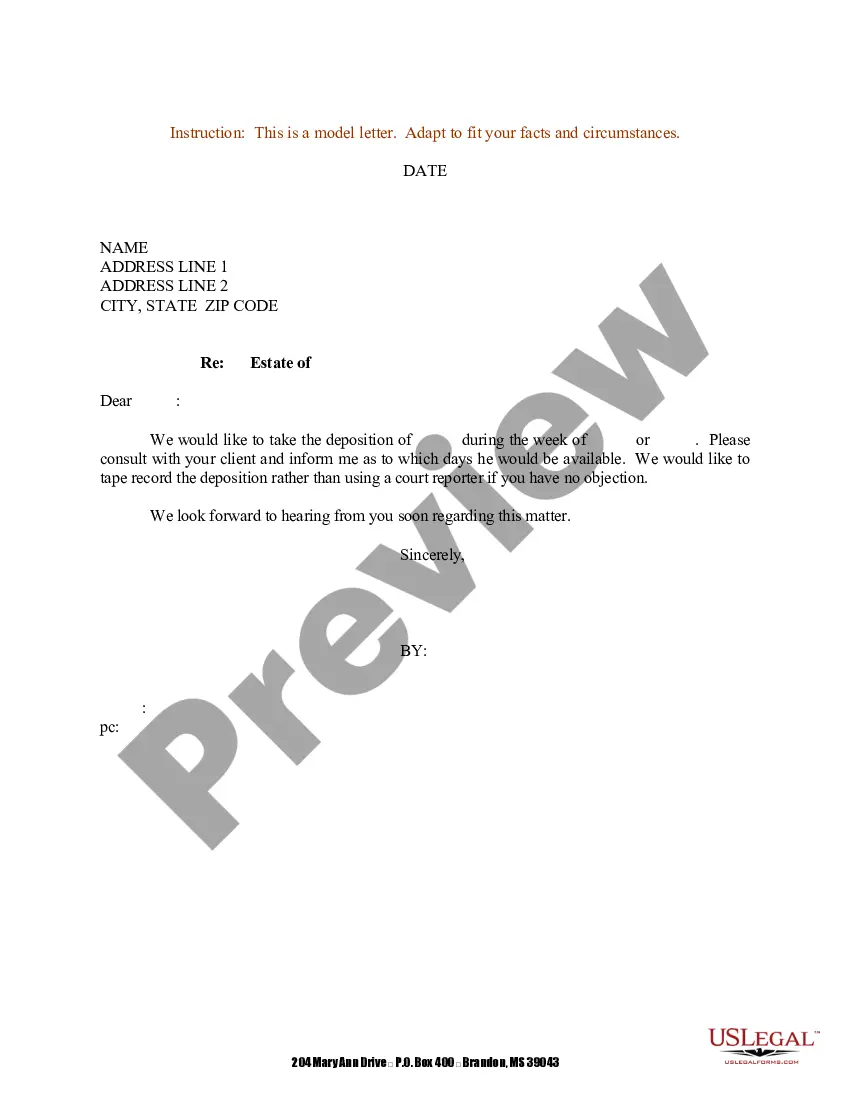
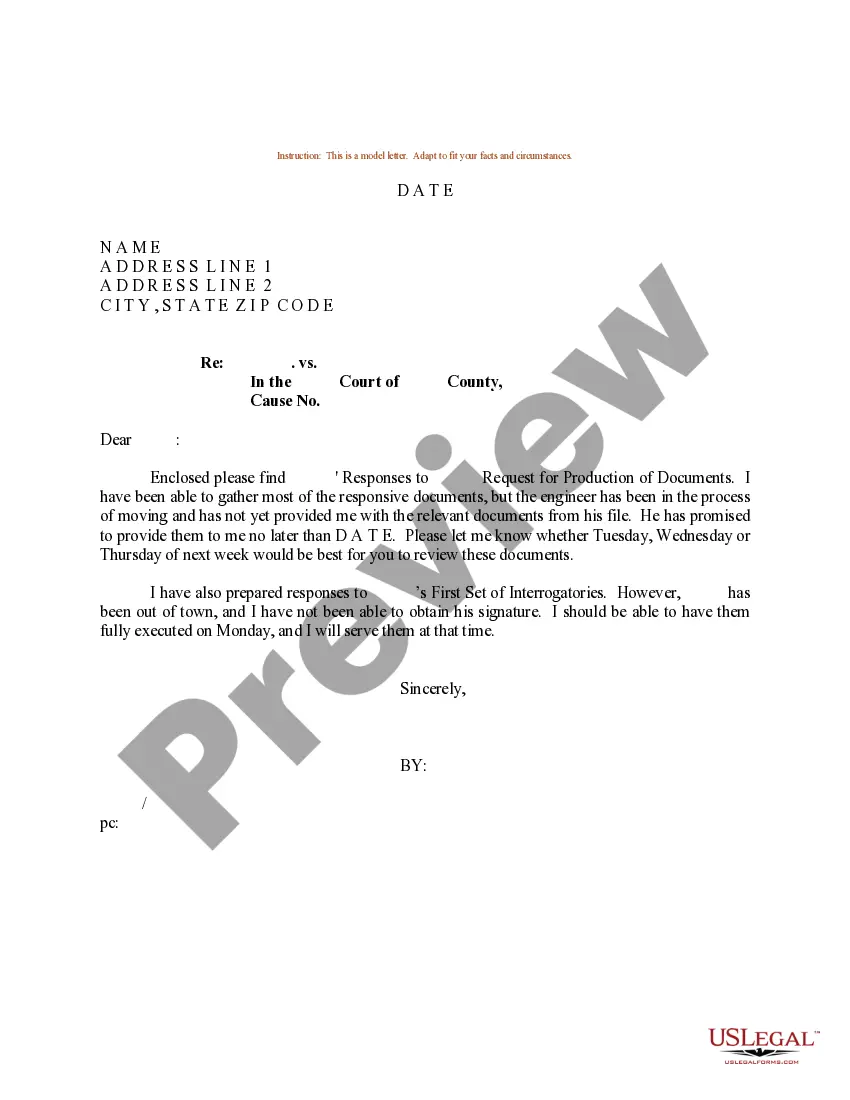
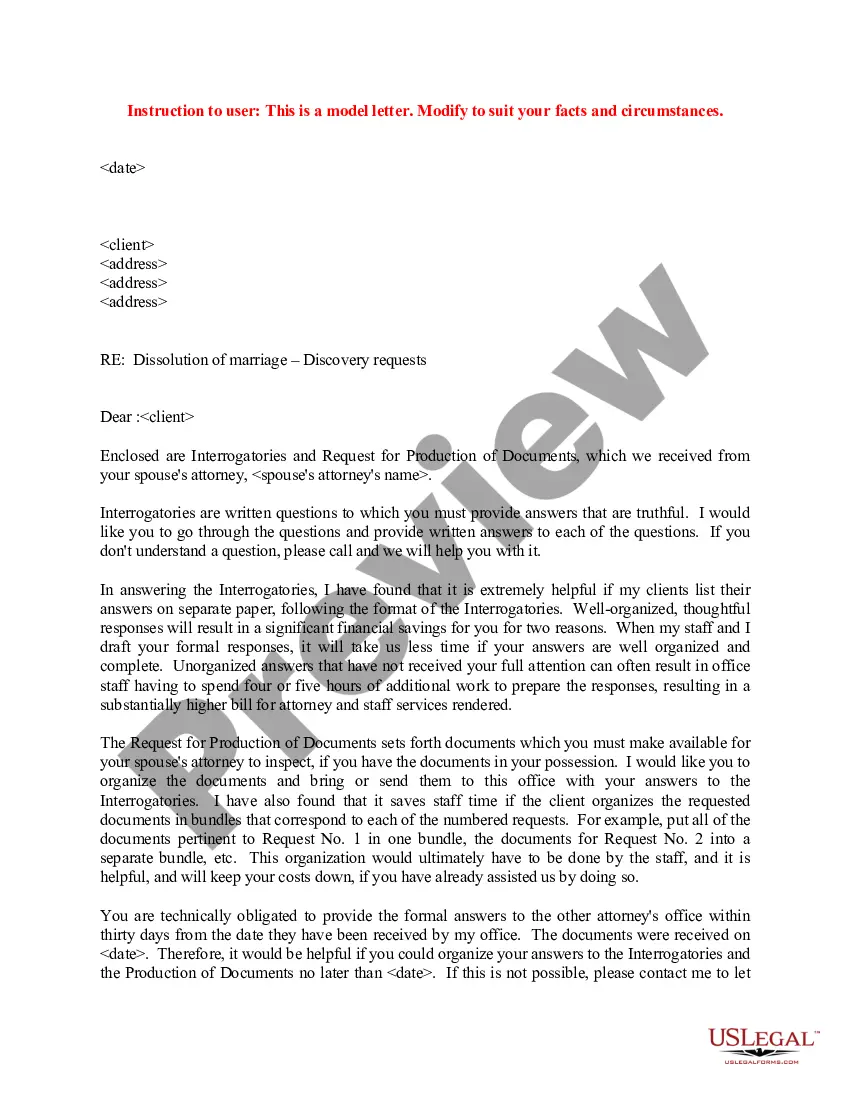
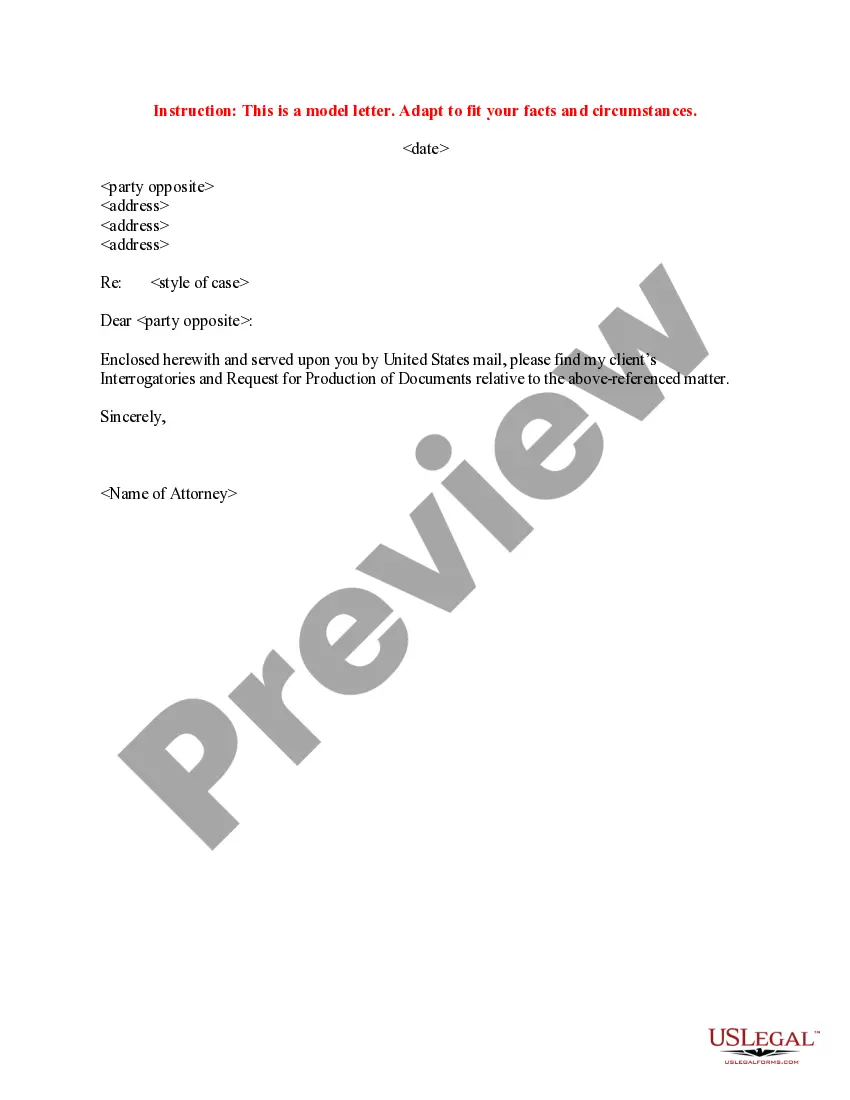
Get your form ready online
Our built-in tools help you complete, sign, share, and store your documents in one place.
Make edits, fill in missing information, and update formatting in US Legal Forms—just like you would in MS Word.
Download a copy, print it, send it by email, or mail it via USPS—whatever works best for your next step.
Sign and collect signatures with our SignNow integration. Send to multiple recipients, set reminders, and more. Go Premium to unlock E-Sign.
If this form requires notarization, complete it online through a secure video call—no need to meet a notary in person or wait for an appointment.
We protect your documents and personal data by following strict security and privacy standards.

Make edits, fill in missing information, and update formatting in US Legal Forms—just like you would in MS Word.

Download a copy, print it, send it by email, or mail it via USPS—whatever works best for your next step.

Sign and collect signatures with our SignNow integration. Send to multiple recipients, set reminders, and more. Go Premium to unlock E-Sign.

If this form requires notarization, complete it online through a secure video call—no need to meet a notary in person or wait for an appointment.

We protect your documents and personal data by following strict security and privacy standards.
Looking for another form?







Form popularity
FAQ
Discovery is a formal exchange of information between the parties regarding the evidence and witnesses each side plans to present at trial. In Texas, the discovery process is meant to expedite litigation and encourage parties to reach a settlement before their trial date.
Discovery is the fact finding and evidence gathering process of a case. This is when a party obtains information that supports their case and also obtains information the other side intends to use to enhance their case.
Discovery is designed to ensure fairness and transparency in the divorce process, and non-compliance by one spouse hinders this process. Consequently, if you don't comply with discovery requests, it can have serious legal repercussions and lead to adverse rulings against you in the divorce proceedings.
One of the most important phases of the divorce process is “discovery.” This is the stage of a divorce where information is exchanged between the parties in order for them to make informed decisions — and successfully present their cases in court.
Additionally, the new rules that went into effect September 1, 2023, require disclosure of the expert's qualifications to include all publications authored by the expert in the last 10 years, a list of cases in which the expert testified as an expert at trial or deposition (unless the expert is an attorney testifying ...
Things to Avoid During Divorce Do Not Disclose Confidential Information to Others. Do Not Hide/Destroy Property or Documents. Do Not Incur Unusual Debts/Liabilities. Do Not Discuss the Settlement with Spouse. Do Not Belittle Your Spouse to Other People, Especially the Children.
Once the discovery phase is complete, the parties better understand the strengths and weaknesses of their respective cases. With this information, they can engage in settlement negotiations to resolve the dispute without going to trial.
By choosing mediation or collaborative divorce, couples can avoid the adversarial nature of formal discovery and work towards a resolution that benefits everyone involved, including any children. These methods can also reduce the emotional and financial costs associated with traditional discovery.
Only answer the actual question being asked of you. Type your responses, please do not handwrite your responses. Be truthful. This is not a time to hide the truth or not answer accurately.

