Requesting Discovery Form With Court In Salt Lake
Description
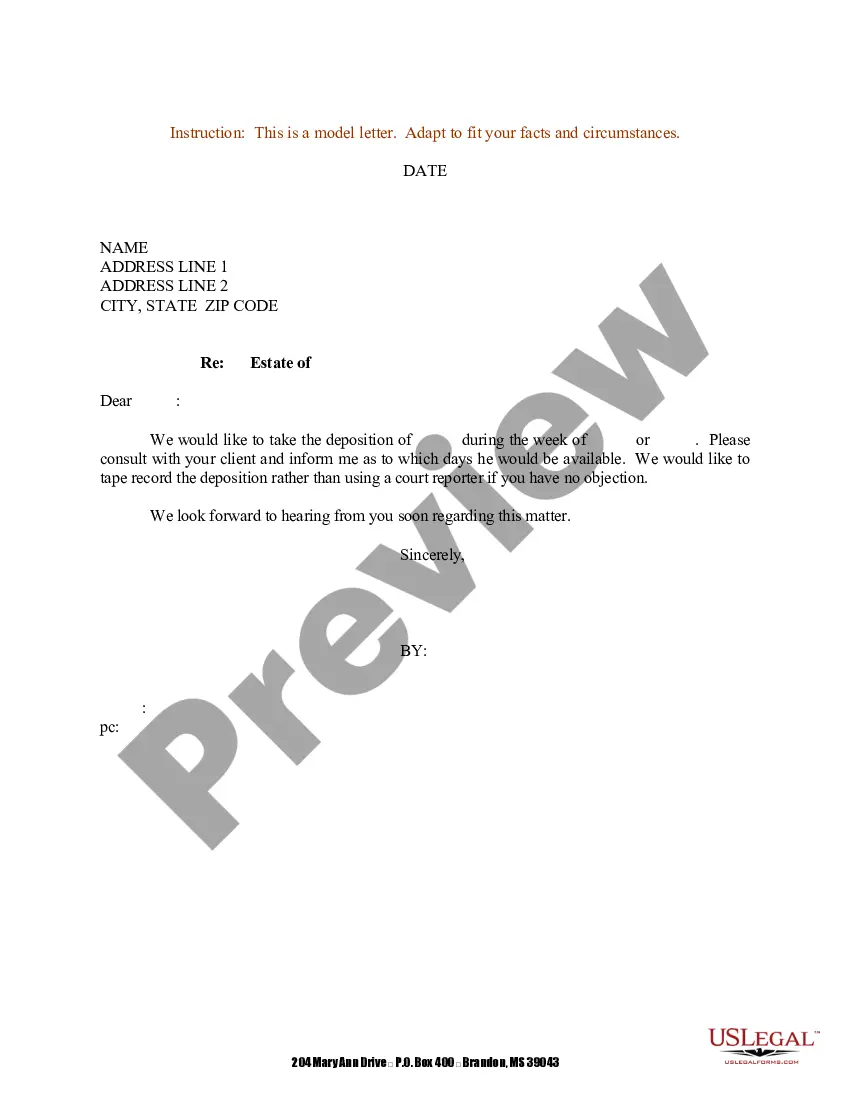
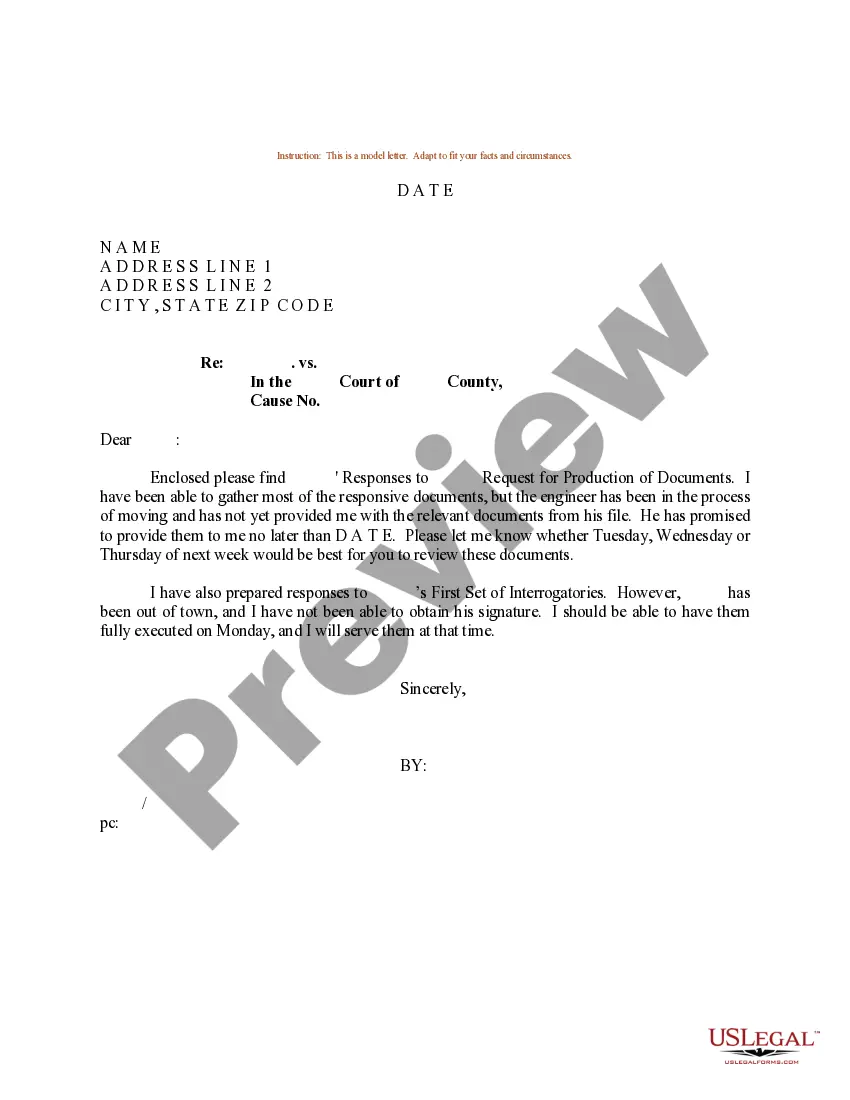
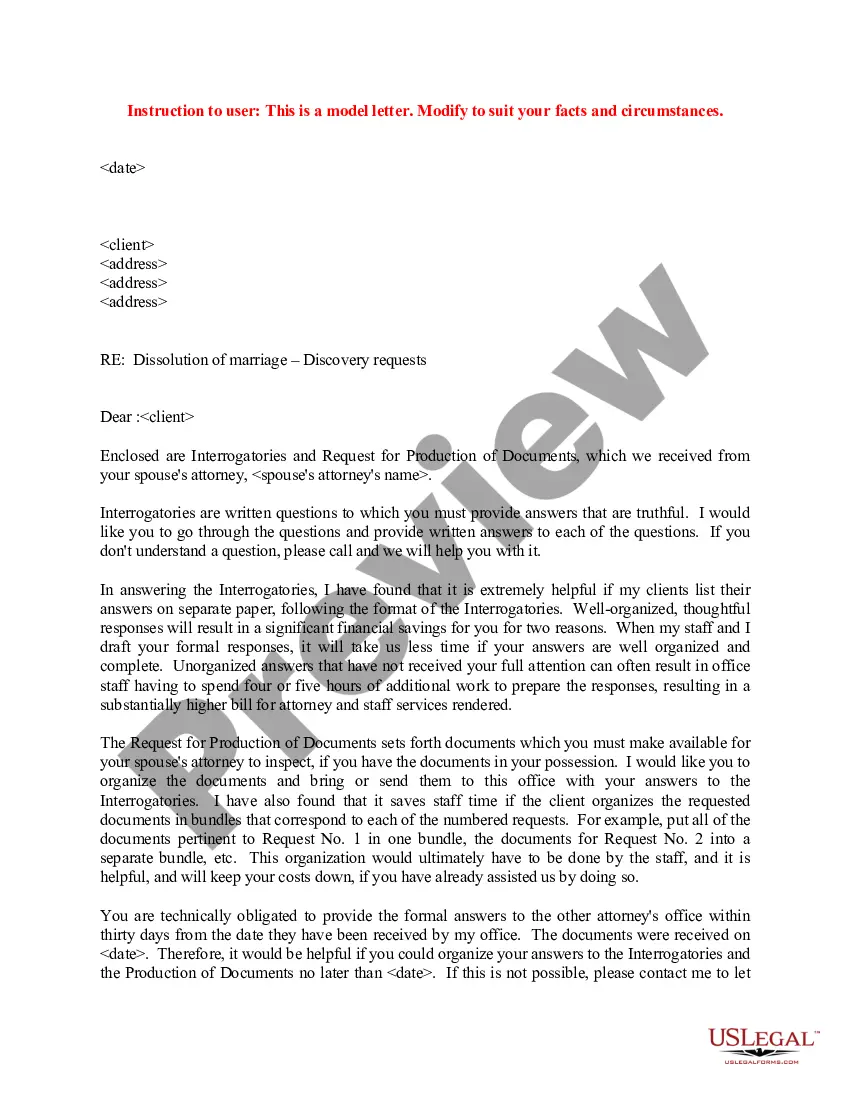
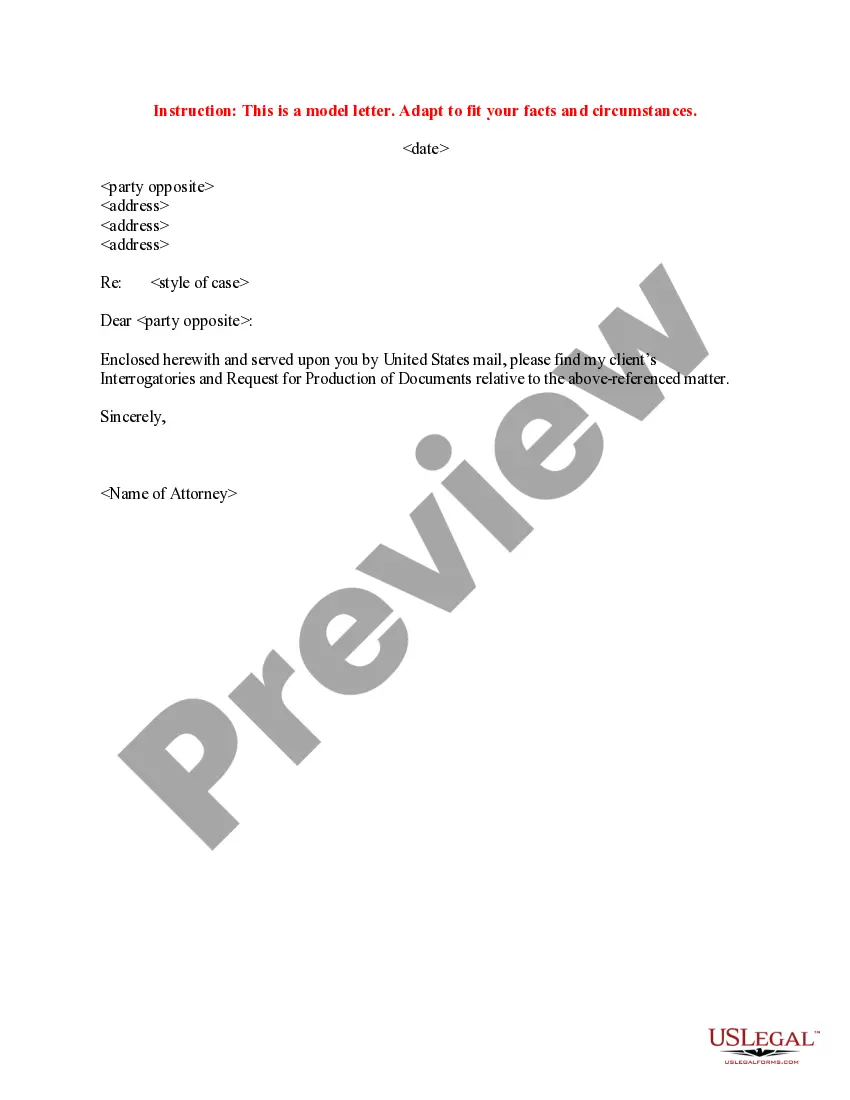
Get your form ready online
Our built-in tools help you complete, sign, share, and store your documents in one place.
Make edits, fill in missing information, and update formatting in US Legal Forms—just like you would in MS Word.
Download a copy, print it, send it by email, or mail it via USPS—whatever works best for your next step.
Sign and collect signatures with our SignNow integration. Send to multiple recipients, set reminders, and more. Go Premium to unlock E-Sign.
If this form requires notarization, complete it online through a secure video call—no need to meet a notary in person or wait for an appointment.
We protect your documents and personal data by following strict security and privacy standards.

Make edits, fill in missing information, and update formatting in US Legal Forms—just like you would in MS Word.

Download a copy, print it, send it by email, or mail it via USPS—whatever works best for your next step.

Sign and collect signatures with our SignNow integration. Send to multiple recipients, set reminders, and more. Go Premium to unlock E-Sign.

If this form requires notarization, complete it online through a secure video call—no need to meet a notary in person or wait for an appointment.

We protect your documents and personal data by following strict security and privacy standards.
Looking for another form?








Form popularity
FAQ
After that, the main discovery process begins which includes: initial disclosures, depositions, interrogatories, request for admissions (RFA) and request for production of documents (RFP).
Discovery learning takes place in problem solving situations where learners interact with their environment by exploring and manipulating objects, wrestling with questions and controversies, or performing experiments, while drawing on their own experience and prior knowledge.
Three types of discovery are serendipity, through error, and exaptation. The three are discussed with examples provided for each. One way innovation occurs is through serendipity. Serendipity (sometimes called a happy coincidence) is when an unexpected positive outcome is encountered (Merriam, 2017).
If you are the plaintiff, you can begin discovery 10 days after you serve the first papers in the case or anytime after the defendant files a response. If you are the defendant, you may begin discovery as soon as the case is filed.
There are four main types of discovery requests: (1) depositions; (2) interrogatories; (3) requests for admissions; and (4) requests for the production of documents. Depositions are formal witness interviews.
Generally, discovery requests should be sent to the law enforcement agency that issued the ticket, the prosecuting attorney (in jurisdictions that use prosecutors in traffic court), and to the traffic court clerk.
How Does Discovery Work? There are four main types of discovery requests: (1) depositions; (2) interrogatories; (3) requests for admissions; and (4) requests for the production of documents. Depositions are formal witness interviews.
Initial disclosures are due 14 days after you have had your initial conference with opposing counsel ing to Federal Rule of Civil Procedure 26(f). This document is used to describe what evidence and witnesses that you already have or are aware of at the beginning of your case.
These initial disclosures provide a description of the evidence you currently have in your possession to support your claims, including a list of your potential witnesses and a list of documents that support your claims and defenses.
There are three types of disclosure. Authorized disclosure. Willful unauthorized disclosure. Inadvertent unauthorized disclosure.

