Requesting Discovery Form Without A Lawyer
Description
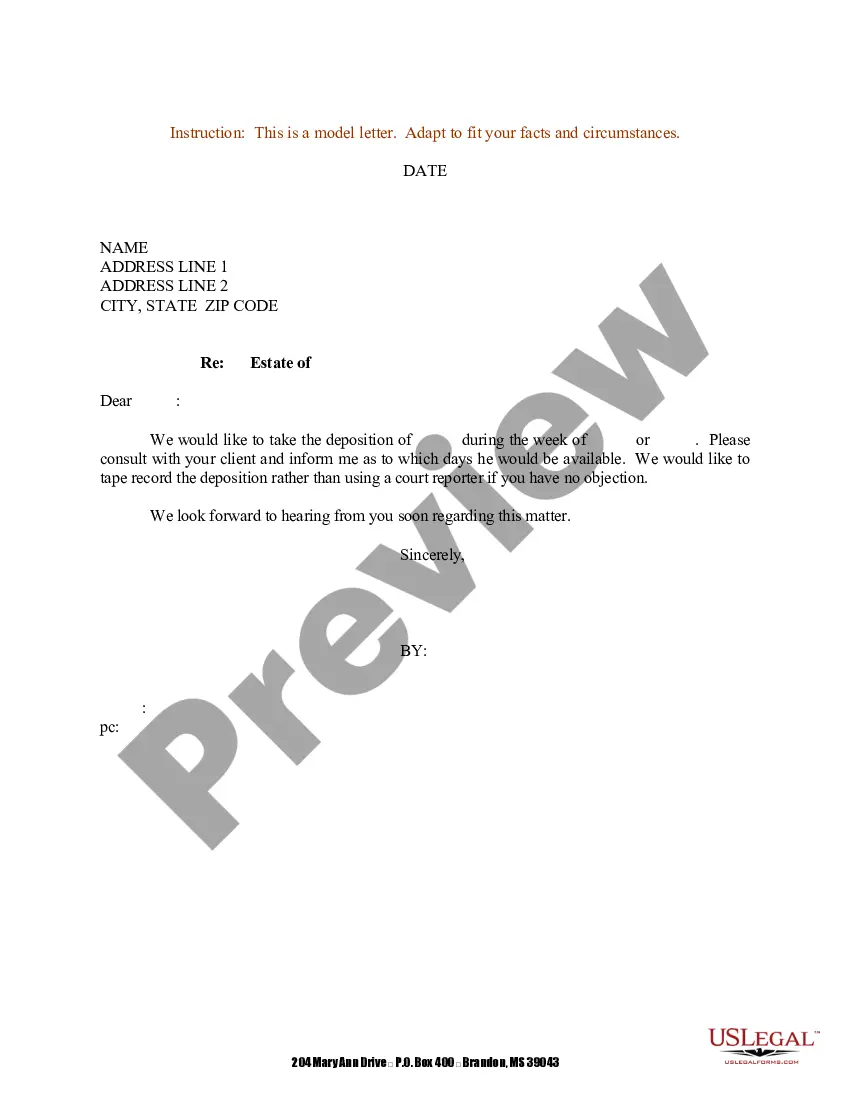
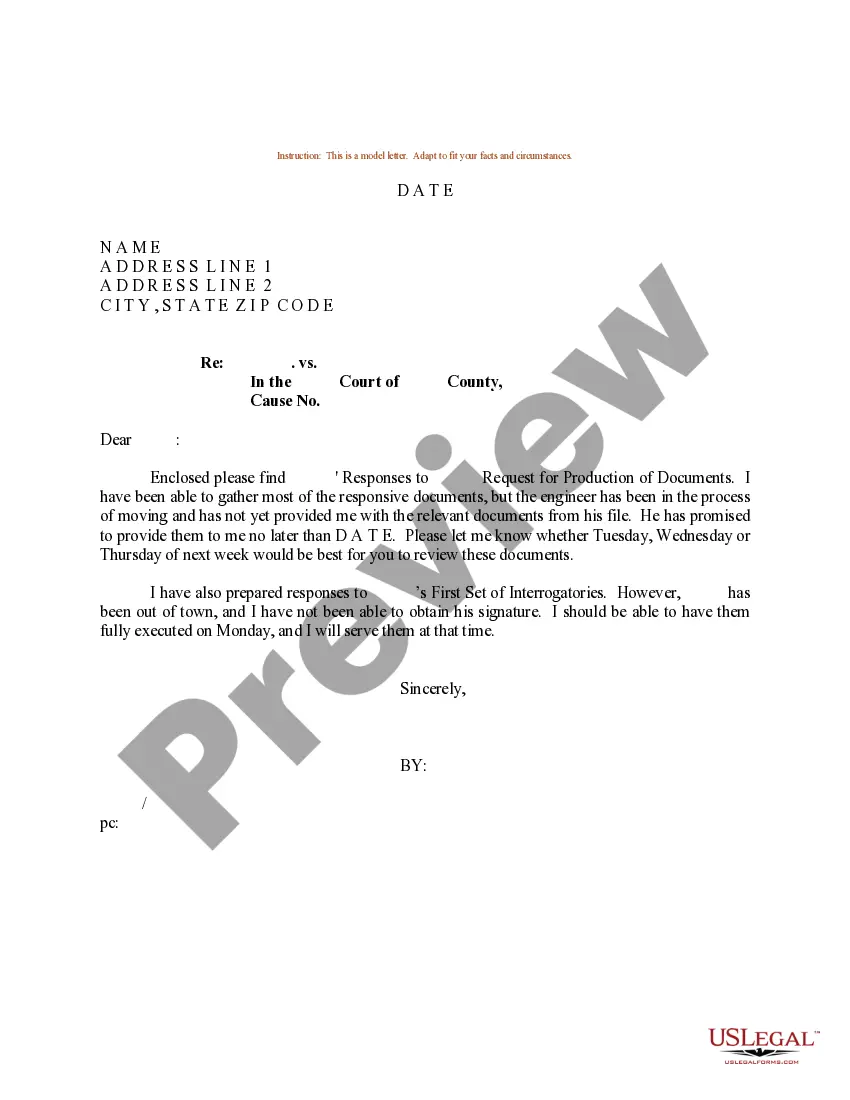
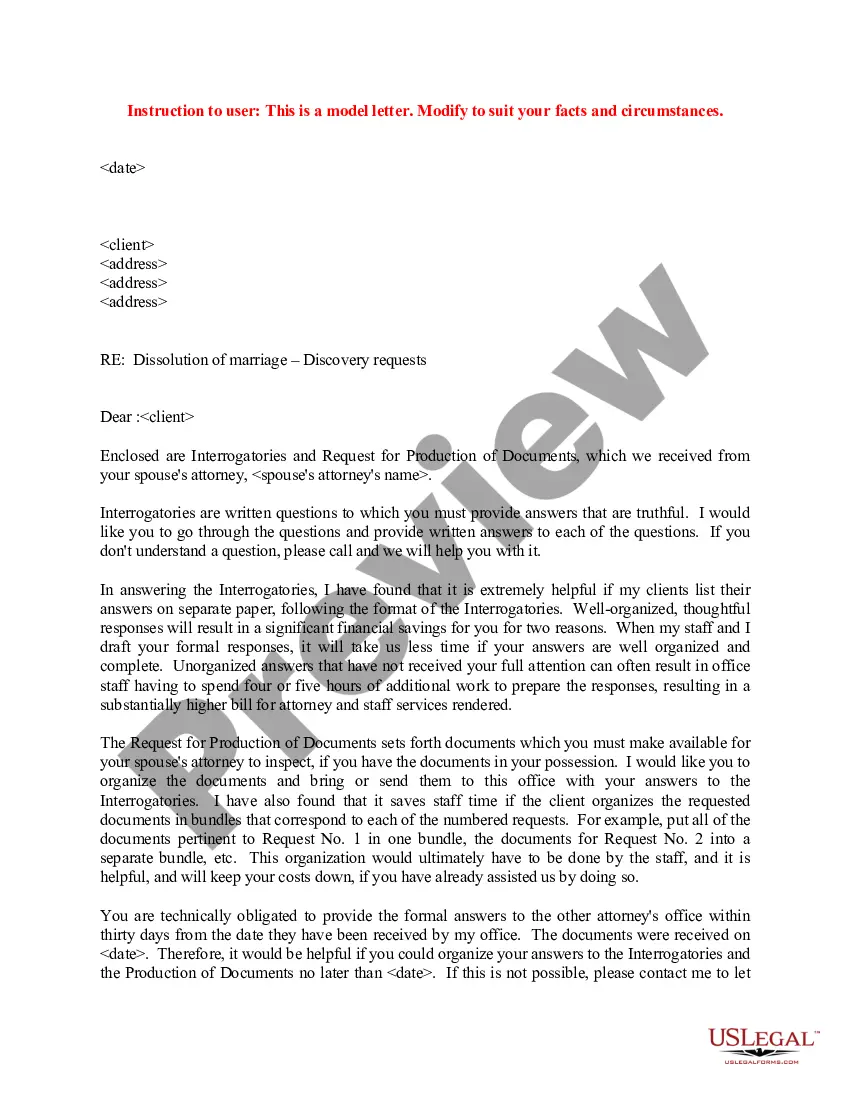
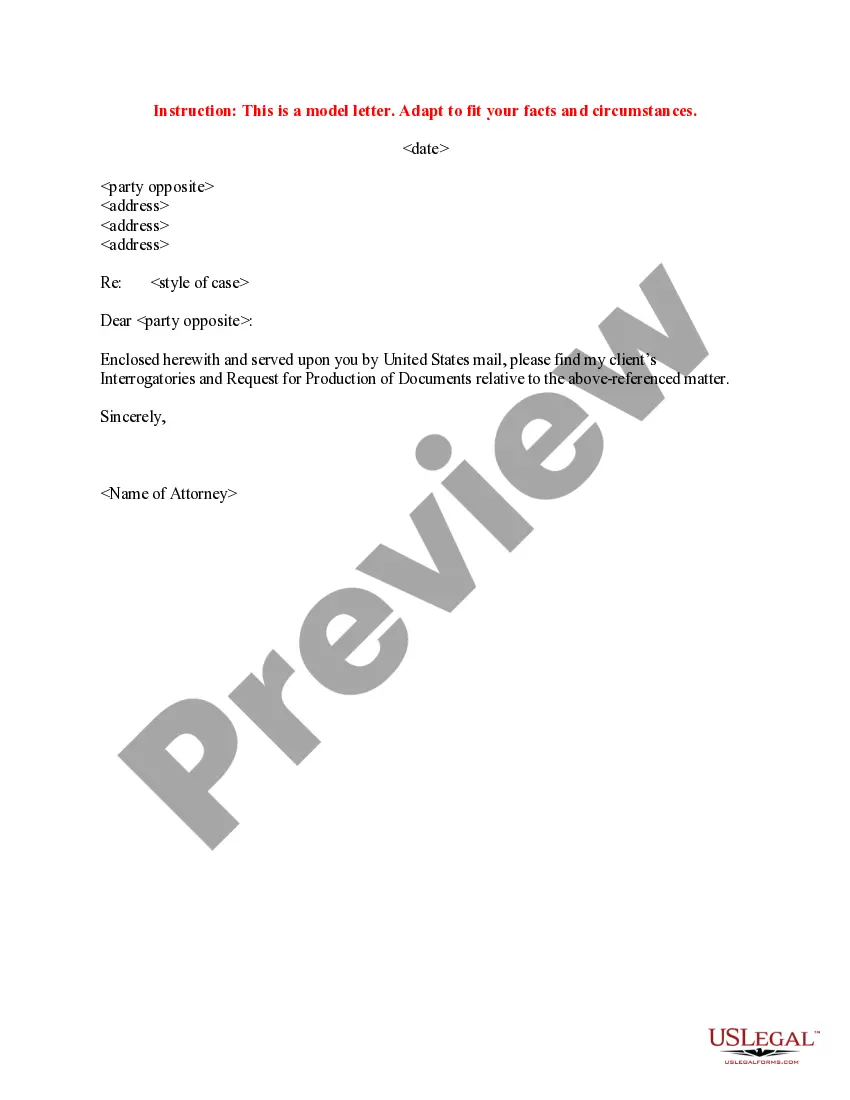
Get your form ready online
Our built-in tools help you complete, sign, share, and store your documents in one place.
Make edits, fill in missing information, and update formatting in US Legal Forms—just like you would in MS Word.
Download a copy, print it, send it by email, or mail it via USPS—whatever works best for your next step.
Sign and collect signatures with our SignNow integration. Send to multiple recipients, set reminders, and more. Go Premium to unlock E-Sign.
If this form requires notarization, complete it online through a secure video call—no need to meet a notary in person or wait for an appointment.
We protect your documents and personal data by following strict security and privacy standards.

Make edits, fill in missing information, and update formatting in US Legal Forms—just like you would in MS Word.

Download a copy, print it, send it by email, or mail it via USPS—whatever works best for your next step.

Sign and collect signatures with our SignNow integration. Send to multiple recipients, set reminders, and more. Go Premium to unlock E-Sign.

If this form requires notarization, complete it online through a secure video call—no need to meet a notary in person or wait for an appointment.

We protect your documents and personal data by following strict security and privacy standards.
Looking for another form?







How to fill out Sample Letter Requesting Answers To Discovery Material?
It’s widely recognized that becoming a legal expert doesn’t happen instantly, and you cannot learn to swiftly draft a Requesting Discovery Form Without A Lawyer without possessing a specific skill set.
Creating legal documents is an extensive undertaking that necessitates specialized education and abilities. Therefore, why not entrust the compilation of the Requesting Discovery Form Without A Lawyer to the professionals.
With US Legal Forms, which boasts one of the largest selections of legal templates, you can access everything from court documents to templates for internal business communication. We understand the significance of compliance with federal and state laws and regulations.
You can access your documents again from the My documents section at any time. If you are a returning customer, you can easily Log In to find and download the template from the same section.
Regardless of the intent behind your documents—be it financial, legal, or personal—our website has everything you need. Give US Legal Forms a try today!
- Explore the form you are looking for by utilizing the search tool at the top of the website.
- View it (if this option is available) and review the accompanying description to determine if the Requesting Discovery Form Without A Lawyer meets your needs.
- If you require a different template, restart your search.
- Create a complimentary account and choose a subscription plan to purchase the template.
- Click on Buy now. Once the payment is completed, you can obtain the Requesting Discovery Form Without A Lawyer, complete it, print it, and send or mail it to the appropriate parties or organizations.
Form popularity
FAQ
Discovery may be carried out by directly asking a person questions (oral depositions), by sending a person written questions (interrogatories and depositions on written questions), and by requesting that the person provide documents (motions for production, subpoenas duces tecum).
Read each question (interrogatory) very carefully. Answer only the question that is asked, and avoid the temptation to over-explain your answer. If the question contains several parts, you may break your answer into parts as well. It is also possible that you might object to the question.
Ask probing questions instead of yes/no questions You'll get much more information by asking open-ended questions. Instead of ?Is your team made up of SDRs and AEs??, ask: ?Can you tell me about your team's structure?? That said, sometimes customers aren't sure how to answer an open-ended question like this.
Write out each fact you wish the other party to admit is true. When writing these facts, be as clear and concise as possible. Each request must be for a single fact; do not include multiple facts, compound questions, or subparts.
Follow these steps to begin discovery in justice court: Step 1: Prepare and exchange your initial disclosures. Within thirty days after the defendant files his answer, the plaintiff and defendant must exchange: ... Step 2: File the early case conference report. ... Step 3: Ask the court to allow more discovery if you want it.
