Requesting Discovery Form With Court In Queens
Description
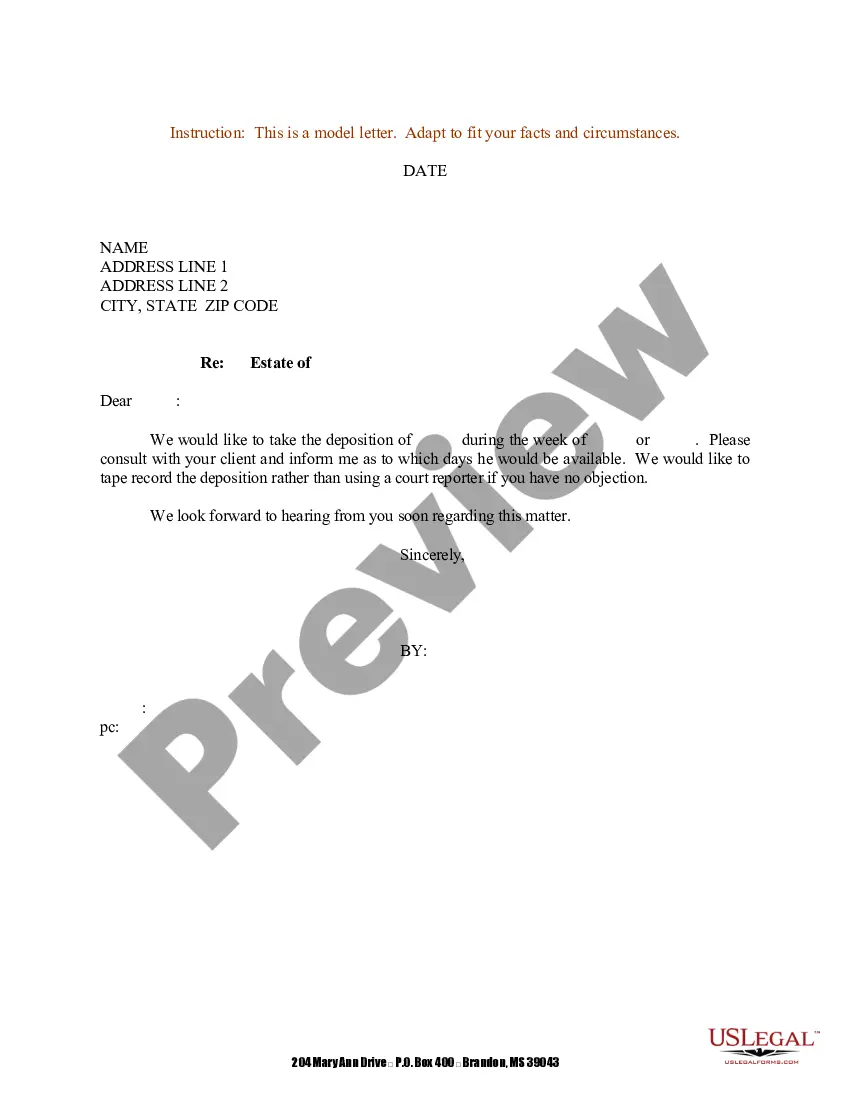
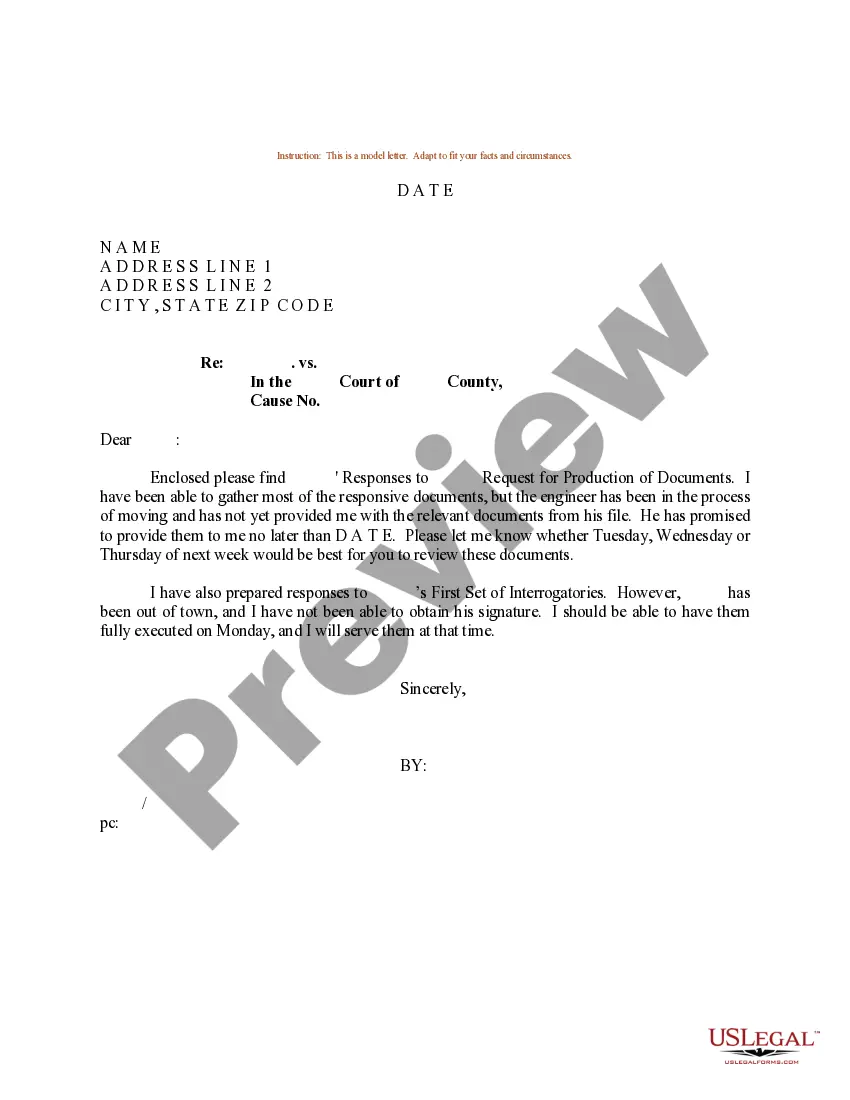
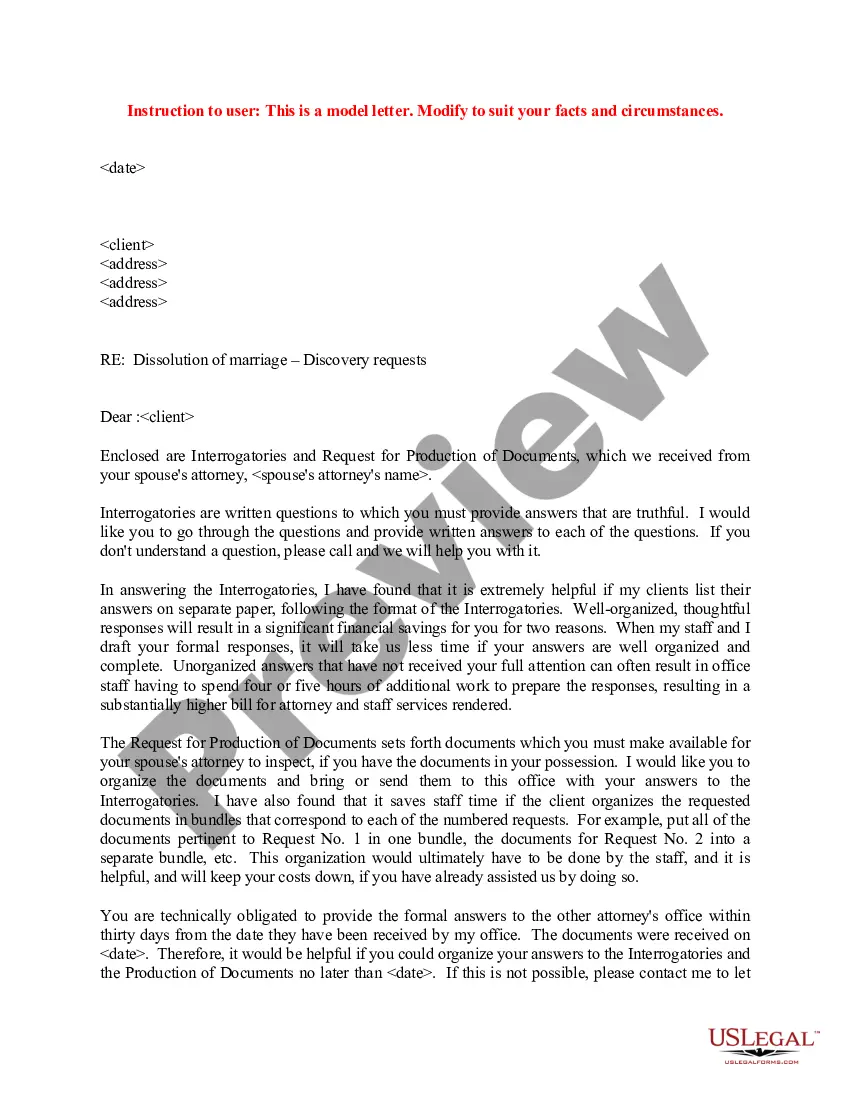
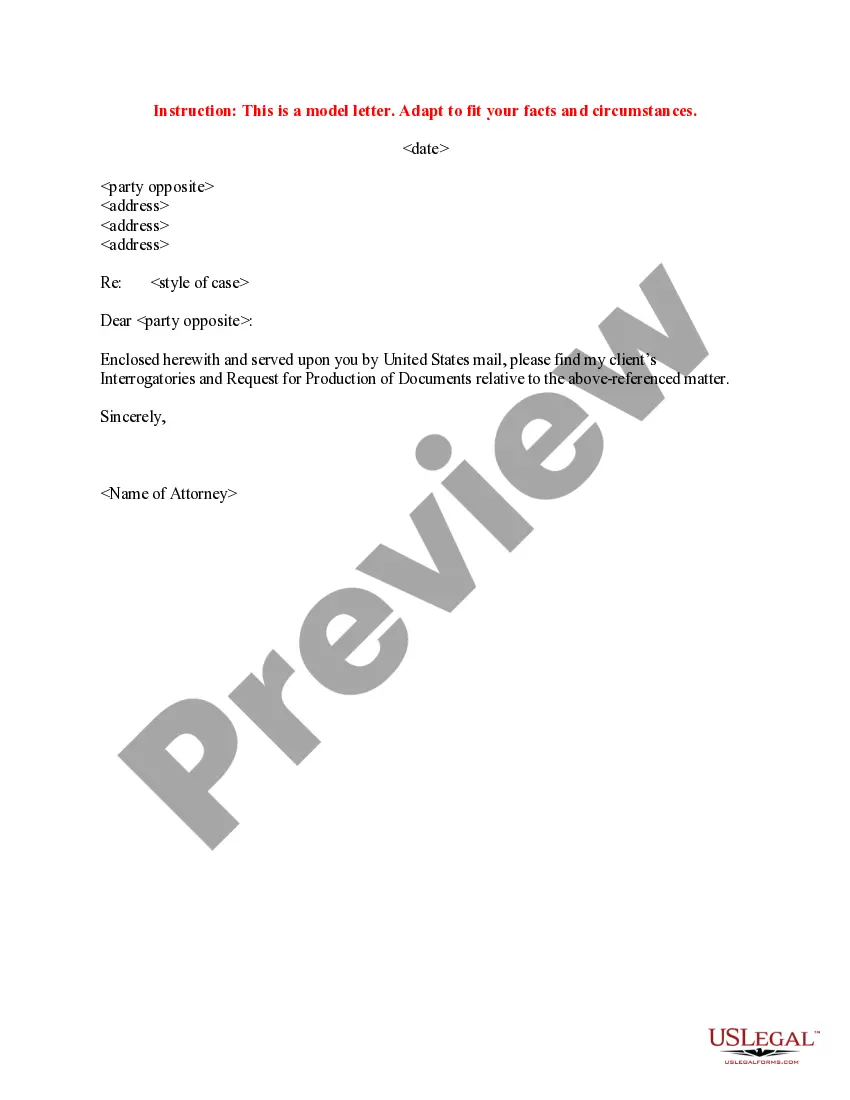
Get your form ready online
Our built-in tools help you complete, sign, share, and store your documents in one place.
Make edits, fill in missing information, and update formatting in US Legal Forms—just like you would in MS Word.
Download a copy, print it, send it by email, or mail it via USPS—whatever works best for your next step.
Sign and collect signatures with our SignNow integration. Send to multiple recipients, set reminders, and more. Go Premium to unlock E-Sign.
If this form requires notarization, complete it online through a secure video call—no need to meet a notary in person or wait for an appointment.
We protect your documents and personal data by following strict security and privacy standards.

Make edits, fill in missing information, and update formatting in US Legal Forms—just like you would in MS Word.

Download a copy, print it, send it by email, or mail it via USPS—whatever works best for your next step.

Sign and collect signatures with our SignNow integration. Send to multiple recipients, set reminders, and more. Go Premium to unlock E-Sign.

If this form requires notarization, complete it online through a secure video call—no need to meet a notary in person or wait for an appointment.

We protect your documents and personal data by following strict security and privacy standards.
Looking for another form?



Form popularity
FAQ
Traffic Ticket Defenses that Can Succeed Show That a Necessary Element of the Traffic Offense Is Missing. Challenge the Officer's Subjective Conclusion. Challenge the Officer's Observation of What Happened. Prove Your Conduct Was Based on a Legitimate "Mistake of Fact" ... Prove Your Conduct Was Necessary to Avoid Serious Harm.
Traffic Court Discovery Request Should Normally be in Writing. To discover the officer's notes or other documents in a traffic case, you must make a specific written request for the disclosure of all notes or documents relevant to your case.
Their case in their own mind. It's going to make them more confident in the validity of theirMoreTheir case in their own mind. It's going to make them more confident in the validity of their evidence. And it's a statement that you can be cross-examined. On if you then later came to court.
How Long Is the Discovery Phase in a Lawsuit? The length of the discovery phase varies depending on the case's complexity, the amount of evidence to be collected, and the level of cooperation between the parties. In personal injury cases, the discovery process can last anywhere from a few months to over a year.
Generally, discovery requests should be sent to the law enforcement agency that issued the ticket, the prosecuting attorney (in jurisdictions that use prosecutors in traffic court), and to the traffic court clerk.
You have 30 days to serve a written response to a request for admission, but you may ask the other party for more time. If the other party declines, you may write to the judge to ask for an extension of time. You may admit the matter, specifically deny it, or state in detail why you cannot truthfully admit or deny it.
Discovery generally begins after the defendant files an answer, the parties hold a discovery planning conference, and the judge issues a scheduling order. The discovery process is designed to go forward between the parties with minimal court involvement.
How Does Discovery Work? There are four main types of discovery requests: (1) depositions; (2) interrogatories; (3) requests for admissions; and (4) requests for the production of documents. Depositions are formal witness interviews.
Discovery is the formal process by which the parties to a case in court exchange information about the case. This includes information about the witnesses and evidence to be presented at trial. Its purpose is to make the parties aware of the evidence which may be presented at trial.
There are four phases of product discovery: Learn & understand. Define & decide. Ideate & prioritize. Prototype & test.

