Requesting Discovery Form Withdrawal In Philadelphia
Description
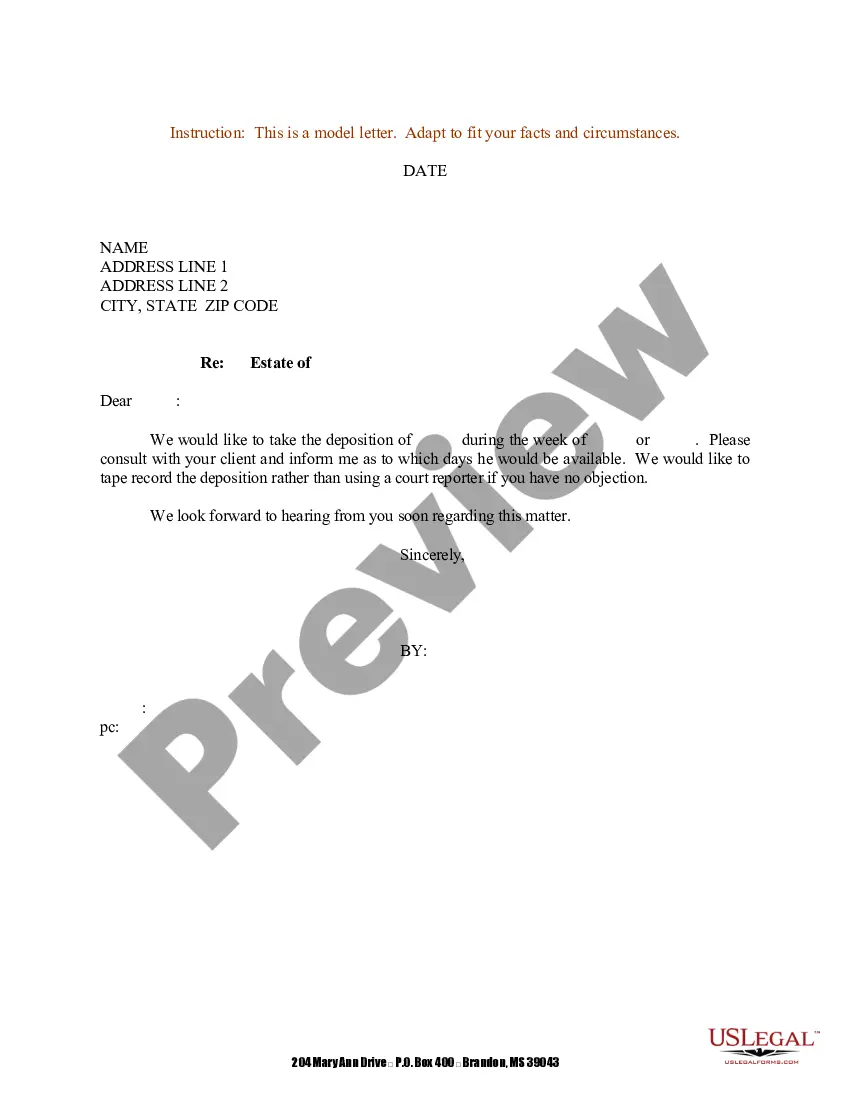
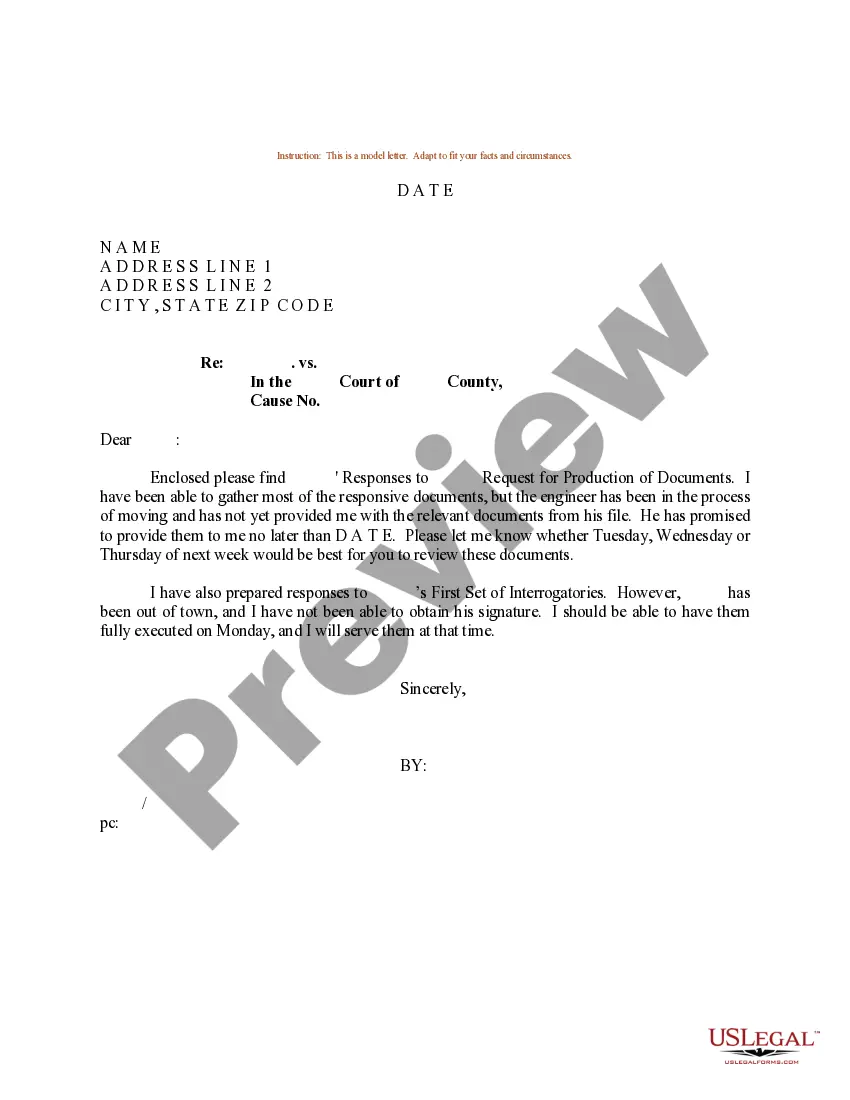
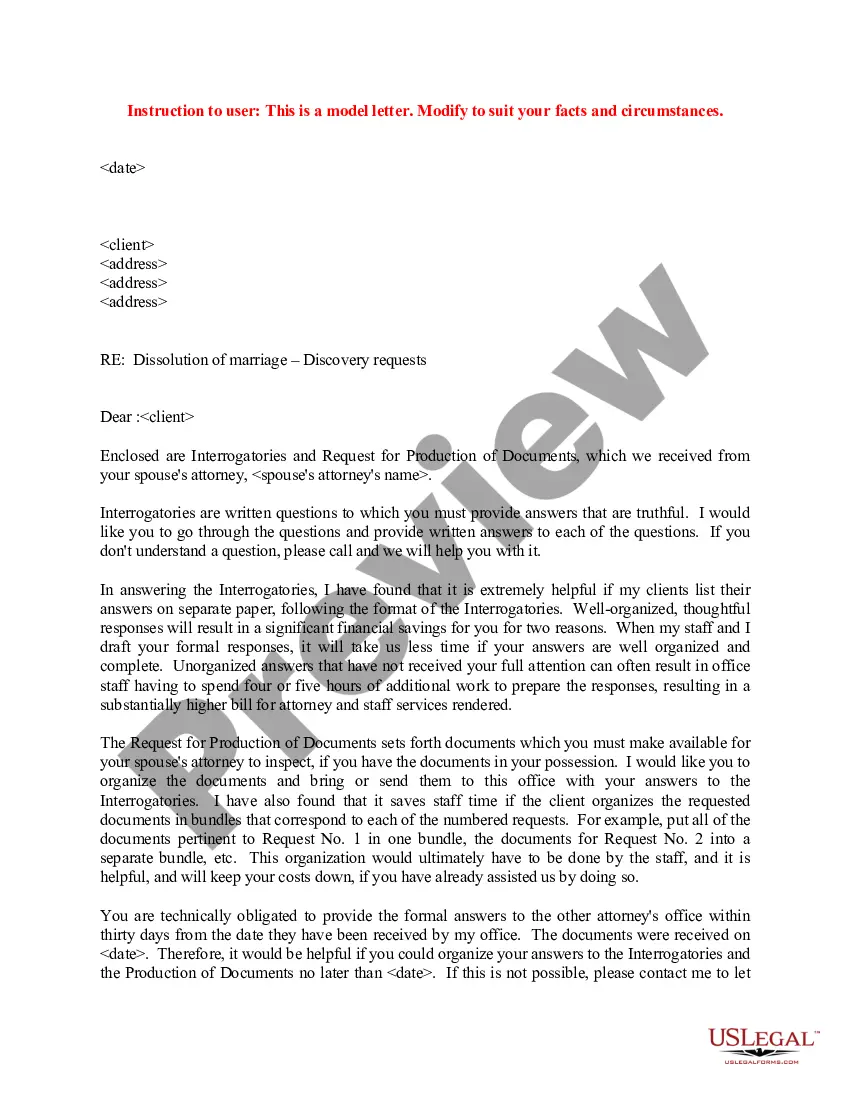
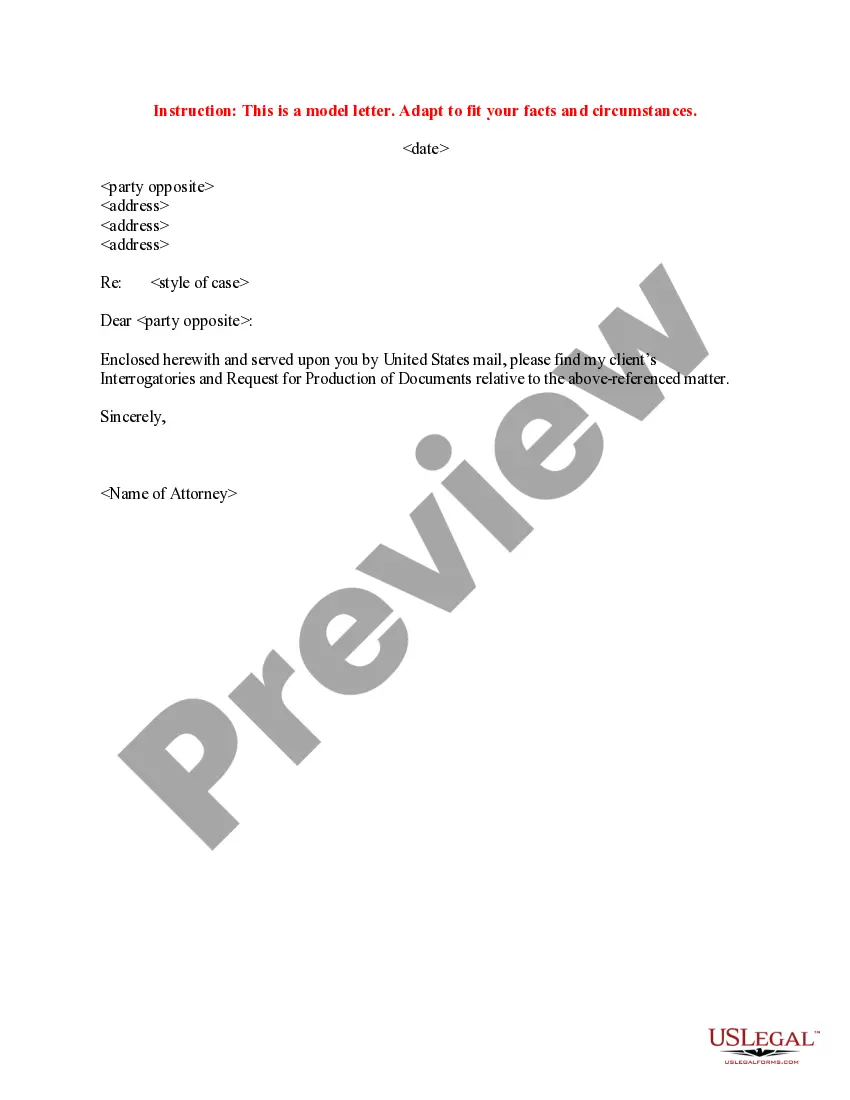
Get your form ready online
Our built-in tools help you complete, sign, share, and store your documents in one place.
Make edits, fill in missing information, and update formatting in US Legal Forms—just like you would in MS Word.
Download a copy, print it, send it by email, or mail it via USPS—whatever works best for your next step.
Sign and collect signatures with our SignNow integration. Send to multiple recipients, set reminders, and more. Go Premium to unlock E-Sign.
If this form requires notarization, complete it online through a secure video call—no need to meet a notary in person or wait for an appointment.
We protect your documents and personal data by following strict security and privacy standards.

Make edits, fill in missing information, and update formatting in US Legal Forms—just like you would in MS Word.

Download a copy, print it, send it by email, or mail it via USPS—whatever works best for your next step.

Sign and collect signatures with our SignNow integration. Send to multiple recipients, set reminders, and more. Go Premium to unlock E-Sign.

If this form requires notarization, complete it online through a secure video call—no need to meet a notary in person or wait for an appointment.

We protect your documents and personal data by following strict security and privacy standards.
Looking for another form?









Form popularity
FAQ
Rule 1028 - Preliminary Objections (a) Preliminary objections may be filed by any party to any pleading and are limited to the following grounds: (1) lack of jurisdiction over the subject matter of the action or the person of the defendant, improper venue or improper form or service of a writ of summons or a complaint; ...
Briefs or memoranda of law shall be typewritten, printed or otherwise duplicated, and endorsed with the name of the case, the court term and number, and the name, address, and electronic mail address of the attorney or the party if not represented by an attorney.
Rule 313 - Collateral Orders (a)General Rule An appeal may be taken as of right from a collateral order of a trial court or other government unit.
Rule 1301 - Compulsory Arbitration: Cases Covered (a) Any civil action where the amount in controversy is Fifty Thousand ($50,000) Dollars or less and title to real estate is not involved, shall be submitted to compulsory arbitration pursuant to 7361 of the Judicial Code, 42 Pa. C.S.
Philadelphia Civil Rule 1303(c) sets forth the procedures to be followed for continuances of arbitration cases in both non-emergency and emergency situations.
Any other party may subpoena a person whose testimony is waived by this Rule to appear at the trial and may cross-examine him as to the documents as if he were a witness for the party offering the document.
(5) For all contested Discovery motions (including third-party motions), the moving party or person shall file a Praecipe for Contested Discovery Motion. The praecipe shall identify the e-file number, and identify the party or parties against whom the motion is pending, with the relief sought.
Current Rule 234.3 provides that a party shall be served a notice to attend reasonably in advance of the date the party is required to attend and testify. Current Rule 234.1, on the other hand, is silent as to when a non-party witness should be served a subpoena before attendance is required.

