Requesting Discovery Form With Attorney In Pennsylvania
Description
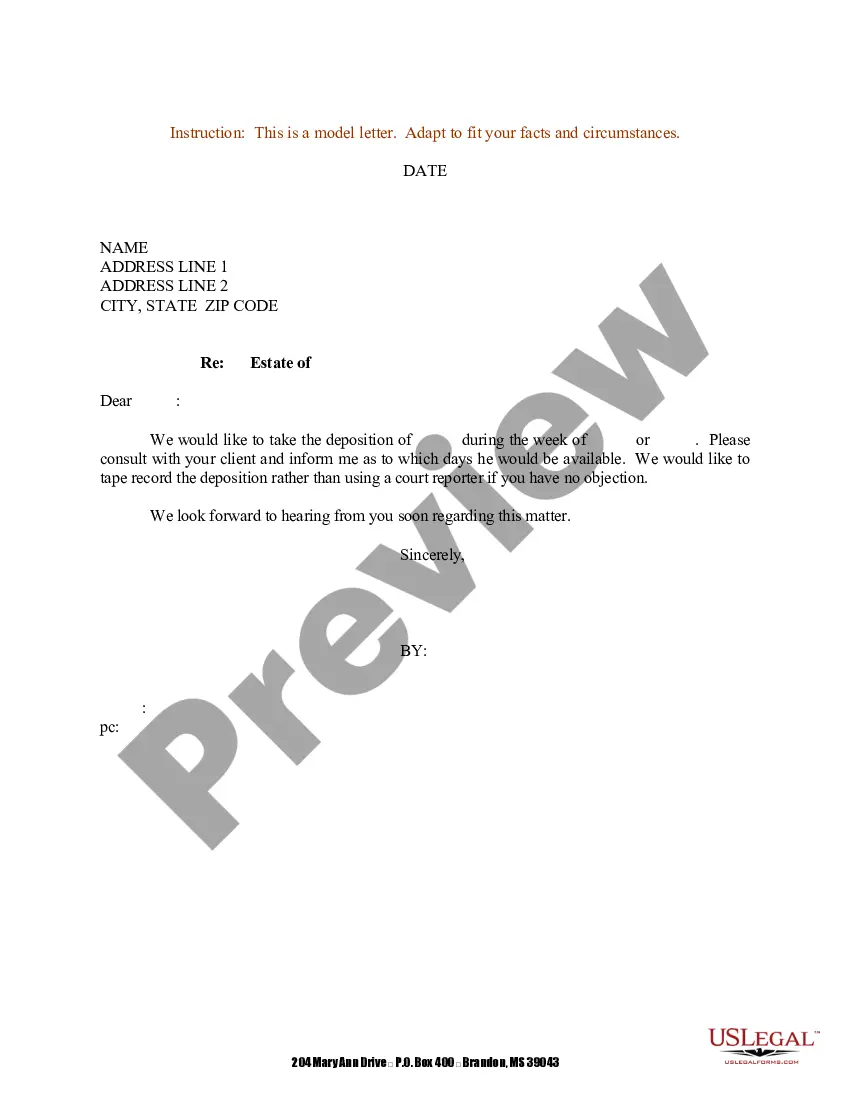
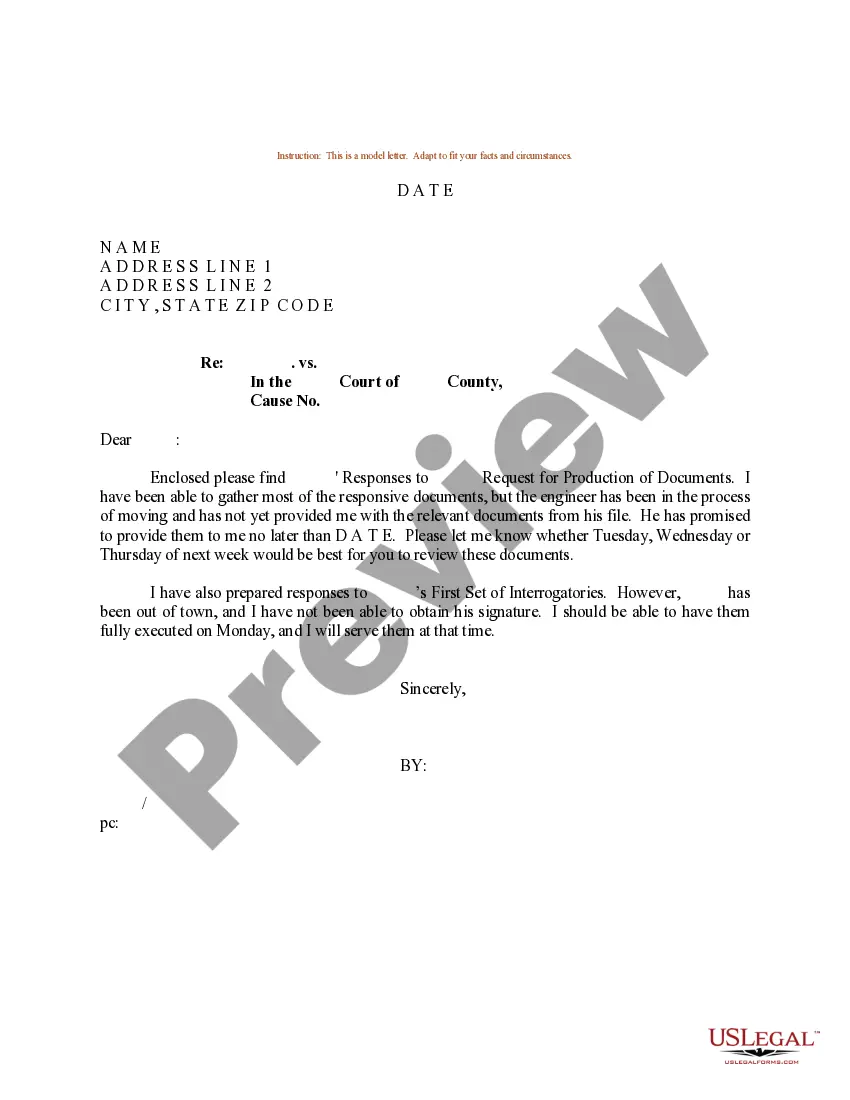
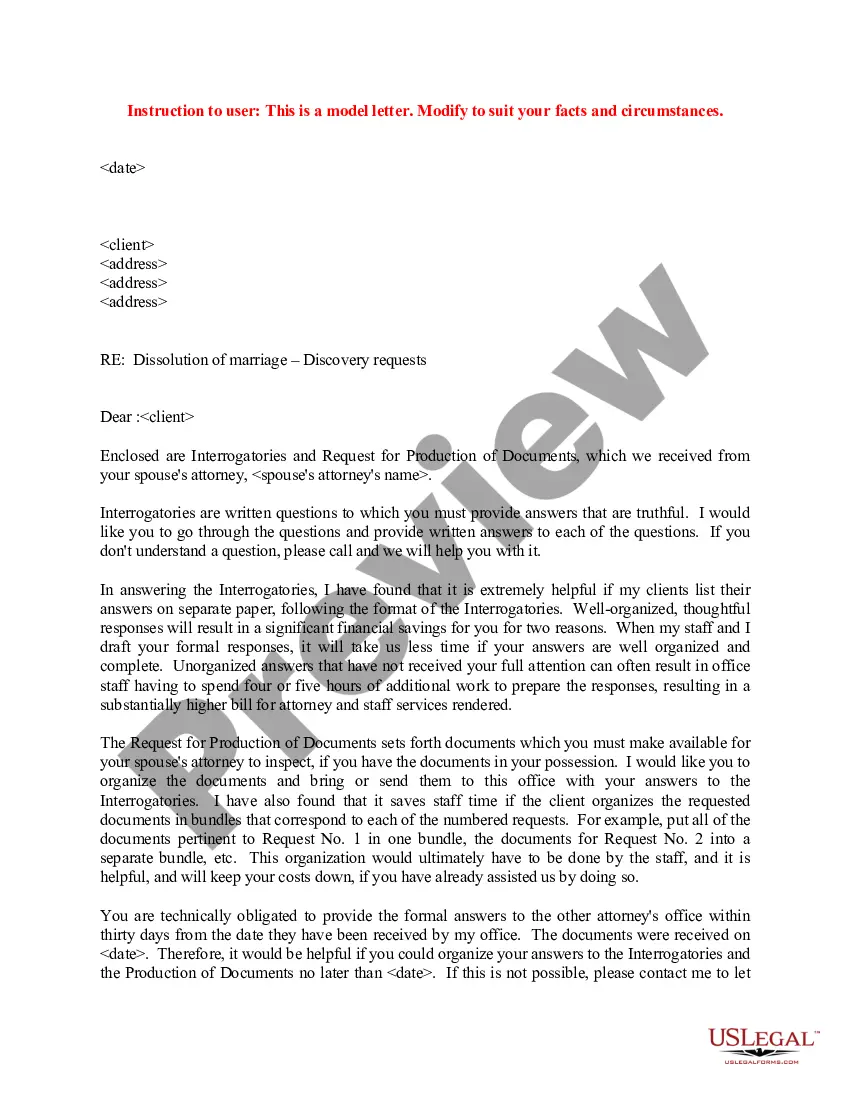
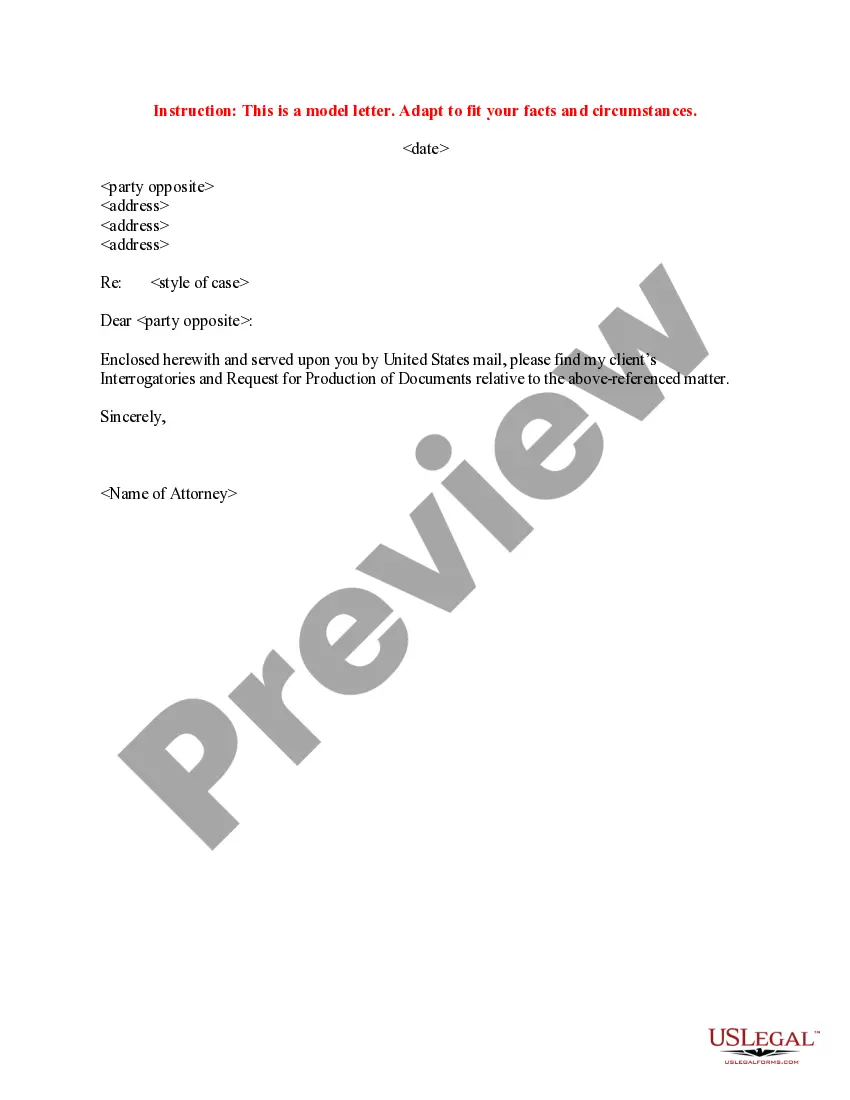
Get your form ready online
Our built-in tools help you complete, sign, share, and store your documents in one place.
Make edits, fill in missing information, and update formatting in US Legal Forms—just like you would in MS Word.
Download a copy, print it, send it by email, or mail it via USPS—whatever works best for your next step.
Sign and collect signatures with our SignNow integration. Send to multiple recipients, set reminders, and more. Go Premium to unlock E-Sign.
If this form requires notarization, complete it online through a secure video call—no need to meet a notary in person or wait for an appointment.
We protect your documents and personal data by following strict security and privacy standards.

Make edits, fill in missing information, and update formatting in US Legal Forms—just like you would in MS Word.

Download a copy, print it, send it by email, or mail it via USPS—whatever works best for your next step.

Sign and collect signatures with our SignNow integration. Send to multiple recipients, set reminders, and more. Go Premium to unlock E-Sign.

If this form requires notarization, complete it online through a secure video call—no need to meet a notary in person or wait for an appointment.

We protect your documents and personal data by following strict security and privacy standards.
Looking for another form?








Form popularity
FAQ
Discovery requests typically follow a common format that you can mirror. First, list instructions detailing the request for production. Be sure to mention Rule 34 and Rule 26(b), which outline the scope of the discovery request. It's also necessary to include a section with definitions.
Steps Of The Discovery Process. There are four key actions in the discovery process which include interrogatories, request for documents, request for admissions, and depositions.
Under the Pennsylvania statute of limitations, a plaintiff must bring a medical negligence claim within two years after an injury occurs. There is an exception, deemed the “discovery rule,” which allows extra time to file the claim if the plaintiff was unaware of the injury until after two years had passed.
In the United States, there are five basic forms of discovery: depositions, interrogatories, requests for production of documents (or permission to inspect), physical and mental examinations, and requests for admission.
Here are some of the things lawyers often ask for in discovery: anything a witness or party saw, heard, or did in connection with the dispute. anything anyone said at a particular time and place (for example, in a business meeting related to the dispute or after a car accident that turned into a lawsuit)
The first phase of the discovery process is the written discovery phase. During this phase, your attorney may send and receive requests to produce documents, requests for admissions of facts, and written interrogatories.
Those reasons include a court's crowded docket (which at one time was getting better, but progress was derailed by COVID-19 and is now worse than ever), the limited number of available judges, budgetary constraints, pre-trial challenges regarding the sufficiency of the complaint or the validity of the cause of action, ...
The Benefits of Discovery for Both Plaintiffs and Defendants Helps plaintiffs and defendants understand the legal issues at play in the case and better prepare for trial. During discovery, each party can obtain facts from the other through requests for admission, interrogatories, documents, depositions, and more.
The discovery phase in personal injury cases can take months or even years. The parties to the case have a right to evidence that will help them prove their case. Discovery allows both sides to interview potential witnesses and review potential evidence that may be helpful or harmful to their case.
Steps Of The Discovery Process. There are four key actions in the discovery process which include interrogatories, request for documents, request for admissions, and depositions.

