Requesting Discovery Form For Personal Injury Courts In Pennsylvania
Description
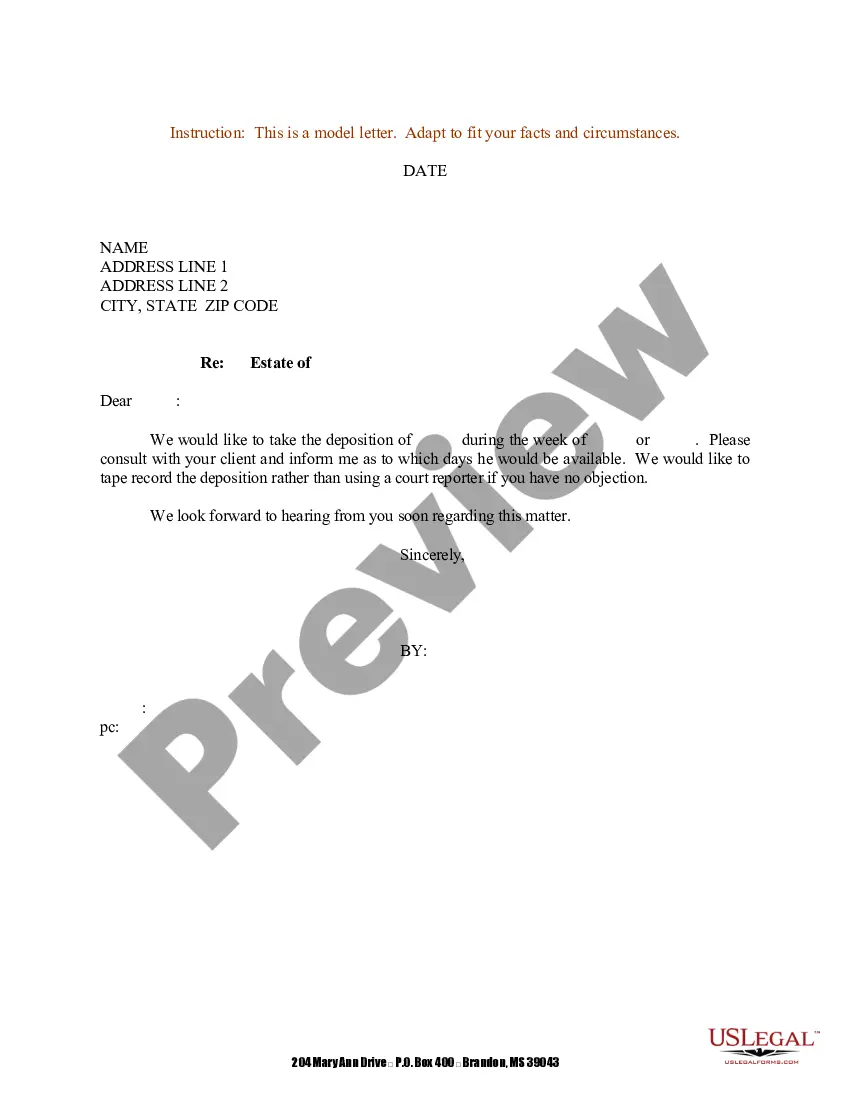
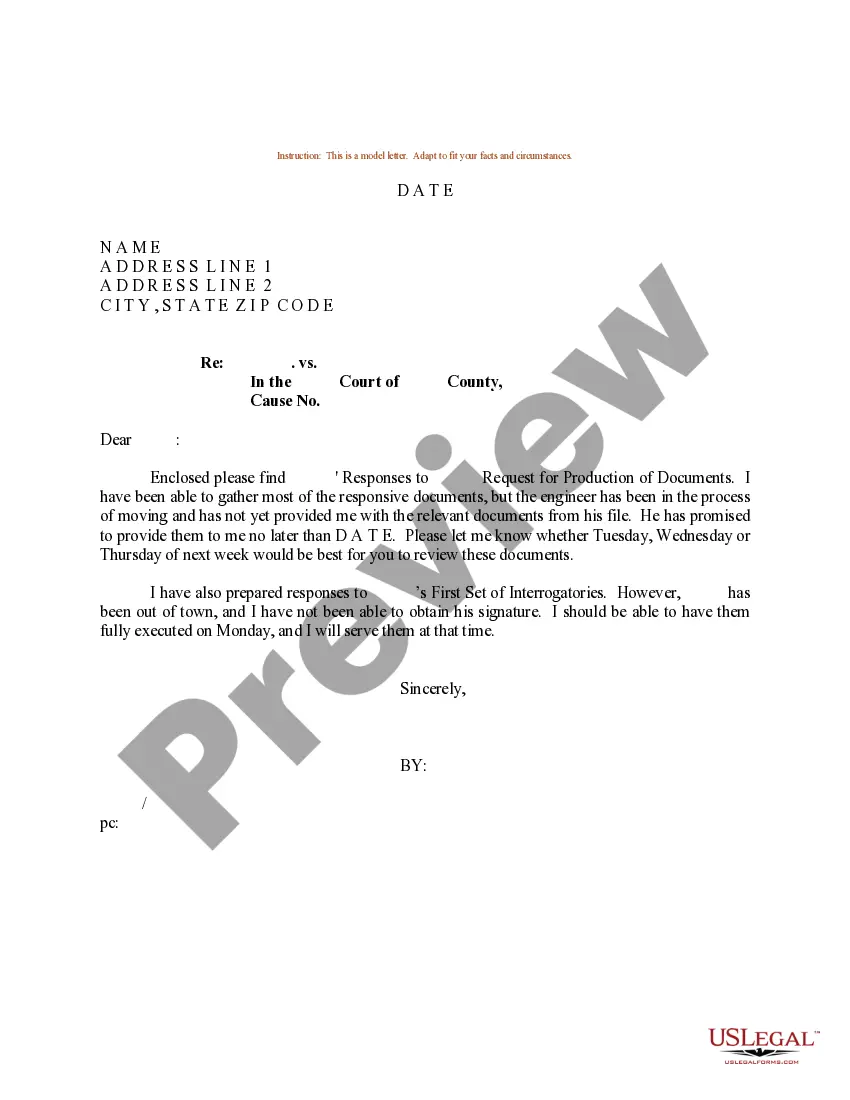
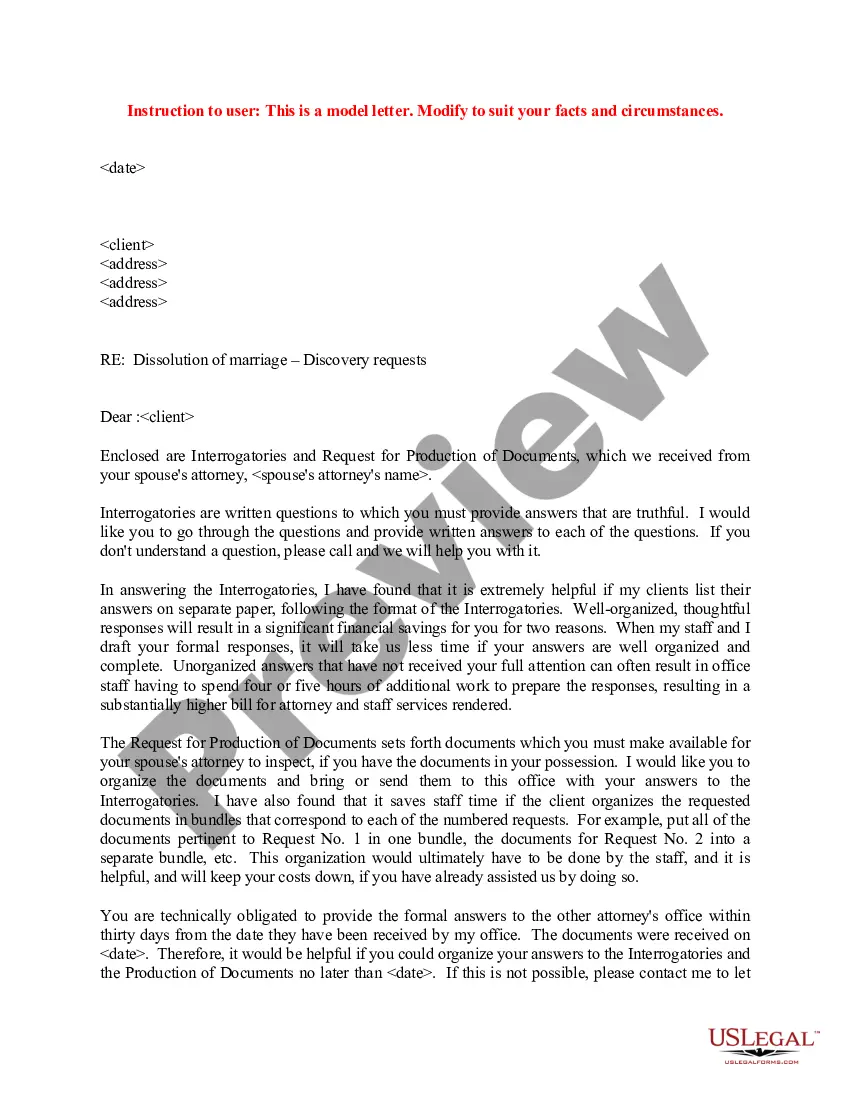
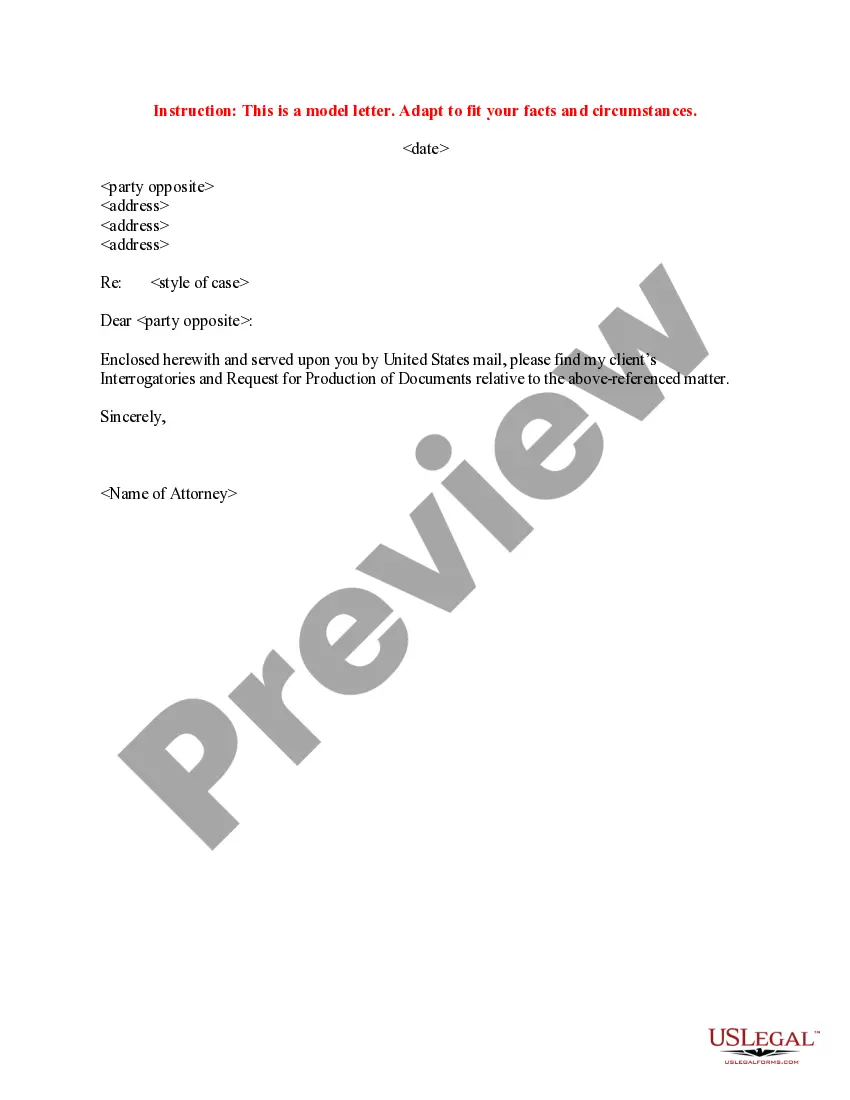
Get your form ready online
Our built-in tools help you complete, sign, share, and store your documents in one place.
Make edits, fill in missing information, and update formatting in US Legal Forms—just like you would in MS Word.
Download a copy, print it, send it by email, or mail it via USPS—whatever works best for your next step.
Sign and collect signatures with our SignNow integration. Send to multiple recipients, set reminders, and more. Go Premium to unlock E-Sign.
If this form requires notarization, complete it online through a secure video call—no need to meet a notary in person or wait for an appointment.
We protect your documents and personal data by following strict security and privacy standards.

Make edits, fill in missing information, and update formatting in US Legal Forms—just like you would in MS Word.

Download a copy, print it, send it by email, or mail it via USPS—whatever works best for your next step.

Sign and collect signatures with our SignNow integration. Send to multiple recipients, set reminders, and more. Go Premium to unlock E-Sign.

If this form requires notarization, complete it online through a secure video call—no need to meet a notary in person or wait for an appointment.

We protect your documents and personal data by following strict security and privacy standards.
Looking for another form?





Form popularity
FAQ
After a lawsuit is filed in court, "Discovery" is the time in a California personal injury for both sides (injured party and defense) to discover evidence that may help their case in anticipation of a jury trial, arbitration, or even a settlement mediation.
Under the discovery rule, the statute of limitations starts to run at the time the plaintiff either knew or could have reasonably ascertained that they had an injury caused by negligence. The law requires that the patient be “reasonably diligent” in finding out about their injury.
The Discovery Rule states that the two-year timeline to act begins after the proper diagnosis is given or discovered, but does not state that a victim must be aware of malpractice or misdiagnosis for that timetable to begin. A great example of this is a 1990 PA Superior Court ruling (MacCain v.
Under Rule 4001 et seq. of the Pennsylvania Rules of Civil Procedure, discovery may begin as soon as a lawsuit is filed.
Unless otherwise limited by court order, the scope of discovery is as follows: Parties may obtain discovery regarding any nonprivileged matter that is relevant to any party's claim or defense and proportional to the needs of the case, considering the importance of the issues at stake in the action, the amount in ...
Discovery may be obtained through depositions, written interrogatories, production of documents, physical or mental examinations and requests for admissions. Discovery can be obtained regarding. any matter that is not subject to a privilege (attorney-client privilege or physician-patient privilege for.
(a) Subject to the provisions of Rules 4003.2 to 4003.5 inclusive and Rule 4011, a party may obtain discovery regarding any matter, not privileged, which is relevant to the subject matter involved in the pending action, whether it relates to the claim or defense of the party seeking discovery or to the claim or defense ...
The Pennsylvania Rule derives, naturally enough, from the case of The Pennsylvania19 and creates a presumption that if a party violated a statutory rule designed to prevent collisions from occurring, the party must show that its wrongdoing not only did not cause the accident, but could not have contributed to causing ...
Pennsylvania's Dead Man's Rule, 42 Pa. C.S.A. § 5930, generally speaking, bars any claimant from testifying herself about interactions between the Claimant and a Decedent.

