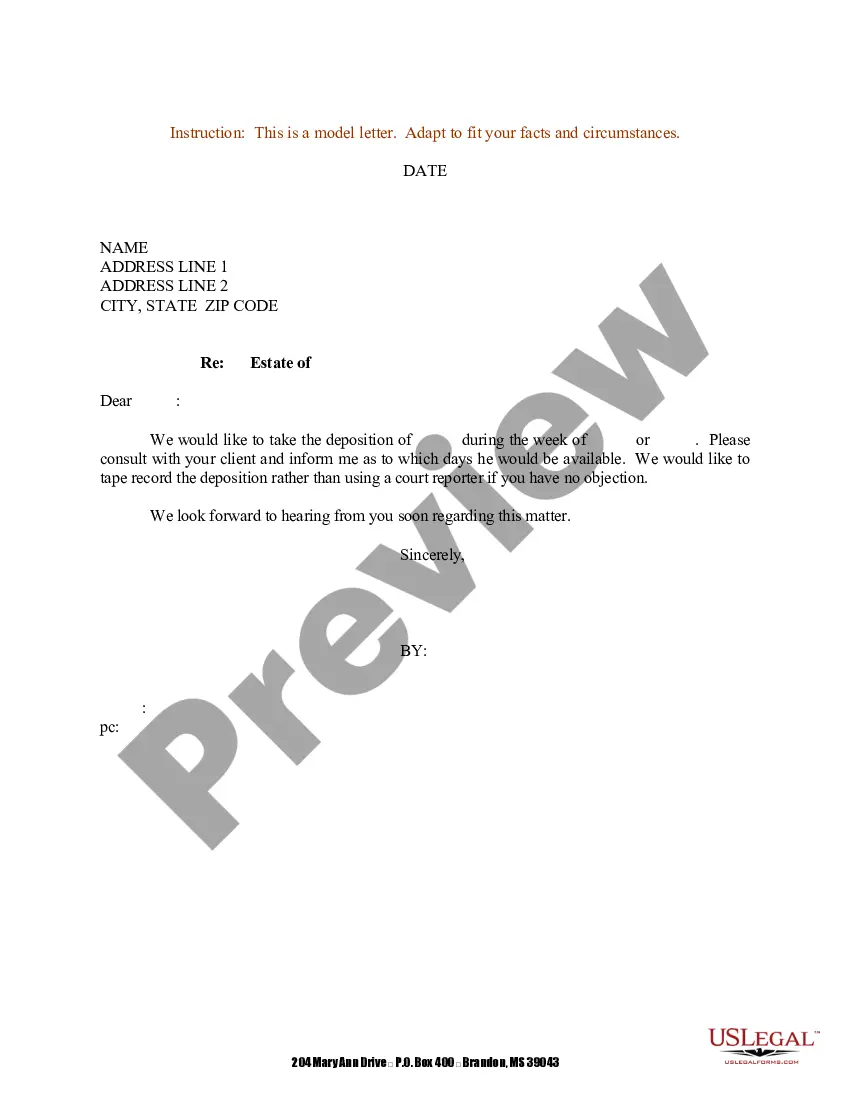
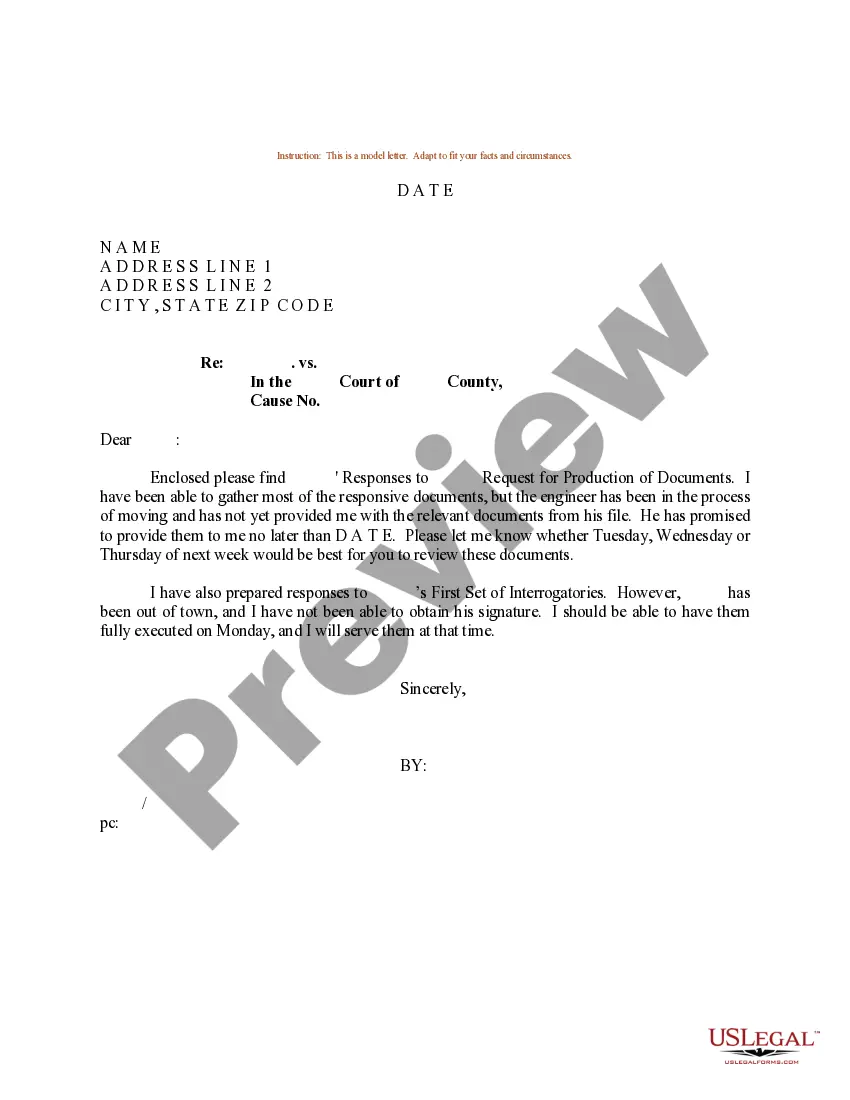
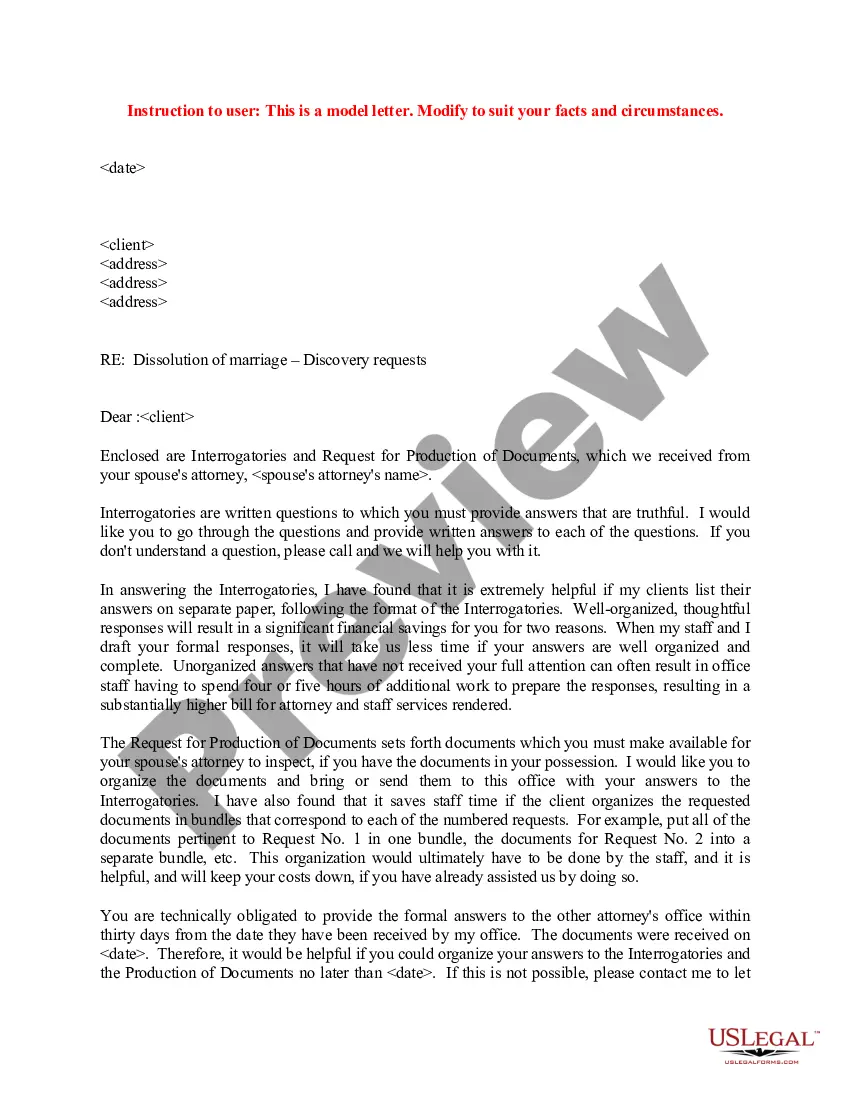
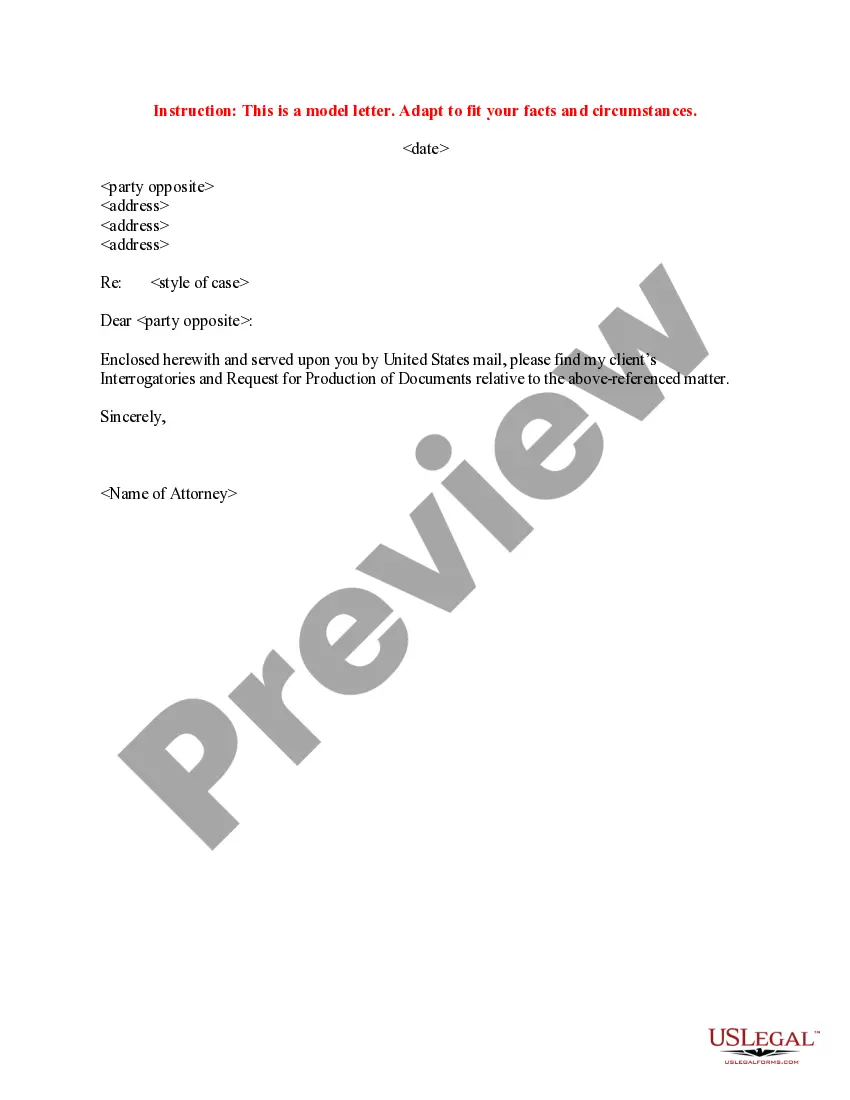
Requesting Discovery Form For Canada In Ohio
Description
Get your form ready online
Our built-in tools help you complete, sign, share, and store your documents in one place.
Make edits, fill in missing information, and update formatting in US Legal Forms—just like you would in MS Word.
Download a copy, print it, send it by email, or mail it via USPS—whatever works best for your next step.
Sign and collect signatures with our SignNow integration. Send to multiple recipients, set reminders, and more. Go Premium to unlock E-Sign.
If this form requires notarization, complete it online through a secure video call—no need to meet a notary in person or wait for an appointment.
We protect your documents and personal data by following strict security and privacy standards.

Make edits, fill in missing information, and update formatting in US Legal Forms—just like you would in MS Word.

Download a copy, print it, send it by email, or mail it via USPS—whatever works best for your next step.

Sign and collect signatures with our SignNow integration. Send to multiple recipients, set reminders, and more. Go Premium to unlock E-Sign.

If this form requires notarization, complete it online through a secure video call—no need to meet a notary in person or wait for an appointment.

We protect your documents and personal data by following strict security and privacy standards.
Looking for another form?









Form popularity
FAQ
In a criminal case, it's usually filed by the legal team representing the person accused of a crime. In a civil case, a motion for discovery is generally filed by the legal team of the person or business being sued.
(3) Answers, objections or other responses to discovery requests shall be served within twenty-eight days after service of such requests unless the board orders or the parties agree to a different period of time.
In effect, once one party demonstrates that evidence within the sole custody of another is “missing,” the burden then shifts to the opposing party to offer a reasonable explanation.
When a person claiming to have a cause of action or a defense to an action commenced against him, without the discovery of a fact from the adverse party, is unable to file his complaint or answer, he may bring an action for discovery, setting forth in his complaint in the action for discovery the necessity and the ...
This rule is to provide all parties in a criminal case with the information necessary for a full and fair adjudication of the facts, to protect the integrity of the justice system and the rights of defendants, and to protect the well-being of witnesses, victims, and society at large.
You use discovery to get information or evidence from the other side in a lawsuit that will help you make your case. In order to get the information you need, you must make a request using a specific procedure and written format, within a specific timeframe.
Rule 26 - General Provisions Governing Discovery (A)Policy; discovery methods It is the policy of these rules (1) to preserve the right of attorneys to prepare cases for trial with that degree of privacy necessary to encourage them to prepare their cases thoroughly and to investigate not only the favorable but the ...
A standard entry on criminal dockets is “Motion for Discovery.” This motion is a tool your criminal defense lawyer uses to access the prosecution's information and evidence against you. Virtually every criminal case that reaches trial will undergo the discovery process.
You or your lawyer may file a motion for discovery to request that the state produce evidence it plans to introduce at trial. Your lawyer needs to know the type of evidence the state will use against you at trial so that they can properly prepare for your case.
Many jurisdictions now offer digital access to discovery documents through court portals or legal service platforms, allowing you to download and review your packet at your convenience.

