Requesting Discovery Form Without A Lawyer In North Carolina
Description
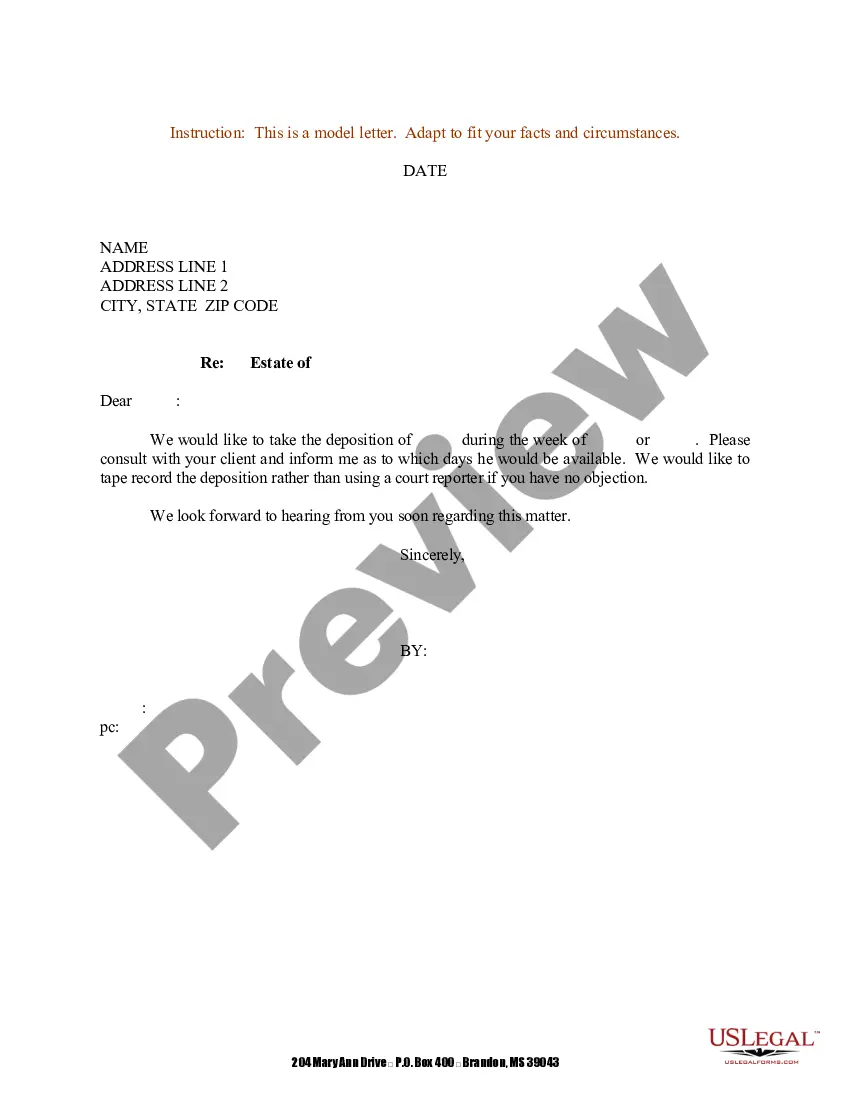
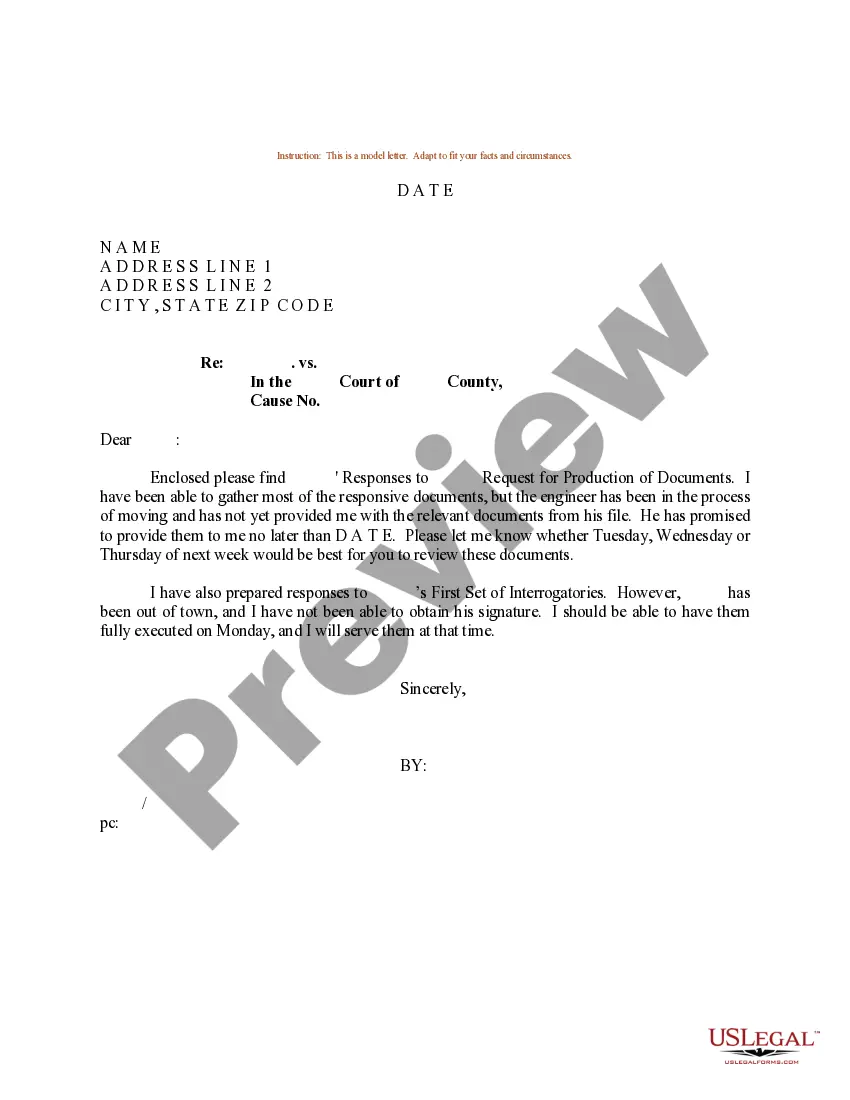
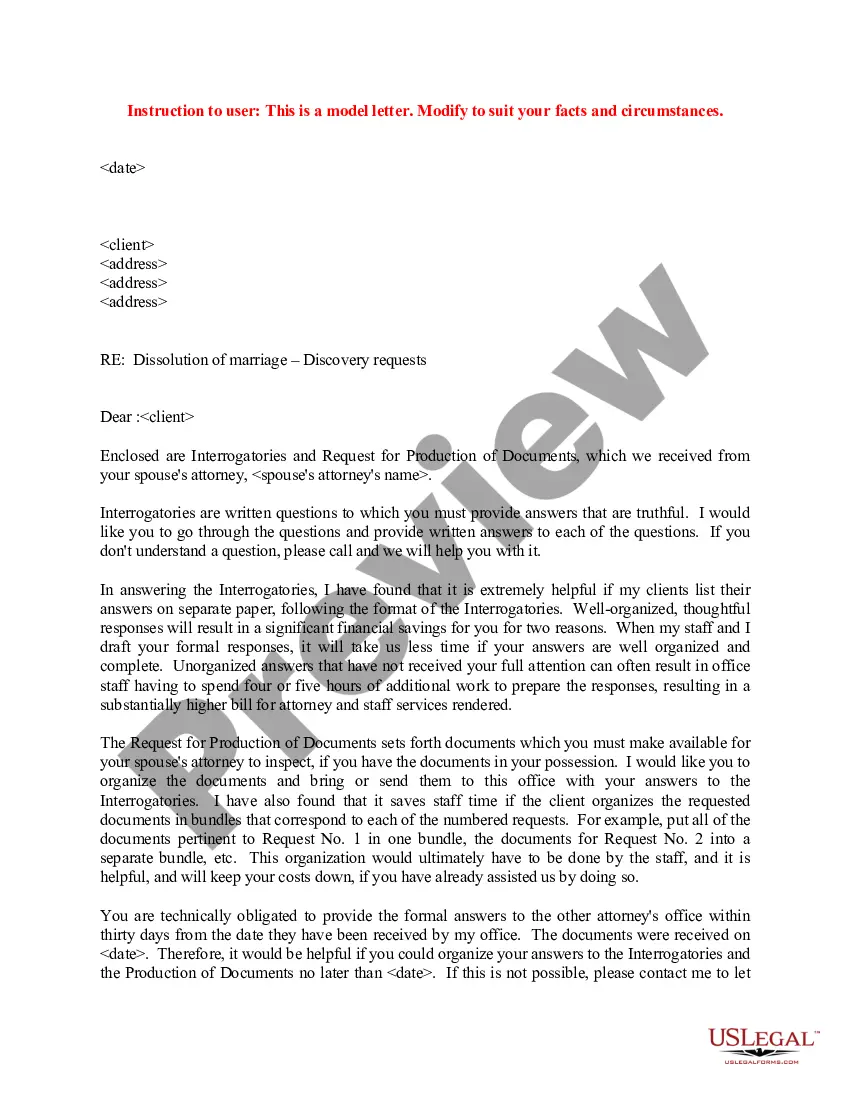
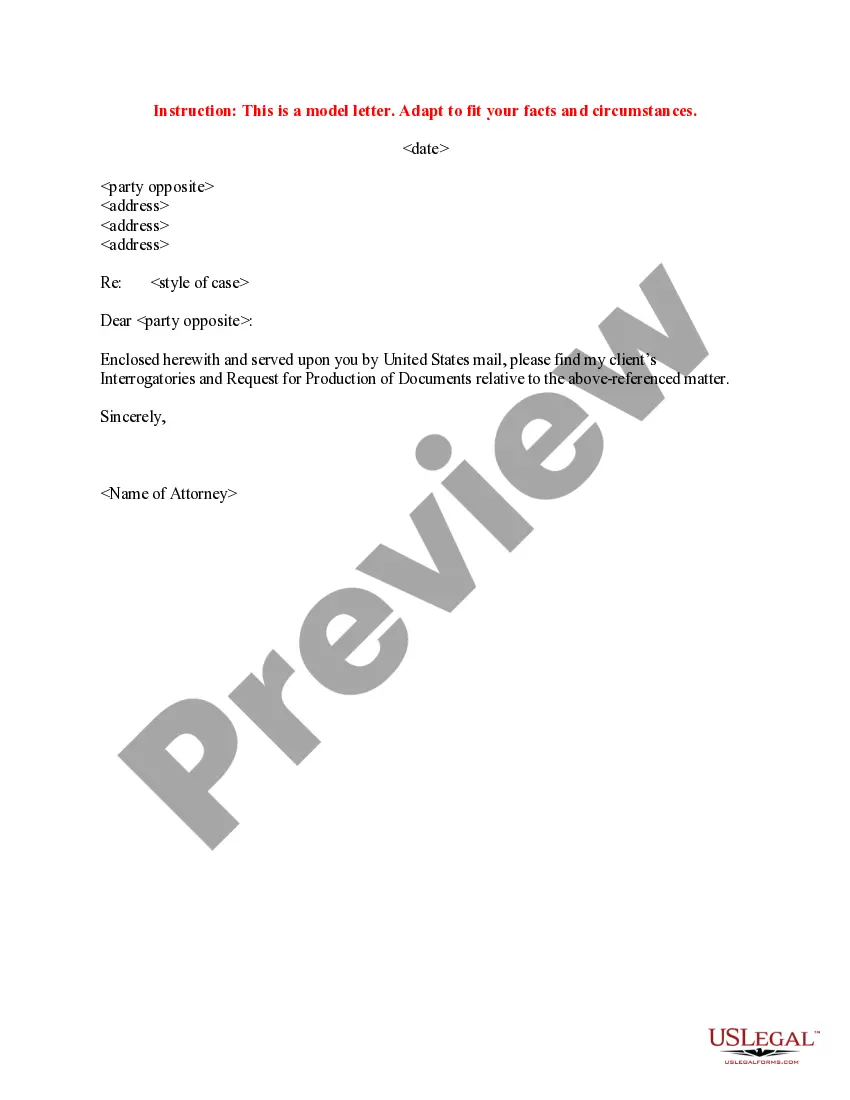
Get your form ready online
Our built-in tools help you complete, sign, share, and store your documents in one place.
Make edits, fill in missing information, and update formatting in US Legal Forms—just like you would in MS Word.
Download a copy, print it, send it by email, or mail it via USPS—whatever works best for your next step.
Sign and collect signatures with our SignNow integration. Send to multiple recipients, set reminders, and more. Go Premium to unlock E-Sign.
If this form requires notarization, complete it online through a secure video call—no need to meet a notary in person or wait for an appointment.
We protect your documents and personal data by following strict security and privacy standards.

Make edits, fill in missing information, and update formatting in US Legal Forms—just like you would in MS Word.

Download a copy, print it, send it by email, or mail it via USPS—whatever works best for your next step.

Sign and collect signatures with our SignNow integration. Send to multiple recipients, set reminders, and more. Go Premium to unlock E-Sign.

If this form requires notarization, complete it online through a secure video call—no need to meet a notary in person or wait for an appointment.

We protect your documents and personal data by following strict security and privacy standards.
Looking for another form?









Form popularity
FAQ
Filing for Divorce in North Carolina Without a Lawyer: Use ONLY IF: You have lived in NC for at least 6 months. You have been separated for at least 1 year. You do not want alimony or spousal support AND.
In United States v. Bagley , however, the Supreme Court eliminated this request requirement and stated that the prosecution has a constitutional duty to disclose all material, favorable information in their possession to defendants regardless of whether it is requested.
Failing to disclose exculpatory evidence: Prosecutors must disclose exculpatory evidence under Brady v. Maryland. Withholding such evidence violates the defendant's due process rights and can lead to wrongful convictions.
This presumption places a significant burden on the prosecution, which must provide convincing evidence that meets the standard of “proof beyond a reasonable doubt.” This high standard allows a conviction only if there is substantial certainty of guilt.
In a trial , if the prosecution finishes presenting their case and the judge finds they have not met their burden of proof, the judge may dismiss the case (even before the defense presents their side) for insufficient evidence.
This request must be filed within ten days of probable cause hearing or after waiving probable cause hearing. If no probable cause hearing or waiver occurs, the request should be filed within ten days of service of indictment, consent to bill of information, or appointment of counsel, whichever occurs later.
If the parties are having a dispute, either party can file a motion with the court asking the judge to order the other side to respond to discovery requests or punish the other side for failing to respond to discovery requests or for making unreasonable discovery requests.
In United States v. Bagley , however, the Supreme Court eliminated this request requirement and stated that the prosecution has a constitutional duty to disclose all material, favorable information in their possession to defendants regardless of whether it is requested.
How Does Discovery Work? There are four main types of discovery requests: (1) depositions; (2) interrogatories; (3) requests for admissions; and (4) requests for the production of documents. Depositions are formal witness interviews.
The North Carolina courts have similarly recognized that a defendant has discovery rights under Article I, section 19 of the North Carolina Constitution (law of land clause). See State v. Cunningham, 108 N.C. App.

