Requesting Discovery Form For Canada In Nevada
Description
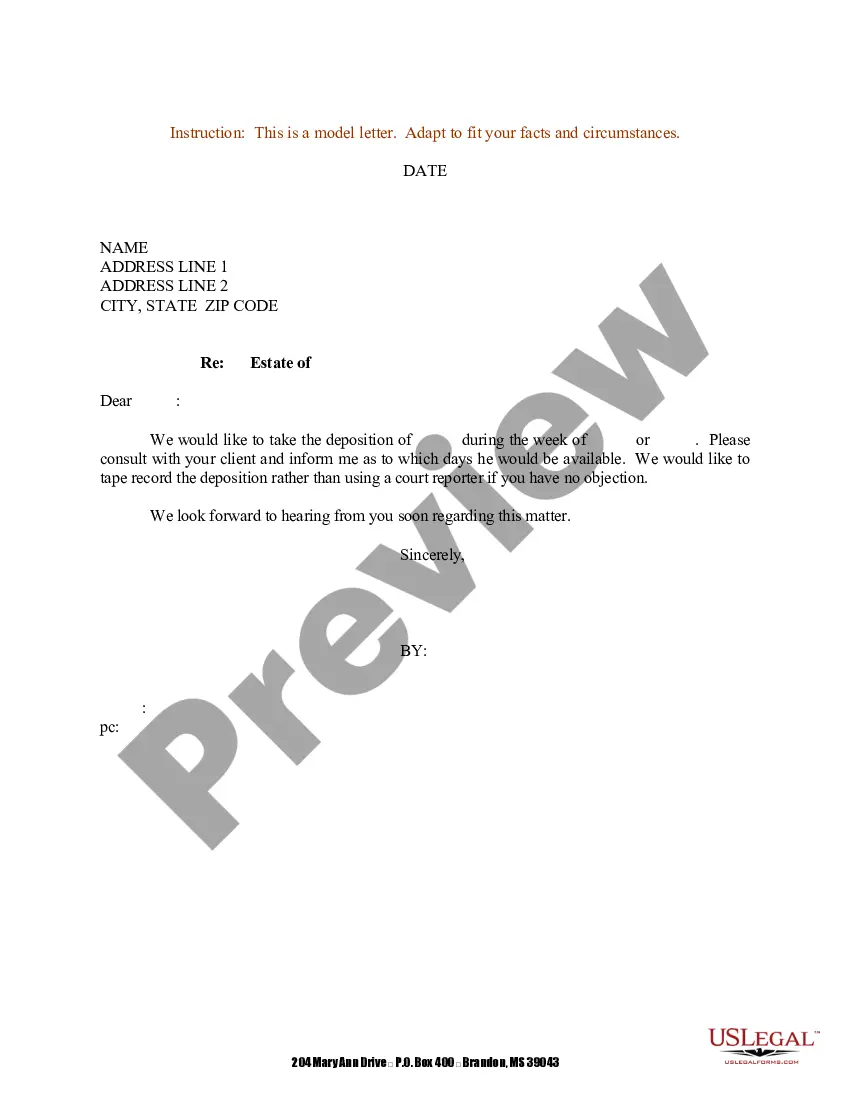
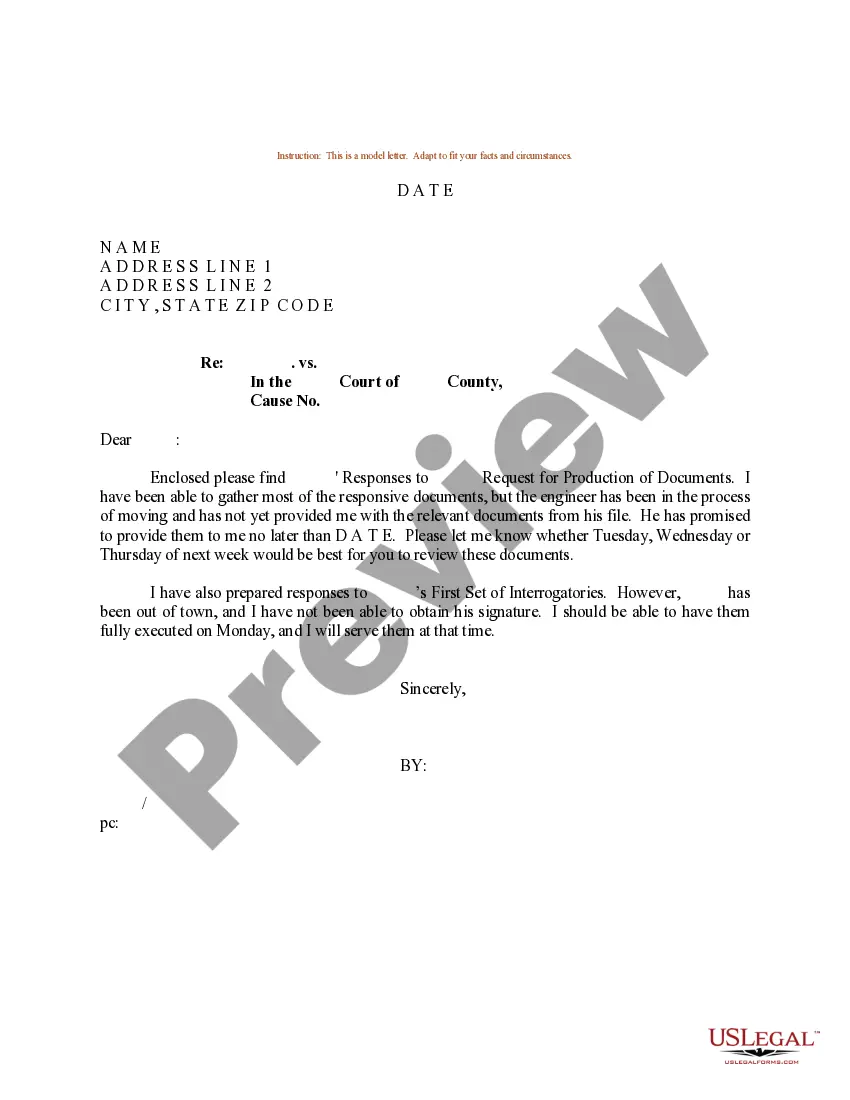
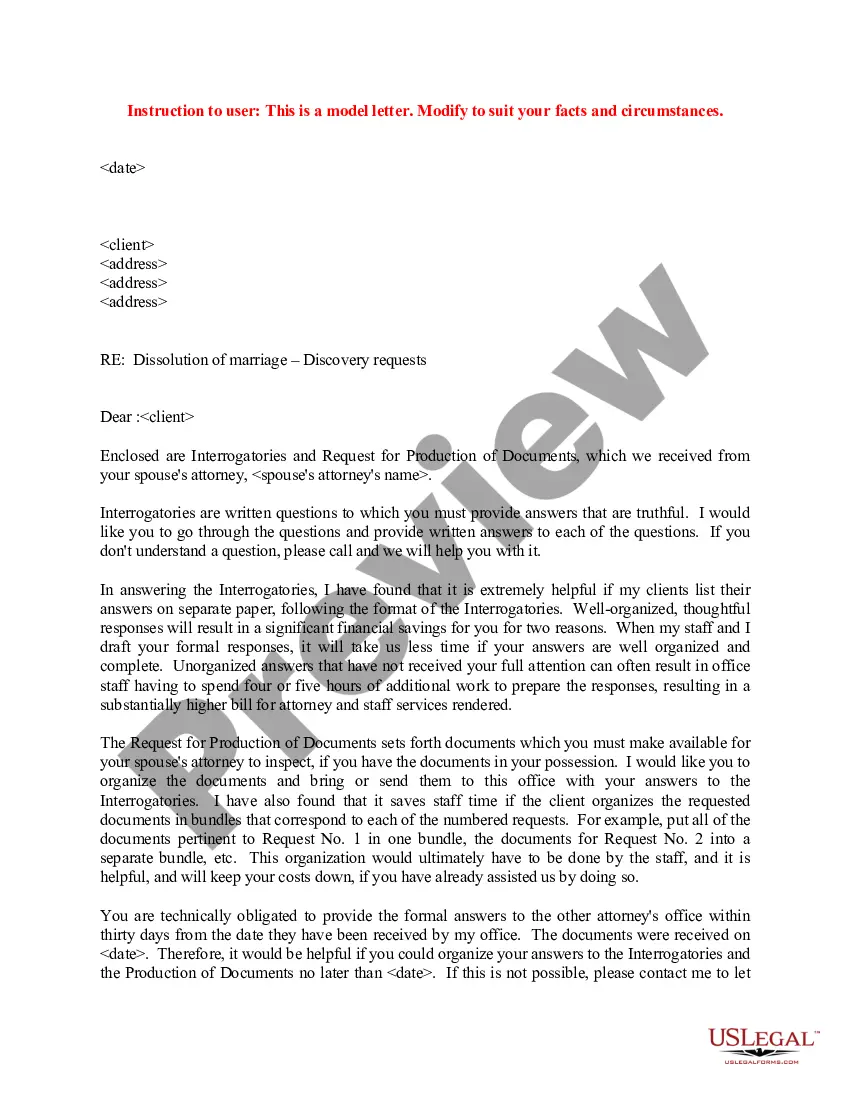
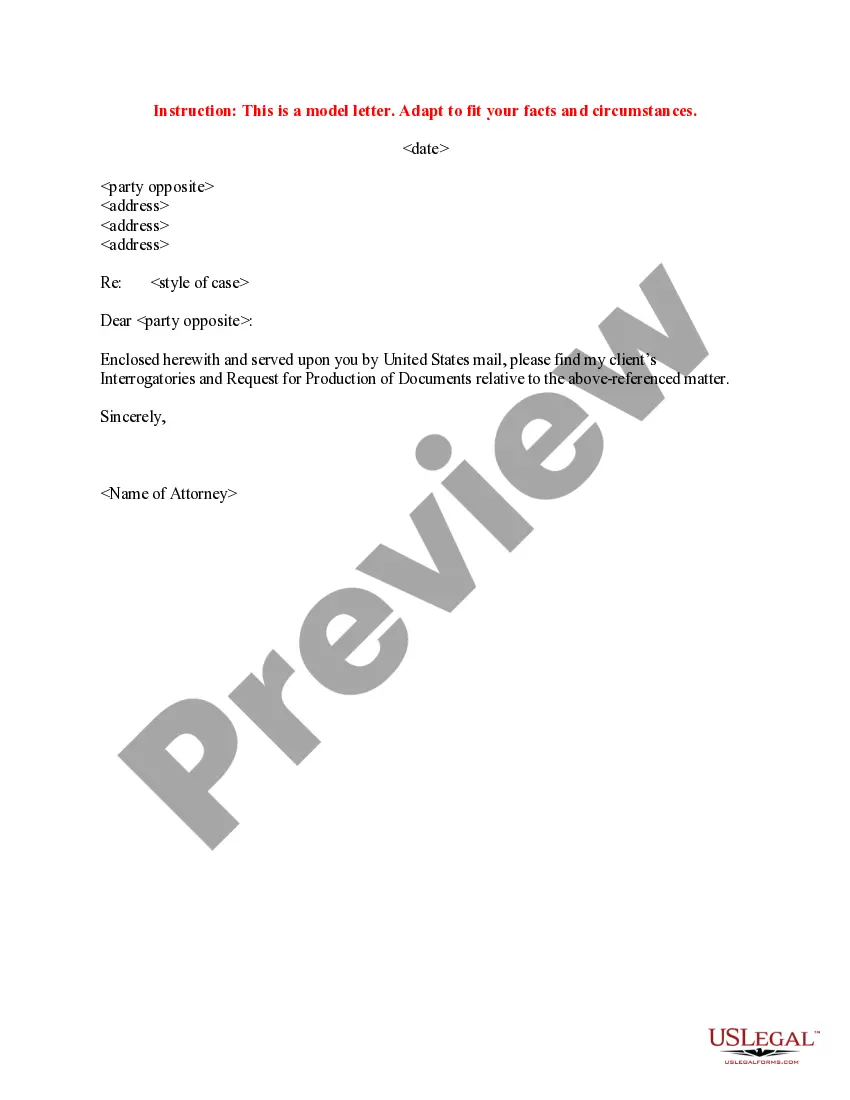
Get your form ready online
Our built-in tools help you complete, sign, share, and store your documents in one place.
Make edits, fill in missing information, and update formatting in US Legal Forms—just like you would in MS Word.
Download a copy, print it, send it by email, or mail it via USPS—whatever works best for your next step.
Sign and collect signatures with our SignNow integration. Send to multiple recipients, set reminders, and more. Go Premium to unlock E-Sign.
If this form requires notarization, complete it online through a secure video call—no need to meet a notary in person or wait for an appointment.
We protect your documents and personal data by following strict security and privacy standards.

Make edits, fill in missing information, and update formatting in US Legal Forms—just like you would in MS Word.

Download a copy, print it, send it by email, or mail it via USPS—whatever works best for your next step.

Sign and collect signatures with our SignNow integration. Send to multiple recipients, set reminders, and more. Go Premium to unlock E-Sign.

If this form requires notarization, complete it online through a secure video call—no need to meet a notary in person or wait for an appointment.

We protect your documents and personal data by following strict security and privacy standards.
Looking for another form?





Form popularity
FAQ
Federal Rule of Civil Procedure 68 allows a defendant to make an offer of judgment at any point at least 14 days before trial. After receiving the offer, the plaintiff then has a 14-day window to serve written notice accepting the offer.
State laws place limits on how much time prosecutors have to file criminal charges, called the criminal statute of limitations. Most states have different limits for different kinds of crimes. Nevada follows this same model. In Nevada, for most crimes, there's a three-year time limit for the filing of charges.
Rule 35. (a) Order for Examination. (1) In General. The court where the action is pending may order a party whose mental or physical condition—including blood group—is in controversy to submit to a physical or mental examination by a suitably licensed or certified examiner.
What is the two-hour DUI rule in Nevada? The two-hour rule, or “two-hour limitation”, states that a person can be arrested for DUI if their blood alcohol content (BAC) was over the legal limit within two hours of driving or being in actual physical control of a vehicle.
Nevada Rule of Civil Procedure (NRCP) 68, provides that any party may serve an offer of judgment at least 10 days before trial. 1 An offer not accepted within 10 days is deemed rejected and withdrawn.
Rule 35 was amended, effective March 1, 1994, to track the 1991 federal amendment, by authorizing the court to require a physical or mental examination conducted by any person who is suitably licensed or certified such as a dentist, occupational therapist or clinical psychologist.
35, permits discovery through a medical examination of a party under carefully defined circumstances. The Rule, seldom the subject of appellate litigation, may be dominated by more myths and misperceptions than other discovery tools.
In representing a client, a lawyer shall not communicate about the subject of the representation with a person the lawyer knows to be represented by another lawyer in the matter, unless the lawyer has the consent of the other lawyer or is authorized to do so by law or a court order.
Nevada Rule of Civil Procedure (NRCP) 68, provides that any party may serve an offer of judgment at least 10 days before trial. 1 An offer not accepted within 10 days is deemed rejected and withdrawn.
“Parties may obtain discovery regarding any matter, not privileged, which is relevant to the subject matter involved in the pending action, whether it relates to the claim or defense of the party seeking discovery or to the claim or defense of any other party, including the existence, description, nature, custody, ...

