Requesting Discovery Form With Two Points In Minnesota
Description
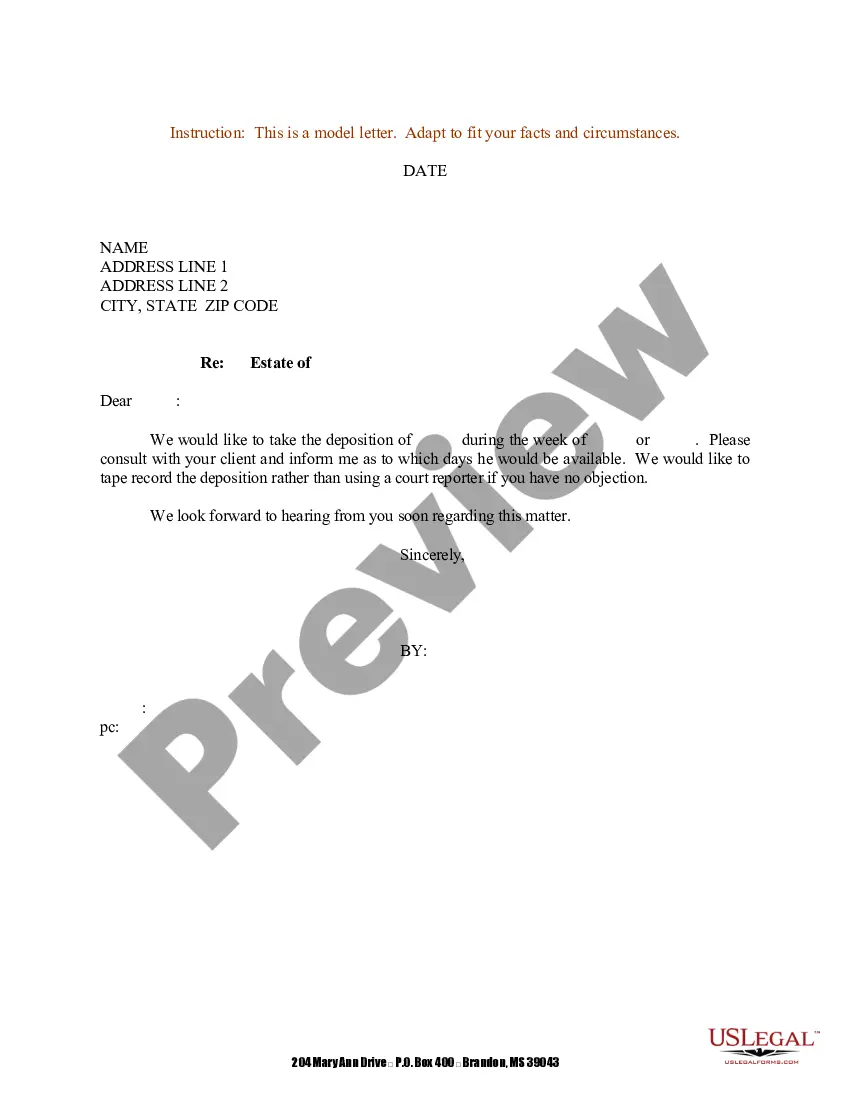
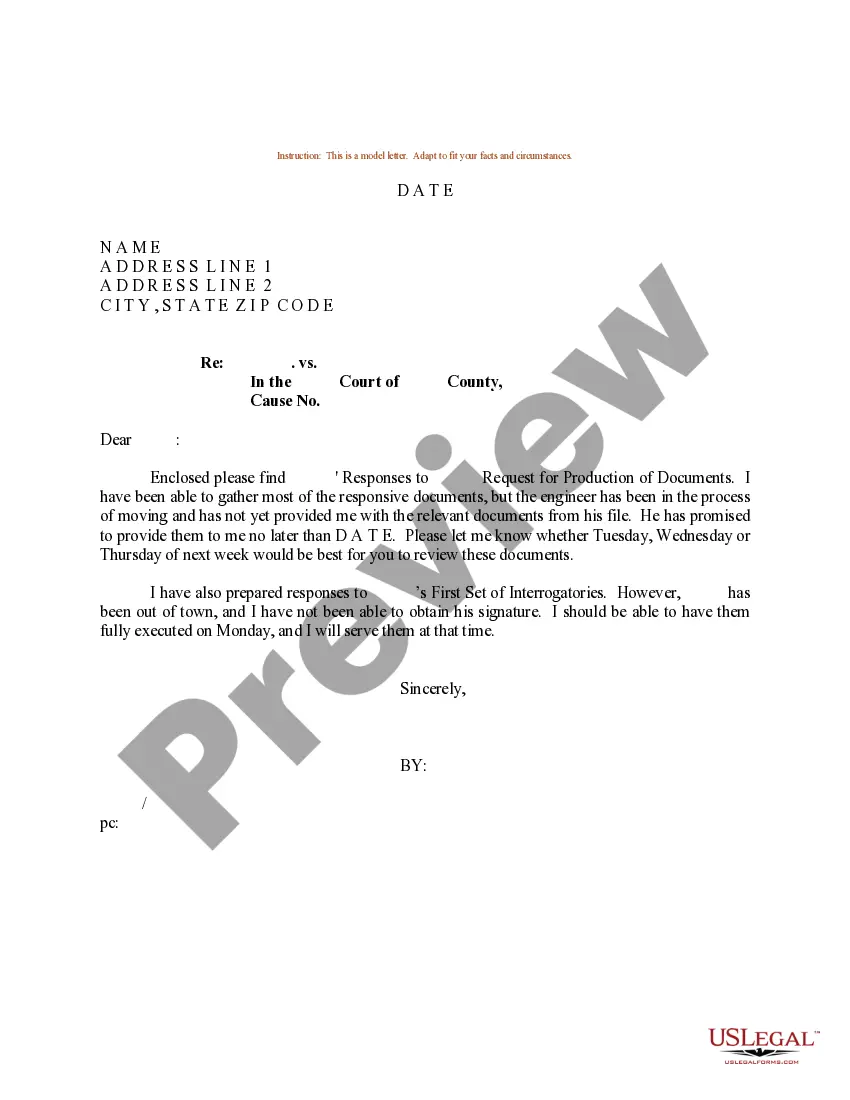
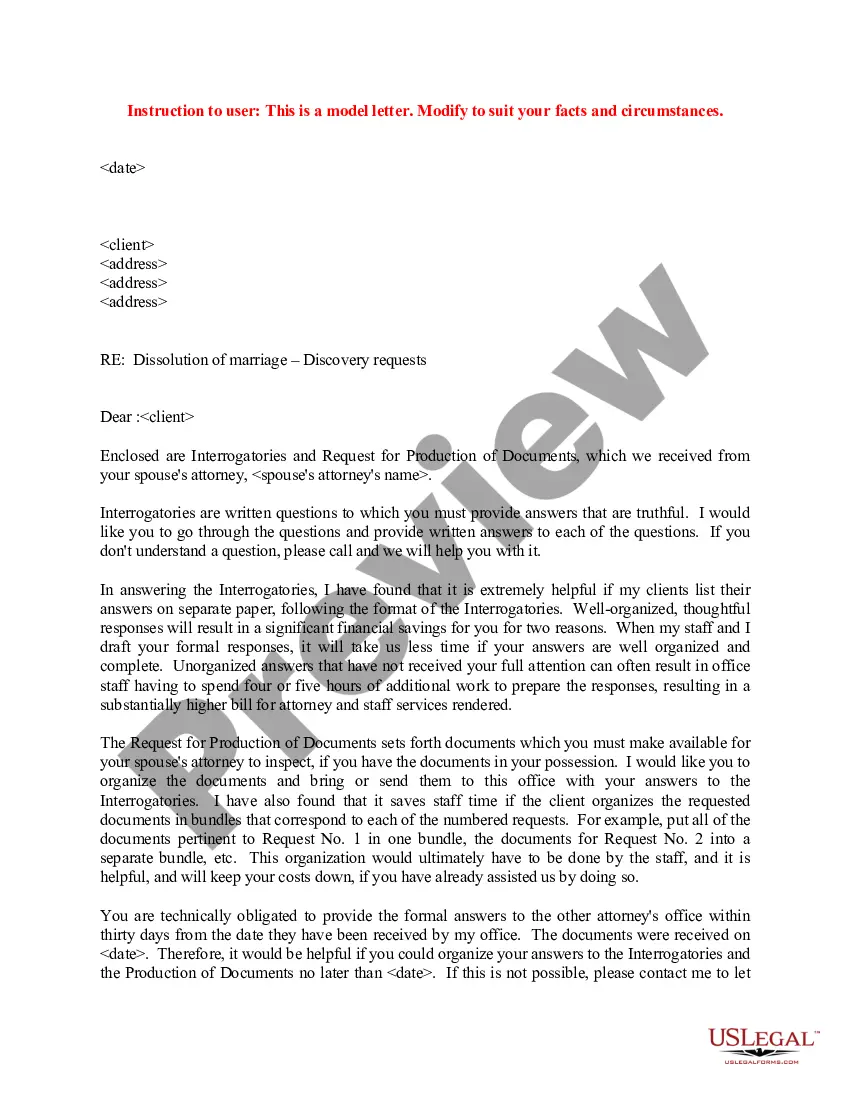
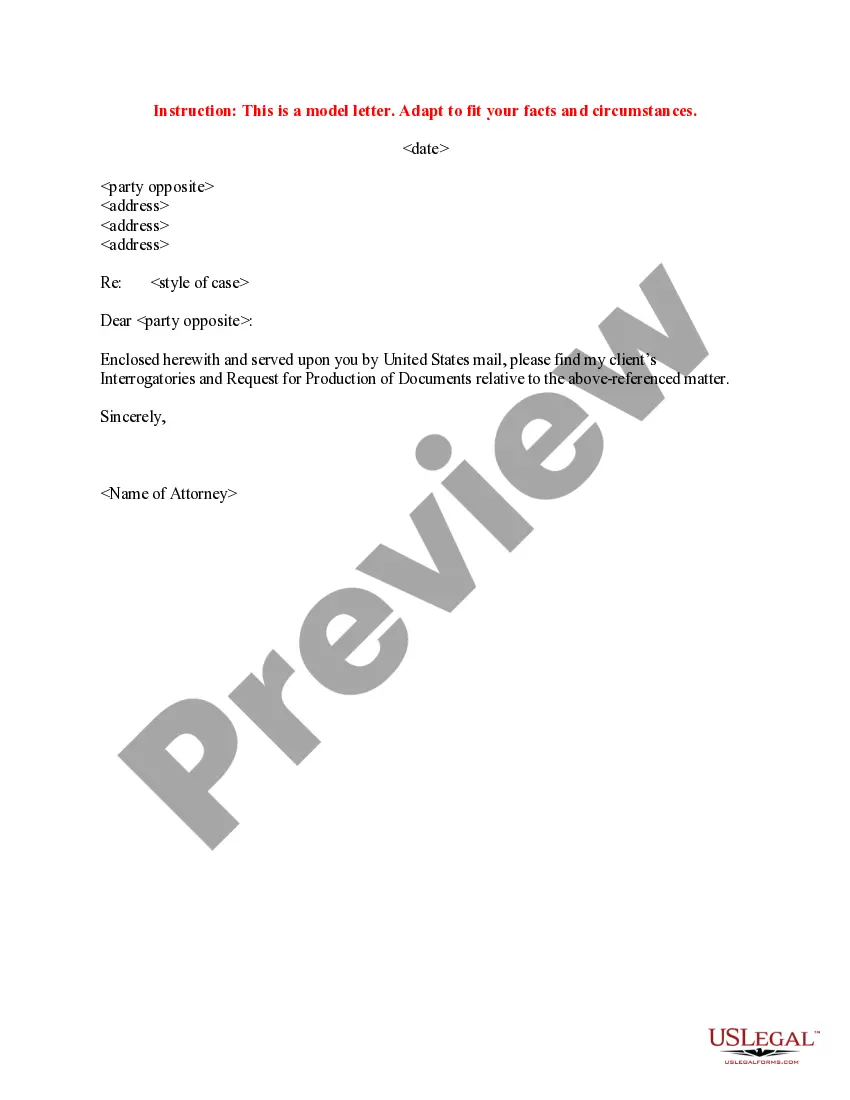
Get your form ready online
Our built-in tools help you complete, sign, share, and store your documents in one place.
Make edits, fill in missing information, and update formatting in US Legal Forms—just like you would in MS Word.
Download a copy, print it, send it by email, or mail it via USPS—whatever works best for your next step.
Sign and collect signatures with our SignNow integration. Send to multiple recipients, set reminders, and more. Go Premium to unlock E-Sign.
If this form requires notarization, complete it online through a secure video call—no need to meet a notary in person or wait for an appointment.
We protect your documents and personal data by following strict security and privacy standards.

Make edits, fill in missing information, and update formatting in US Legal Forms—just like you would in MS Word.

Download a copy, print it, send it by email, or mail it via USPS—whatever works best for your next step.

Sign and collect signatures with our SignNow integration. Send to multiple recipients, set reminders, and more. Go Premium to unlock E-Sign.

If this form requires notarization, complete it online through a secure video call—no need to meet a notary in person or wait for an appointment.

We protect your documents and personal data by following strict security and privacy standards.
Looking for another form?









Form popularity
FAQ
Rule 33. Interrogatories to Parties Interrogatories may, without leave of court, be served upon any party after service of the summons and complaint. No party may serve more than a total of 50 interrogatories upon any other party unless permitted to do so by the court upon motion, notice and a showing of good cause.
Public Access to Records. (a) Except as provided in these Special Rules, the Rules of Public Access to Records of the Judicial Branch, or as limited by court order, all court files relating to civil commitment shall be available to the public for inspection, copying, printing, or downloading.
Individuals admitted to a Behavioral Health Hospital and committed to the Commissioner of Human Services will receive case management services until the commitment ends which is usually six months after the commitment hearing. After their legal status changes, they are offered the opportunity to continue with services.
Rule 69. Execution In aid of the judgment or execution, the judgment creditor, or successor in interest when that interest appears of record, may obtain discovery from any person, including the judgment debtor, in the manner provided by these rules.
The defendant must be brought before a judge without unnecessary delay, and not more than 36 hours after the arrest, exclusive of the day of arrest, Sundays, and legal holidays, or as soon as a judge is available.
Rule 63. Disability or Disqualification of Judge; Notice to Remove; Assignment of a Judge.
Rule 63. Disability or Disqualification of Judge; Notice to Remove; Assignment of a Judge.
(Rule 11.) The attorney's name is to be followed by his address as indicated in Form 2. In forms following Form 2 the signature and address are not indicated. If a party is not represented by an attorney, the signature and address of the party are required in place of those of the attorney.

