Requesting Discovery Form For Divorce In Michigan
Description
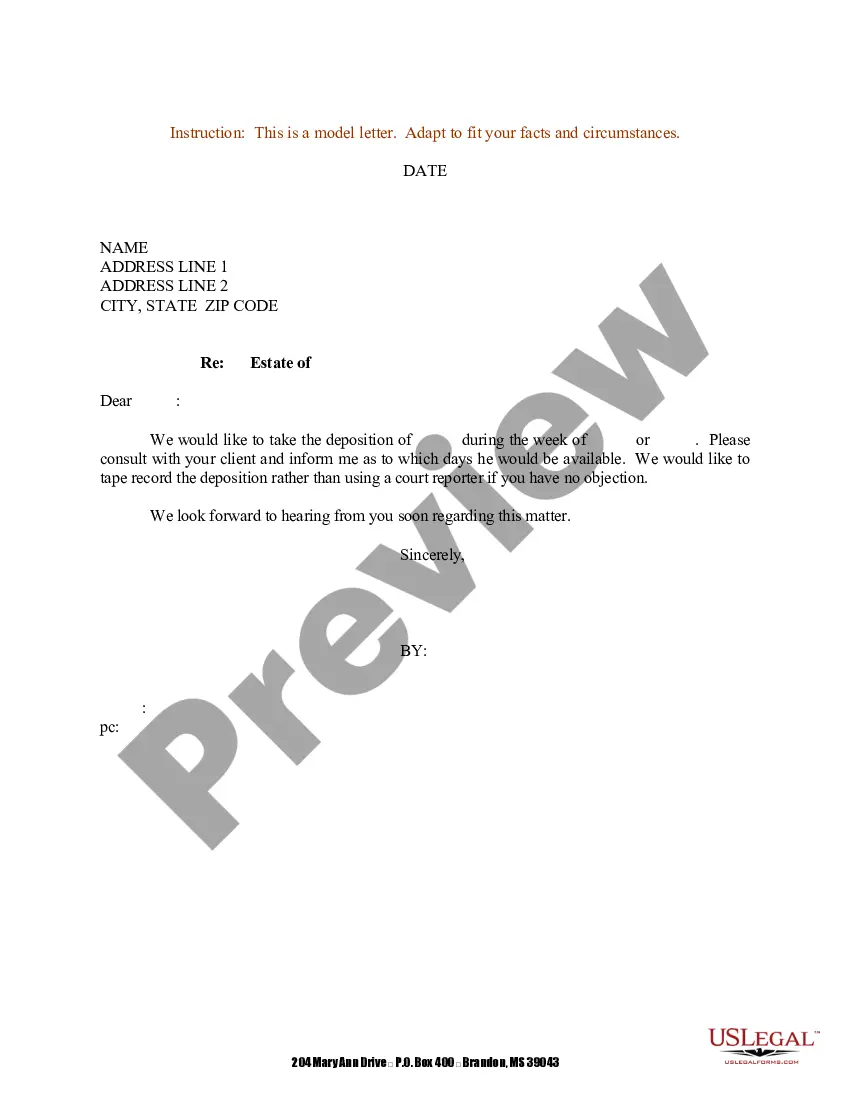
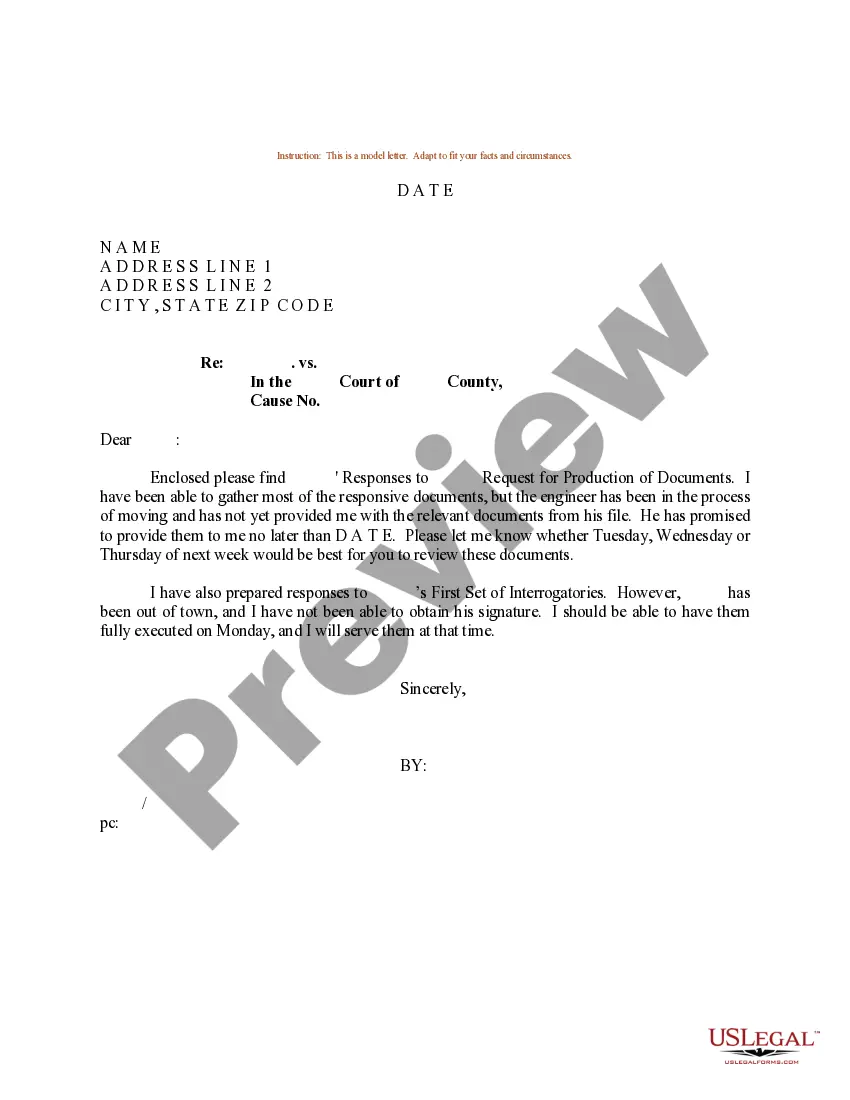
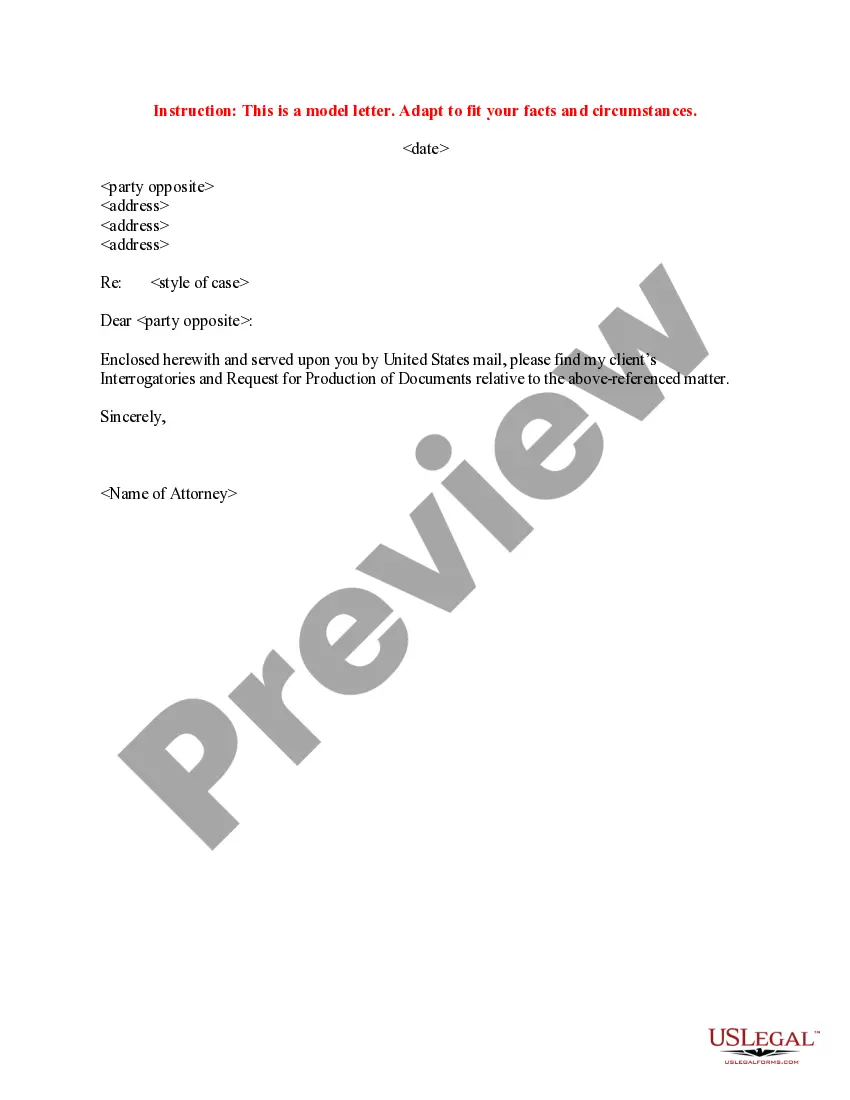
Get your form ready online
Our built-in tools help you complete, sign, share, and store your documents in one place.
Make edits, fill in missing information, and update formatting in US Legal Forms—just like you would in MS Word.
Download a copy, print it, send it by email, or mail it via USPS—whatever works best for your next step.
Sign and collect signatures with our SignNow integration. Send to multiple recipients, set reminders, and more. Go Premium to unlock E-Sign.
If this form requires notarization, complete it online through a secure video call—no need to meet a notary in person or wait for an appointment.
We protect your documents and personal data by following strict security and privacy standards.

Make edits, fill in missing information, and update formatting in US Legal Forms—just like you would in MS Word.

Download a copy, print it, send it by email, or mail it via USPS—whatever works best for your next step.

Sign and collect signatures with our SignNow integration. Send to multiple recipients, set reminders, and more. Go Premium to unlock E-Sign.

If this form requires notarization, complete it online through a secure video call—no need to meet a notary in person or wait for an appointment.

We protect your documents and personal data by following strict security and privacy standards.
Looking for another form?









Form popularity
FAQ
Check with the clerk of the court to confirm what's required, but in most courts you'll need to file a: Petition (Consent Judgment) Domestic violence screening form. Confidential Case Inventory (if you have any other pending or resolved family division cases), and a. Proposed Consent Judgment/Order.
You must reach a comprehensive divorce settlement agreement in order to avoid going to court in California. By agreeing on all key issues, such as property division, custody, and child support, both spouses can file for an uncontested divorce and bypass the need for courtroom proceedings.
Does it matter who files for divorce first in Michigan? No, from a legal perspective, it does not matter who files first for divorce in Michigan. However, filing first does present an opportunity for the initiating party to request various orders to the court before your spouse is notified of the divorce proceedings.
If there are no children involved then the minimum requirement in Michigan is 60 days. If children are involved then you will have to wait at least six months before your divorce is granted. The clock begins as soon as one of the two parties officially files for divorce.
The only way to avoid the invasive discovery process during divorce is to draft a settlement agreement with a spouse outside of court. When both parties in the divorce can agree on the division of their assets in a way that they're satisfied with, they can form their own divorce settlement agreement outside of court.
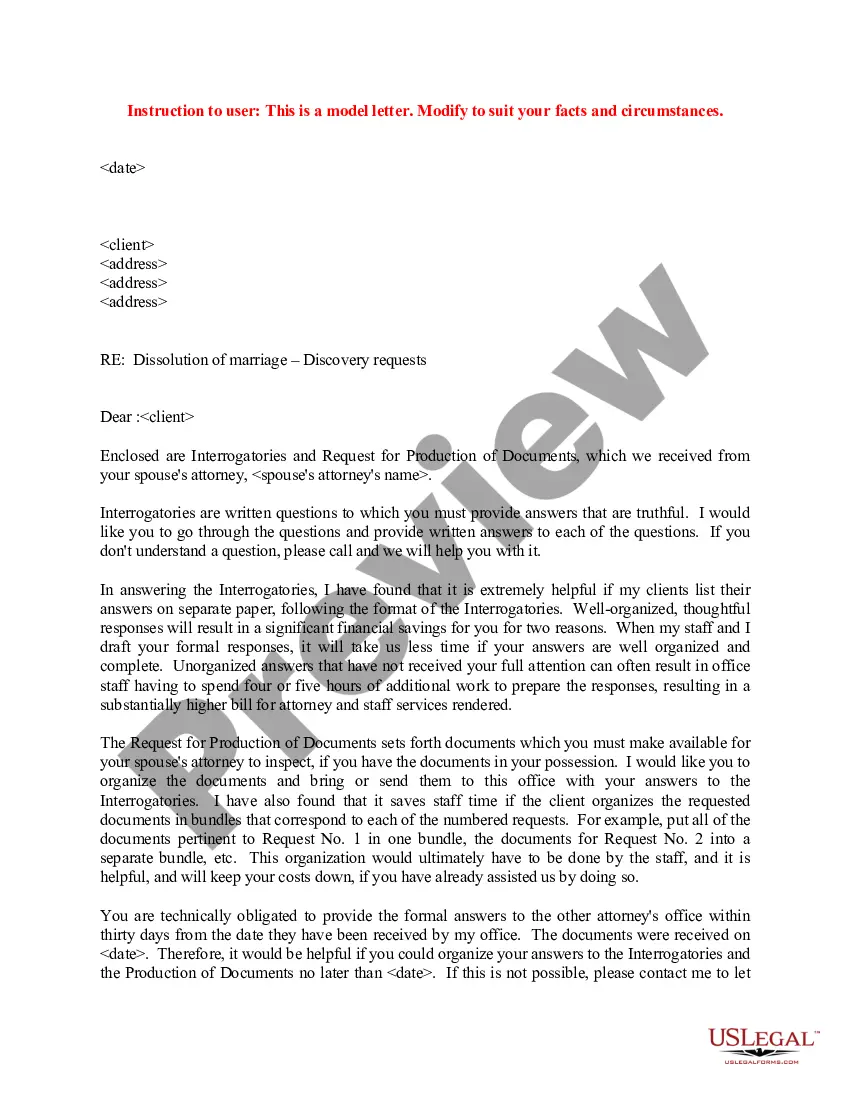
One of the most important phases of the divorce process is “discovery.” This is the stage of a divorce where information is exchanged between the parties in order for them to make informed decisions — and successfully present their cases in court.
Also, an uncontested divorce does not require a trial, discovery, or other time consuming legal procedures. That means that legal fees will be much less expensive in an uncontested divorce than a contested divorce. Uncontested divorces are not appealable, but certain agreements may be modifiable.
Michigan law requires judges to divide property fairly. Fair usually means that each person gets about half of everything. But in some cases, a judge could decide it is fair to divide marital property in a different way.
Discovery is designed to ensure fairness and transparency in the divorce process, and non-compliance by one spouse hinders this process. Consequently, if you don't comply with discovery requests, it can have serious legal repercussions and lead to adverse rulings against you in the divorce proceedings.

