Requesting Discovery Form For Divorce In Massachusetts
Description
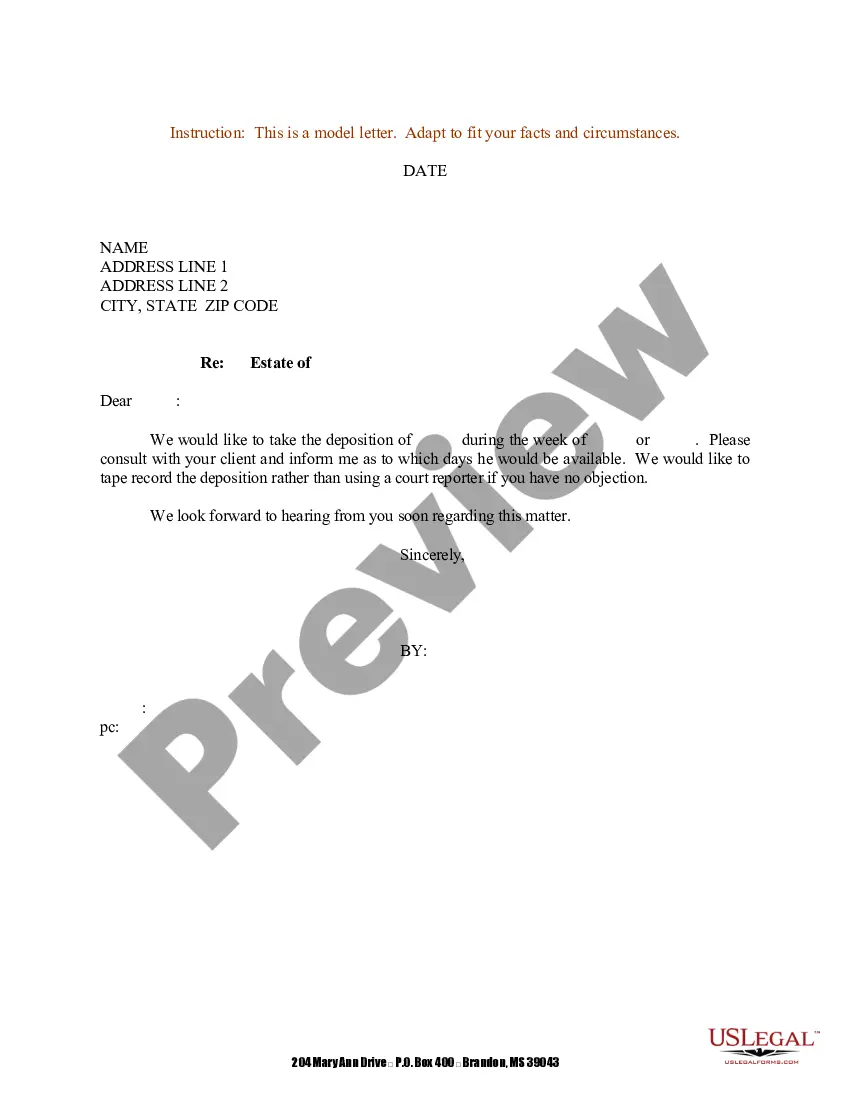
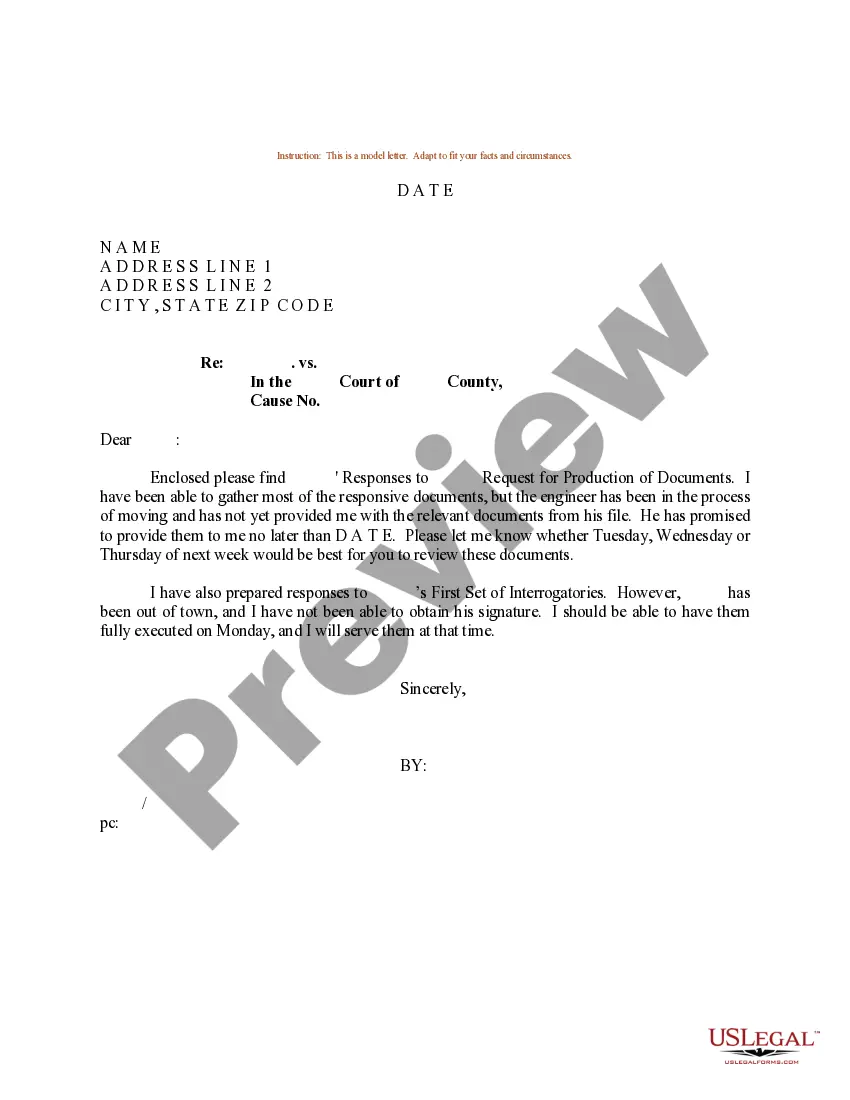
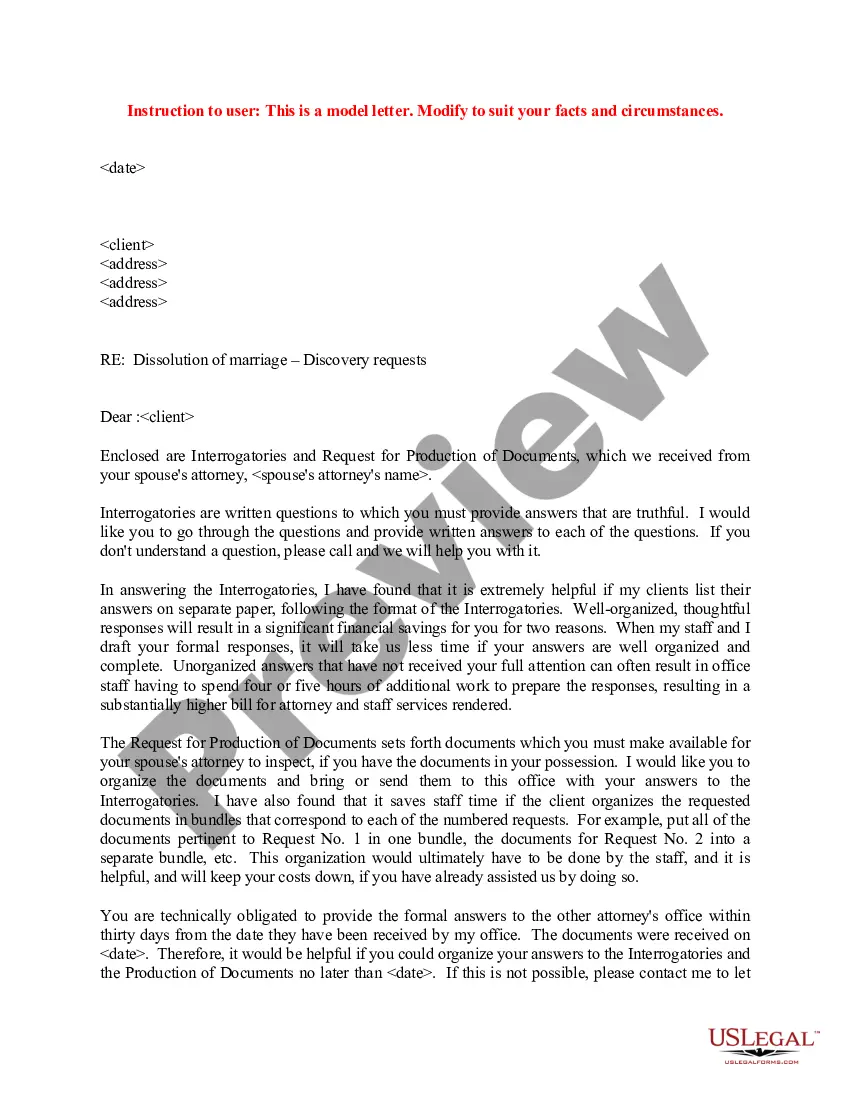
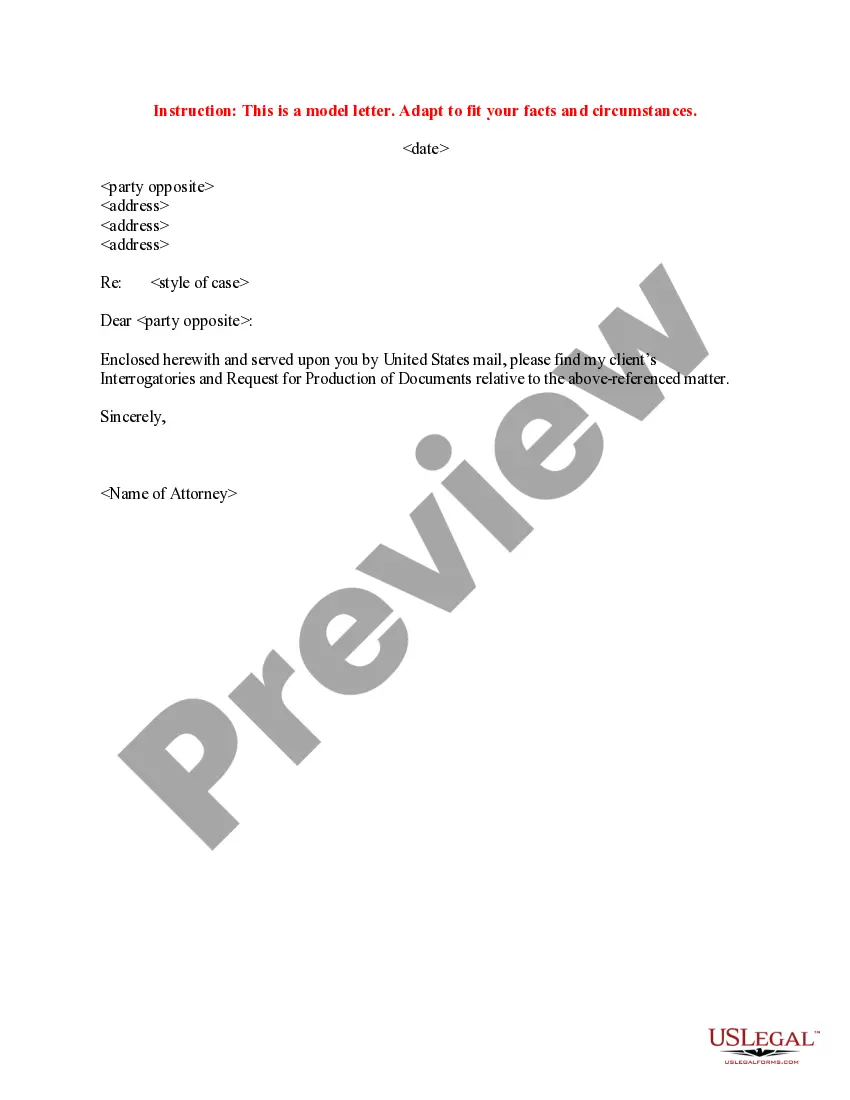
Get your form ready online
Our built-in tools help you complete, sign, share, and store your documents in one place.
Make edits, fill in missing information, and update formatting in US Legal Forms—just like you would in MS Word.
Download a copy, print it, send it by email, or mail it via USPS—whatever works best for your next step.
Sign and collect signatures with our SignNow integration. Send to multiple recipients, set reminders, and more. Go Premium to unlock E-Sign.
If this form requires notarization, complete it online through a secure video call—no need to meet a notary in person or wait for an appointment.
We protect your documents and personal data by following strict security and privacy standards.

Make edits, fill in missing information, and update formatting in US Legal Forms—just like you would in MS Word.

Download a copy, print it, send it by email, or mail it via USPS—whatever works best for your next step.

Sign and collect signatures with our SignNow integration. Send to multiple recipients, set reminders, and more. Go Premium to unlock E-Sign.

If this form requires notarization, complete it online through a secure video call—no need to meet a notary in person or wait for an appointment.

We protect your documents and personal data by following strict security and privacy standards.
Looking for another form?








Form popularity
FAQ
General Rule: Discovery must be responded to within 30 days The court may also prescribe different timelines for responding to discovery, or the parties themselves may establish deadlines. Importantly, there is no mandate that discovery must be conducted by either party in a divorce case in Boston, Massachusetts.
The Role of Discovery in Divorce Cases The main function of the discovery process is multifaceted in purpose, including to gather vital information for equitable property division, resolving custody disagreements, and uncovering undisclosed details, just to name a few.
Massachusetts recognizes the “discovery rule,” which allows the statute of limitations to start when an injury is identified or reasonably should have been recognized, not necessarily from the date of the incident.
Divorce or Annulment, Certification Vital Statistics (R-408) Statistical Form to be filed with all Complaints/ Petitions for Divorce and/or Annulment.
The discovery process can play a foundational role in any divorce case and play a crucial role in gathering extensive financial details of both parties. This process, typically initiated by legal counsel, can take a considerable amount of time to finalize, often lasting several weeks to months or longer.
With a settlement, discovery is generally not needed. Rather than an official exchange of information, both parties will communicate with each other in an effort to reach an amicable divorce agreement, otherwise known as an uncontested divorce.
A motion to compel shall include the relevant portion of the discovery response at issue. A motion to compel shall not be filed less than 10 days before the first day of the hearing on the merits, unless good cause is shown.
Yes, you can go ahead with your divorce even if your spouse refuses to sign the papers. Your spouse has a certain period of time to reply once you serve them with a divorce petition. In Massachusetts, the response must be filed within 20 days.

