Requesting Discovery Form Withdrawal In Houston
Description
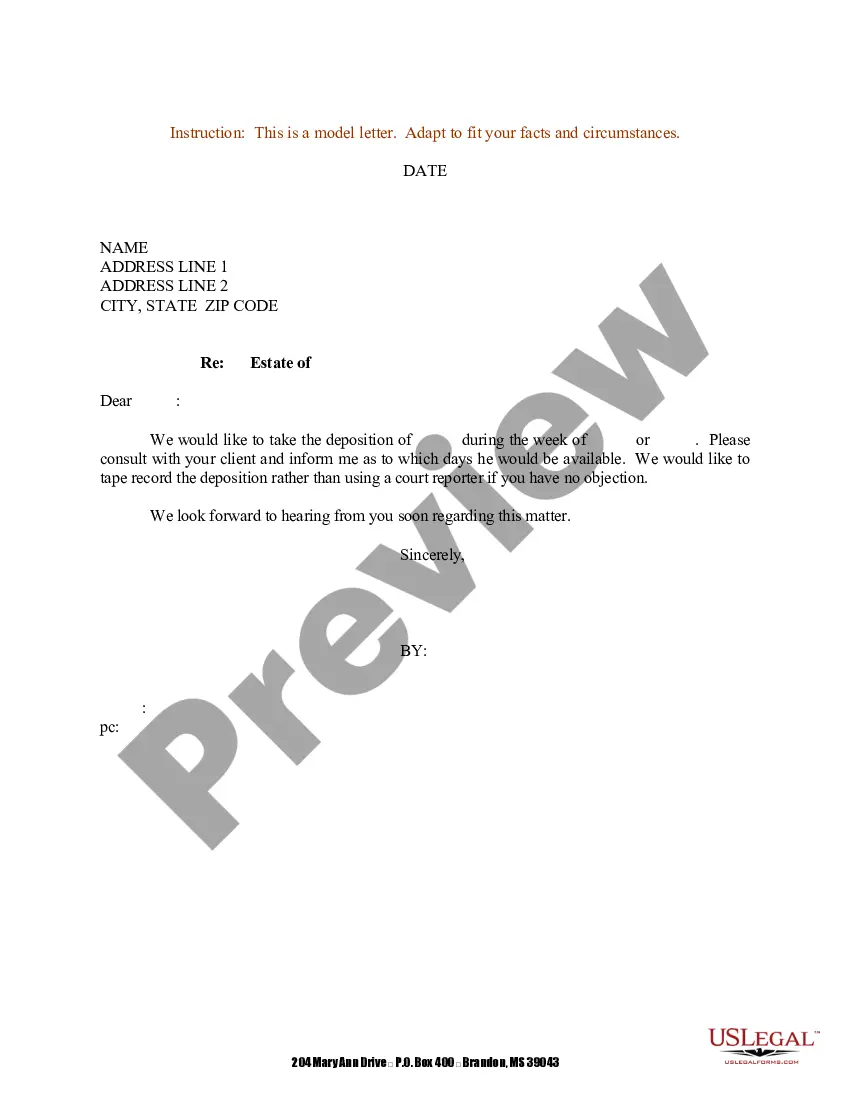
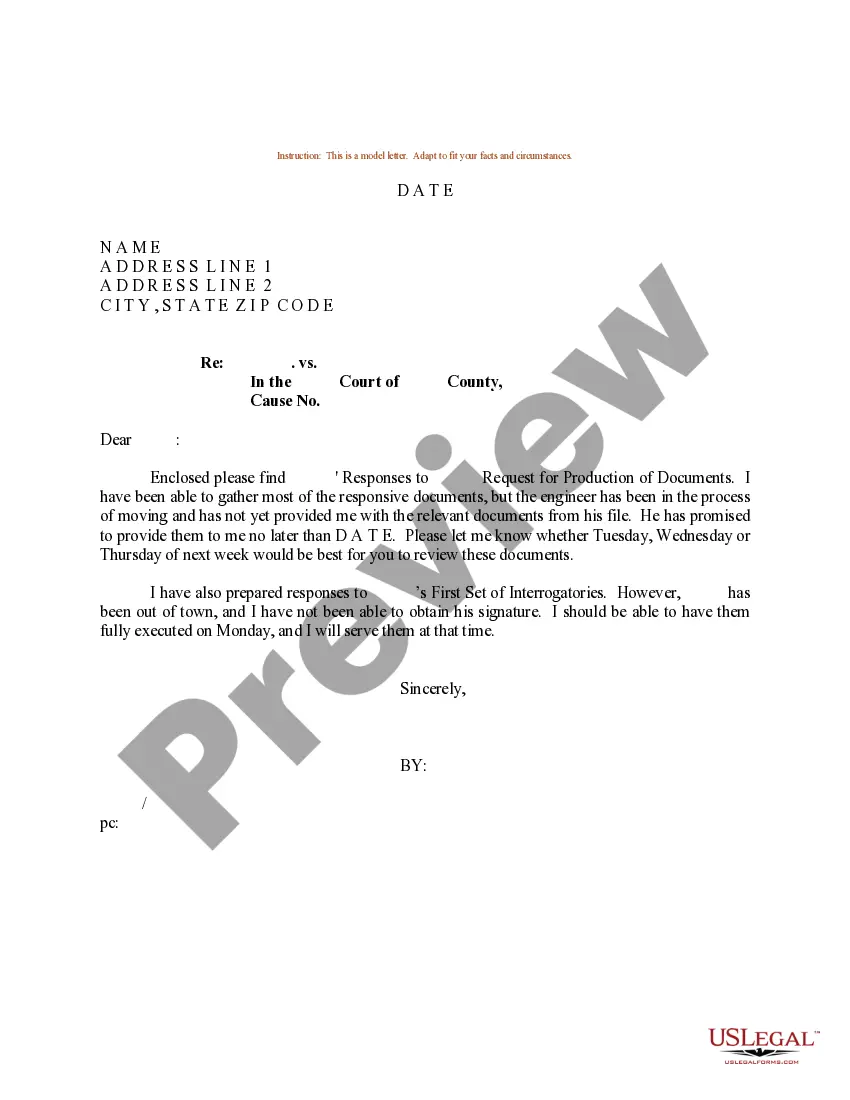
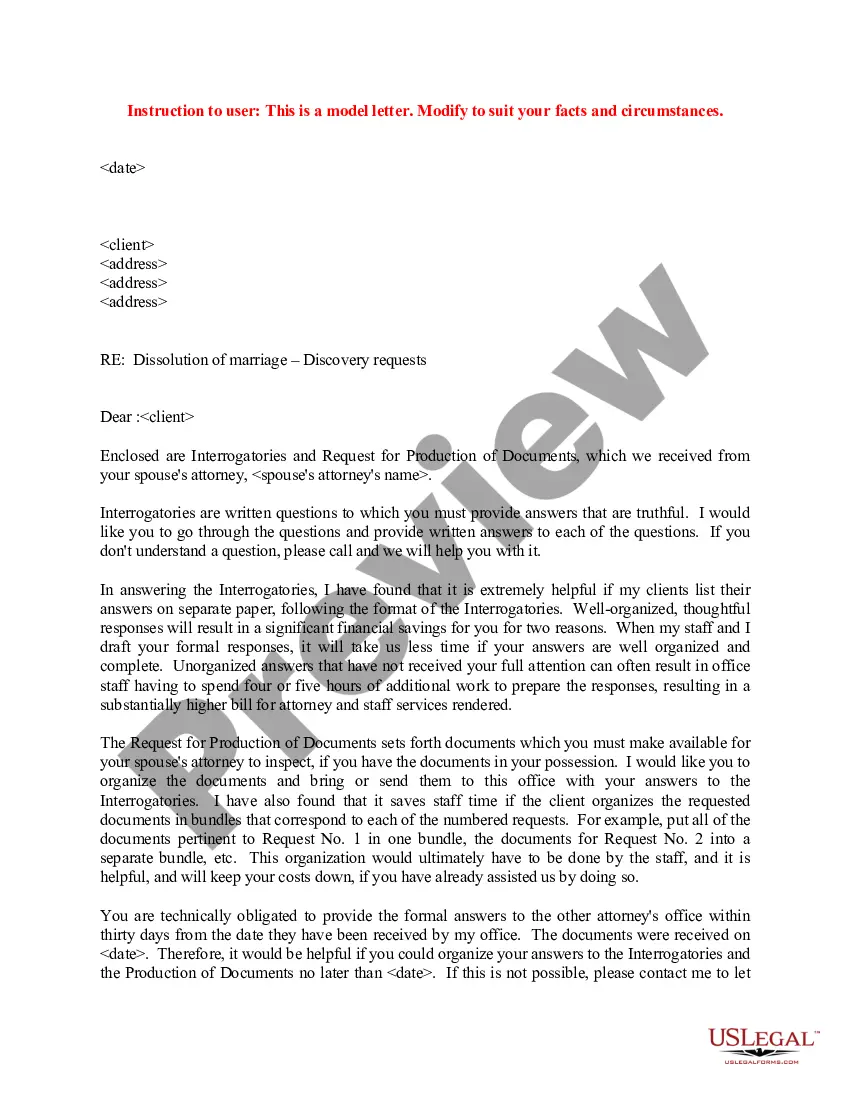
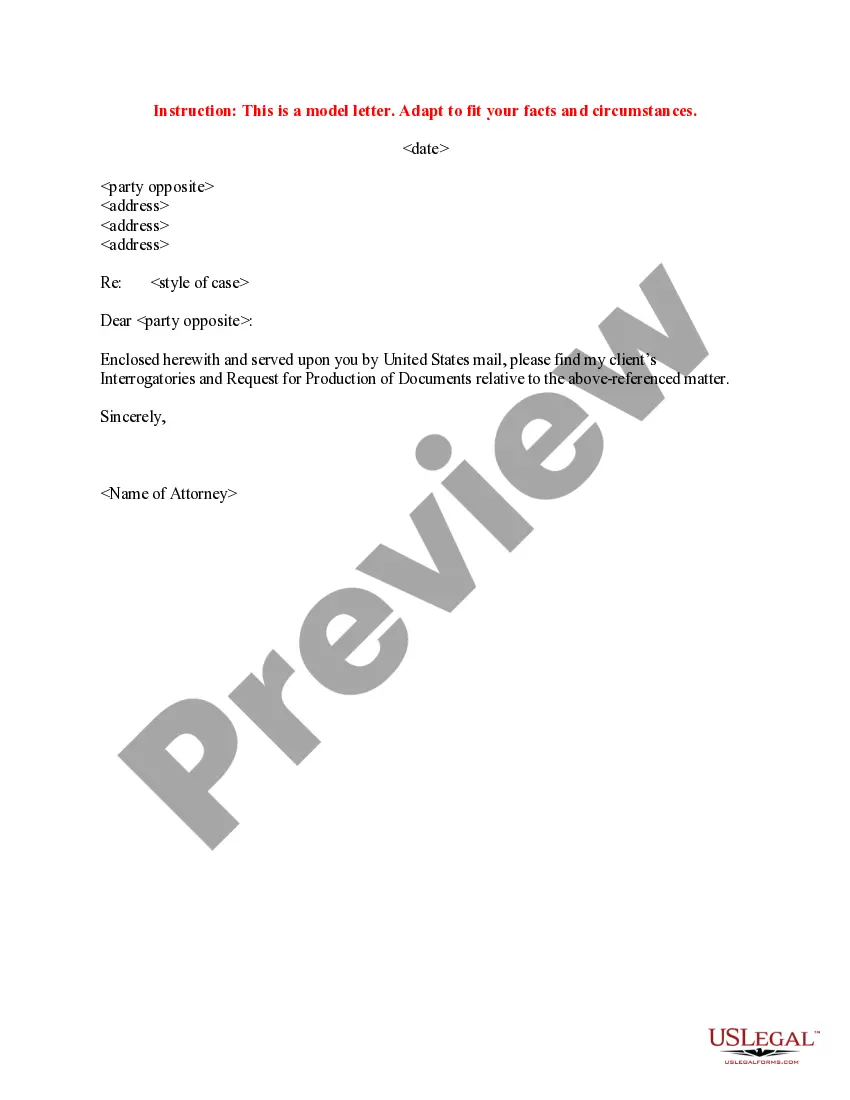
Get your form ready online
Our built-in tools help you complete, sign, share, and store your documents in one place.
Make edits, fill in missing information, and update formatting in US Legal Forms—just like you would in MS Word.
Download a copy, print it, send it by email, or mail it via USPS—whatever works best for your next step.
Sign and collect signatures with our SignNow integration. Send to multiple recipients, set reminders, and more. Go Premium to unlock E-Sign.
If this form requires notarization, complete it online through a secure video call—no need to meet a notary in person or wait for an appointment.
We protect your documents and personal data by following strict security and privacy standards.

Make edits, fill in missing information, and update formatting in US Legal Forms—just like you would in MS Word.

Download a copy, print it, send it by email, or mail it via USPS—whatever works best for your next step.

Sign and collect signatures with our SignNow integration. Send to multiple recipients, set reminders, and more. Go Premium to unlock E-Sign.

If this form requires notarization, complete it online through a secure video call—no need to meet a notary in person or wait for an appointment.

We protect your documents and personal data by following strict security and privacy standards.
Looking for another form?







Form popularity
FAQ
Additionally, the new rules that went into effect September 1, 2023, require disclosure of the expert's qualifications to include all publications authored by the expert in the last 10 years, a list of cases in which the expert testified as an expert at trial or deposition (unless the expert is an attorney testifying ...
Generally, the party receiving the discovery request has 30 days to respond. Some exceptions and variations apply, so make sure you review how much time you have to respond depending on the type of case, the rules, and the type of discovery method used.
A pleading setting up any of the following matters, unless the truth of such matters appear of record, shall be verified by affidavit. 1. That the plaintiff has not legal capacity to sue or that the defendant has not legal capacity to be sued.
Rule 92. General Denial (1941) A general denial of matters pleaded by the adverse party which are not required to be denied under oath, shall be sufficient to put the same in issue.
A motion to dismiss must state that it is made pursuant to this rule, must identify each cause of action to which it is addressed, and must state specifically the reasons the cause of action has no basis in law, no basis in fact, or both. 91a. 3 Time for Motion and Ruling.
A pleading setting up any of the following matters, unless the truth of such matters appear of record, shall be verified by affidavit. 1. That the plaintiff has not legal capacity to sue or that the defendant has not legal capacity to be sued.
Rule 47: Claims for relief – the $100,000 categories replaced with $250,000 categoriesConsistent with the change to Rule 169, the Texas Rules of Civil Procedure no longer distinguish between suits for less than $100,000 from suits for less than $250,000.
When a party requests documents or answers to questions from the opposing party in a lawsuit, you must do so in the form of a Motion for Discovery. A Motion for Discovery may be filed with the Court via E-File, Email, in person, or by US Mail.
An attorney may withdraw from representing a party only upon written motion for good cause shown.
The Registry is staffed and operated by the Courts Administration Service . The Registry is the nerve centre of the Court's operations. It is the hub of most procedural and documentary activities at the Court.

