Requesting Discovery Form With Two Points In Florida
Description
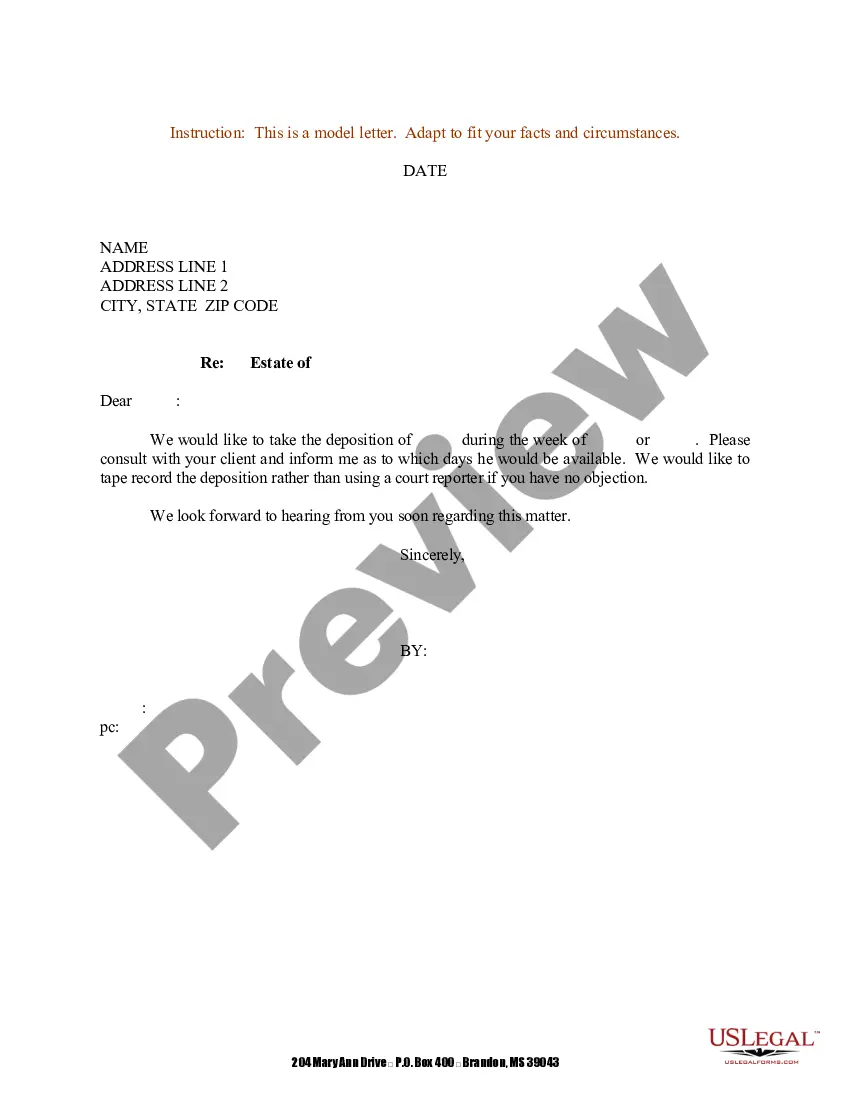
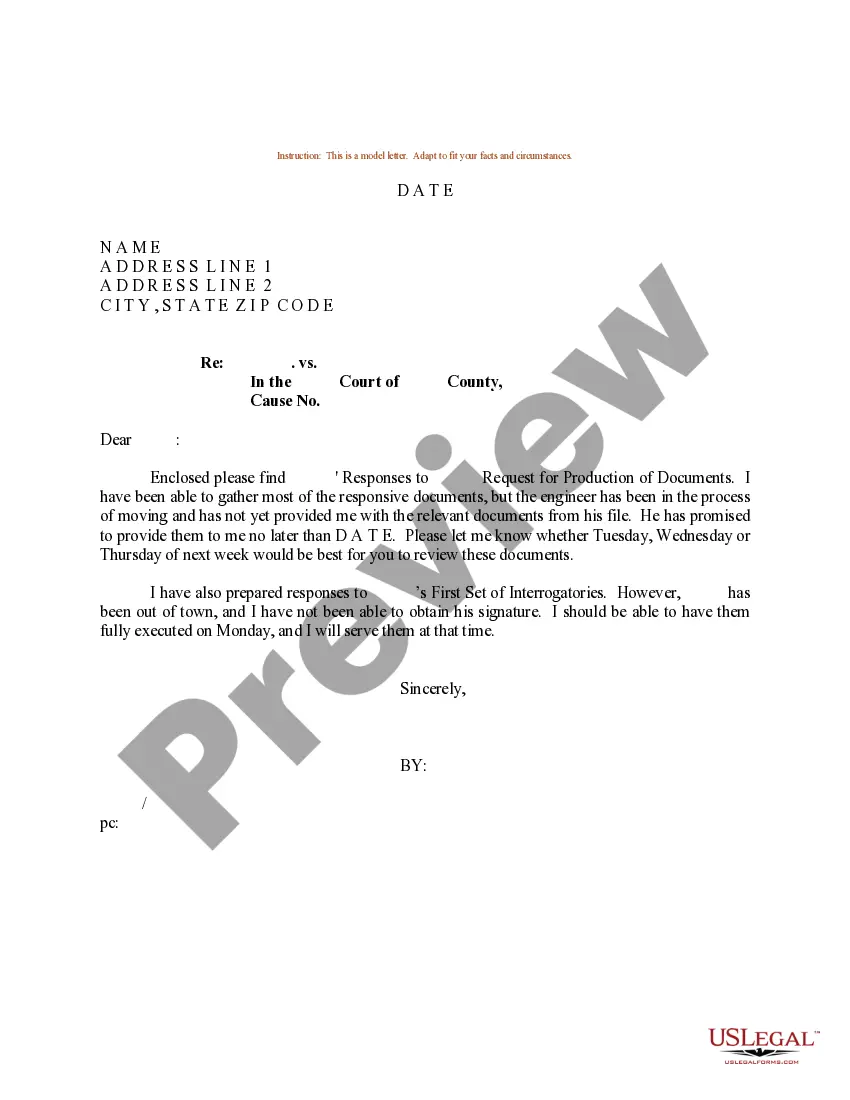
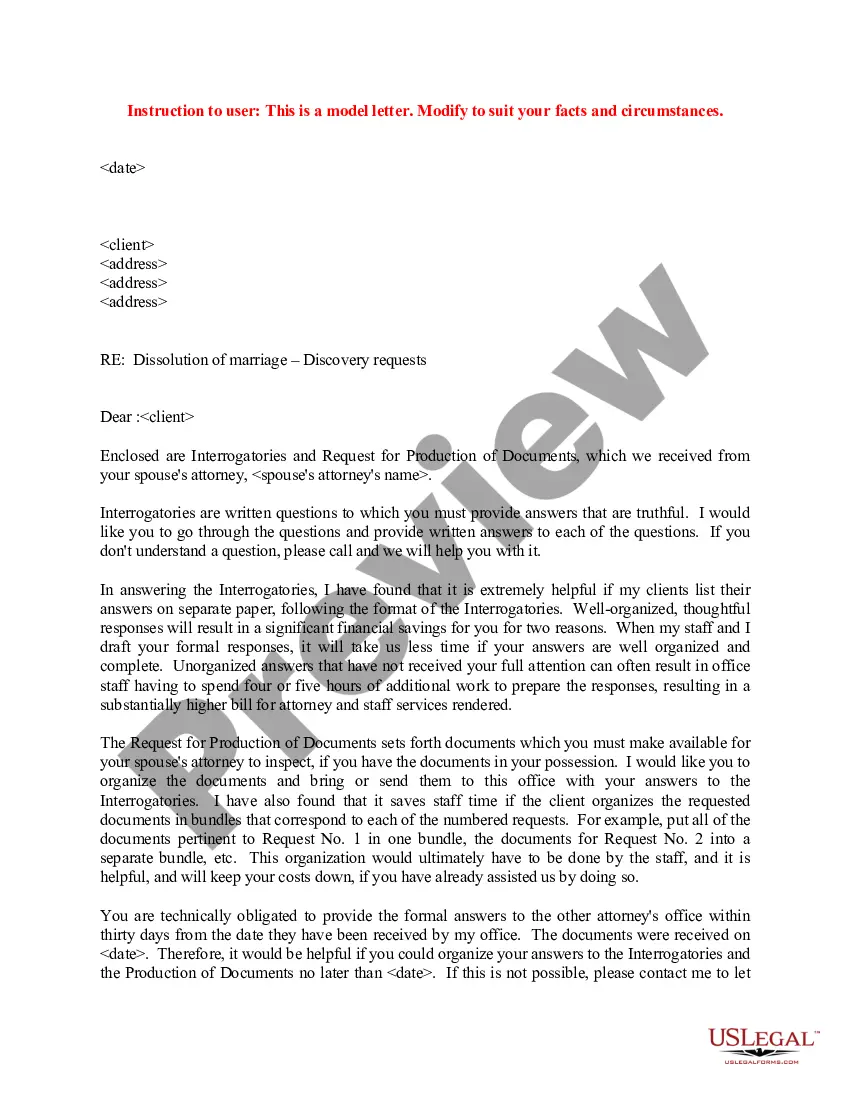
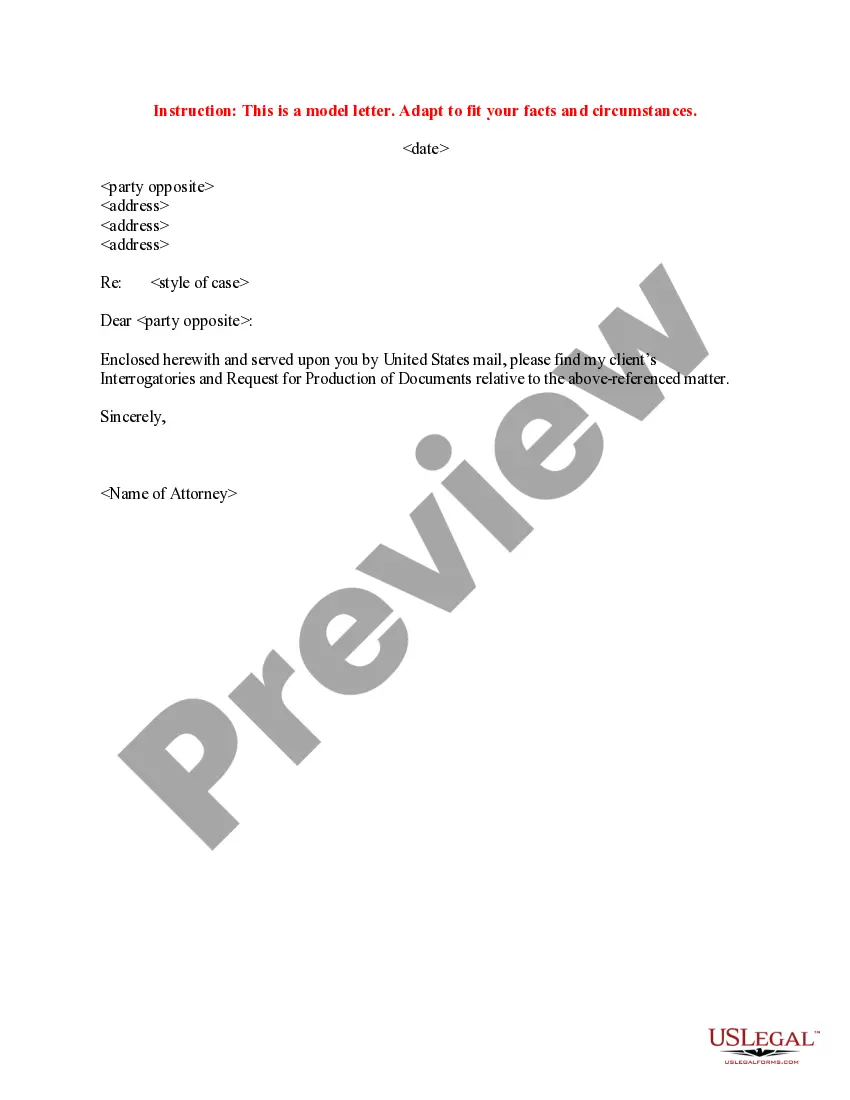
Get your form ready online
Our built-in tools help you complete, sign, share, and store your documents in one place.
Make edits, fill in missing information, and update formatting in US Legal Forms—just like you would in MS Word.
Download a copy, print it, send it by email, or mail it via USPS—whatever works best for your next step.
Sign and collect signatures with our SignNow integration. Send to multiple recipients, set reminders, and more. Go Premium to unlock E-Sign.
If this form requires notarization, complete it online through a secure video call—no need to meet a notary in person or wait for an appointment.
We protect your documents and personal data by following strict security and privacy standards.

Make edits, fill in missing information, and update formatting in US Legal Forms—just like you would in MS Word.

Download a copy, print it, send it by email, or mail it via USPS—whatever works best for your next step.

Sign and collect signatures with our SignNow integration. Send to multiple recipients, set reminders, and more. Go Premium to unlock E-Sign.

If this form requires notarization, complete it online through a secure video call—no need to meet a notary in person or wait for an appointment.

We protect your documents and personal data by following strict security and privacy standards.
Looking for another form?






Form popularity
FAQ
Pursuant to the Rule of Judicial Administration 2.425, sensitive information filed in court cases must be limited to the designated format, e.g., no portion of any social security or credit card number, the last 4 digits of any driver license or passport number, the year of birth of a person's birth date, etc.
Proper Discovery Objections To Requests For Production Ambiguous (only if the question is really unintelligible) Cembrook v Superior Court (56 C2d 423, 430) Improper form CCP § 2031.030 Information equally available CCP § 2031.230 Insufficient particularity CCP § 2031.030(c)(1)
Interrogatories are lists of questions sent to the other party that s/he must respond to in writing. You can use interrogatories to find out facts about a case but they cannot be used for questions that draw a legal conclusion.
Argumentative. You may object to an interrogatory that is argumentative. An interrogatory is argumentative if it asks you to adopt an assumption.
Rule 12.540 of the Florida Family Law Rules of Procedure not only provides the vehicle for a party to seek relief from a judgment, but the rule also extends the time limit for a party to submit a motion to set aside a judgment due to fraudulent financial affidavits in that party's divorce or paternity case.
No Early Discovery. Under the new rules, you can't conduct additional discovery until you've served your initial disclosures. That means no depositions, interrogatories, or document requests will fly until you've handed over your required info. Waiting could stall your defense strategy.
The most common discovery objection our lawyers see is the objection that the interrogatories are not relevant to the litigation or are too burdensome to answer. Another objection our attorneys see frequently because we asked detailed questions that pin down defendants is that the request calls for a legal conclusion.
How Does Discovery Work? There are four main types of discovery requests: (1) depositions; (2) interrogatories; (3) requests for admissions; and (4) requests for the production of documents. Depositions are formal witness interviews.
The working group's professionalism proposal, Rule 1.279: Standards of Conduct for Discovery, cautions against “surprise tactics, delay, trickery, and concealment of discoverable information” and reminds attorneys that “not meeting discovery obligations by delay, obstructing the truth, or failing to be candid with the ...
