Requesting Discovery Form For Divorce In Florida
Description
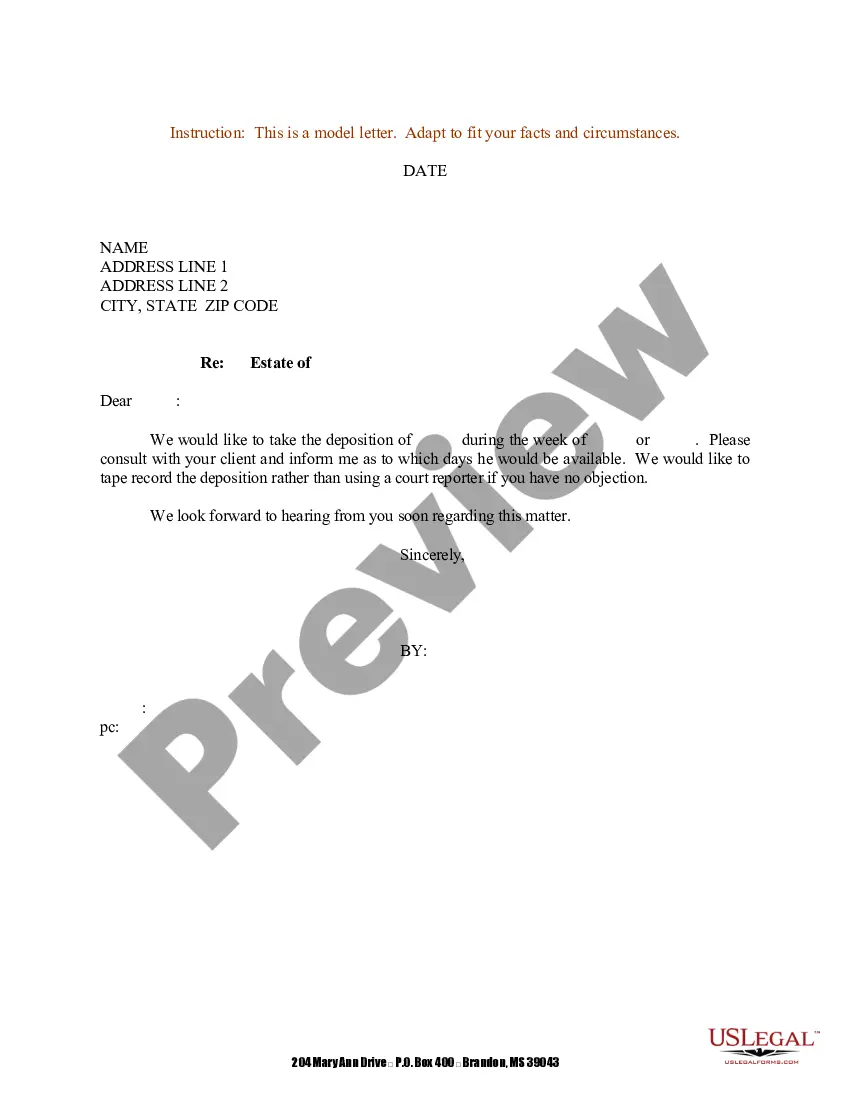
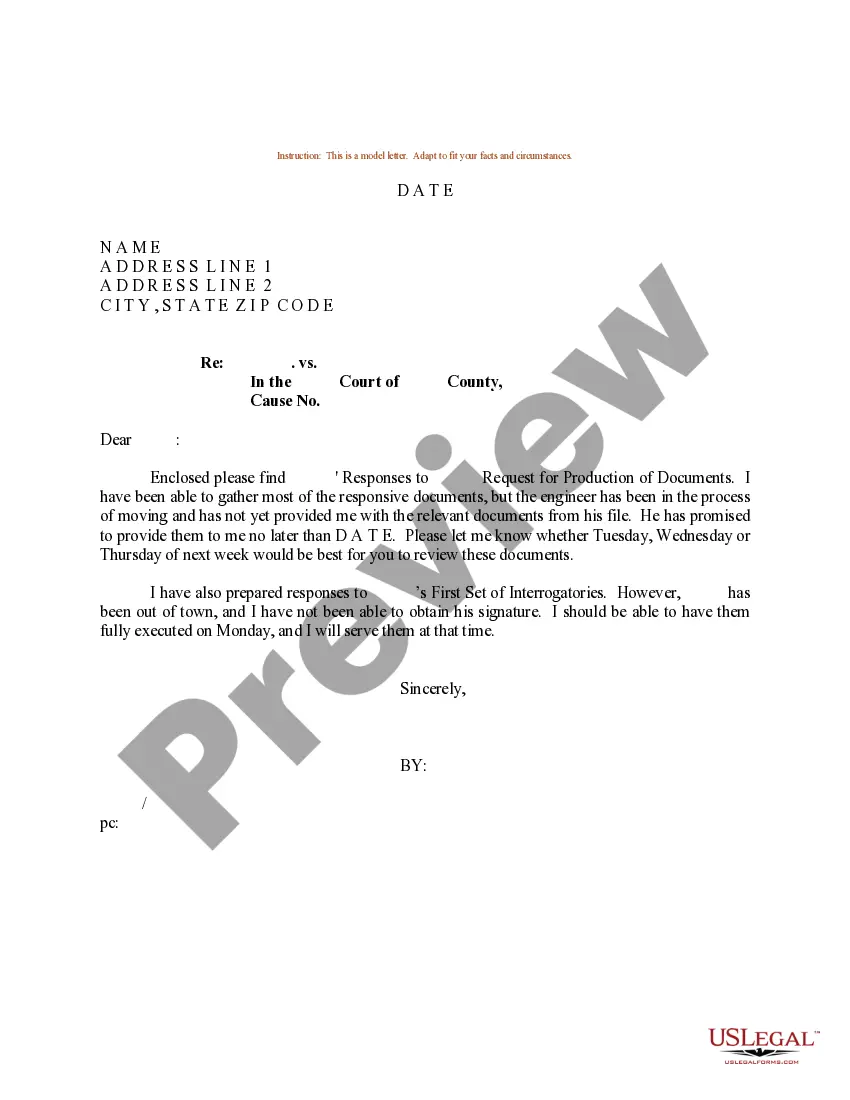
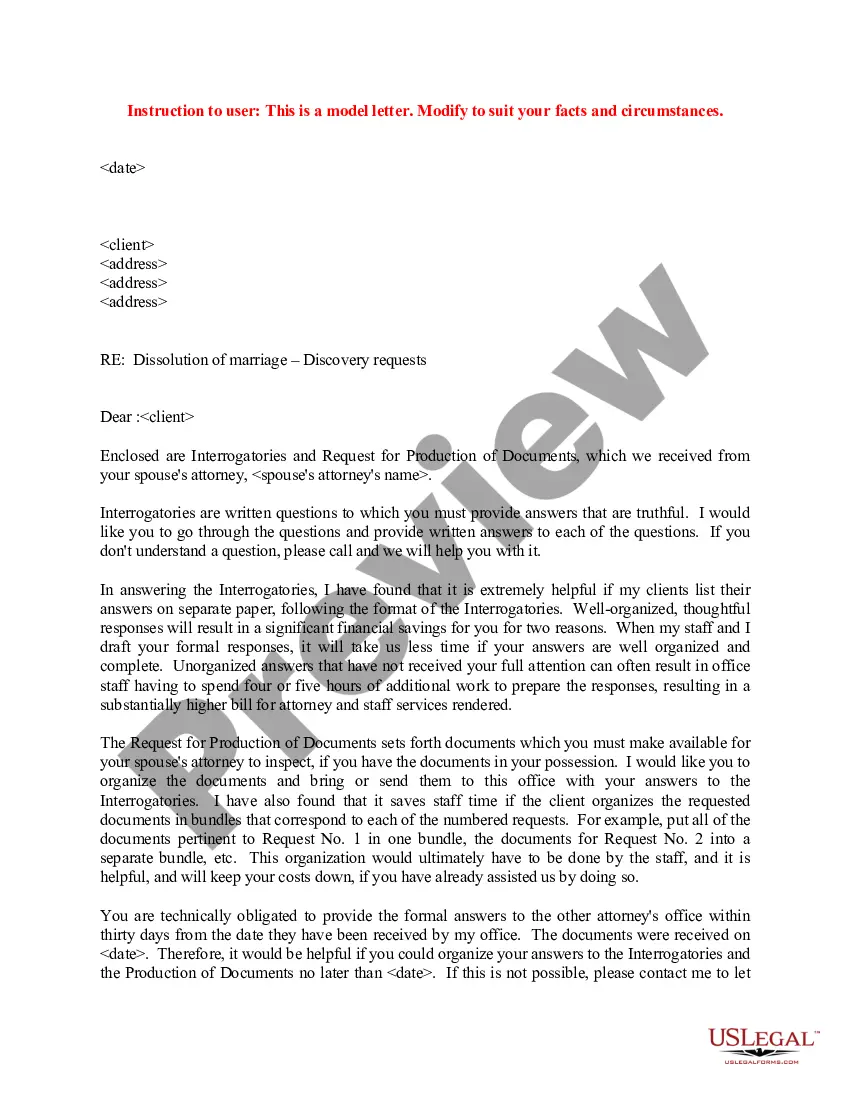
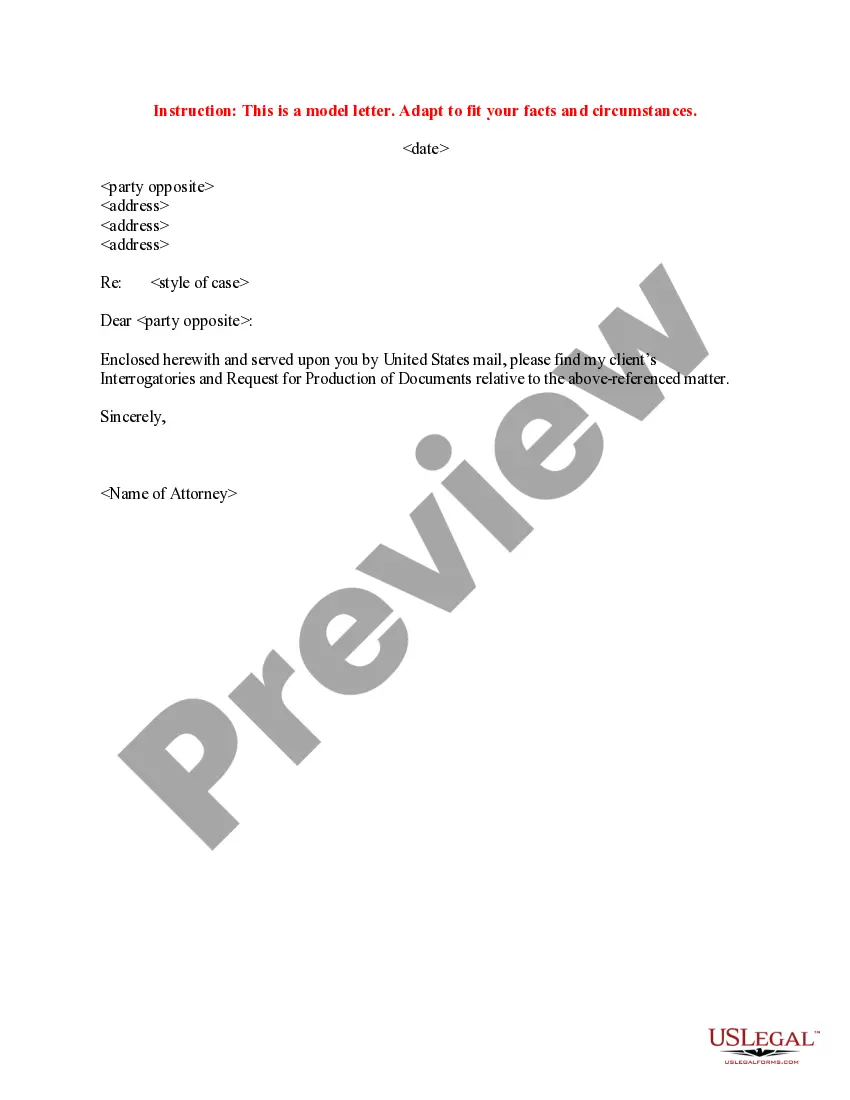
Get your form ready online
Our built-in tools help you complete, sign, share, and store your documents in one place.
Make edits, fill in missing information, and update formatting in US Legal Forms—just like you would in MS Word.
Download a copy, print it, send it by email, or mail it via USPS—whatever works best for your next step.
Sign and collect signatures with our SignNow integration. Send to multiple recipients, set reminders, and more. Go Premium to unlock E-Sign.
If this form requires notarization, complete it online through a secure video call—no need to meet a notary in person or wait for an appointment.
We protect your documents and personal data by following strict security and privacy standards.

Make edits, fill in missing information, and update formatting in US Legal Forms—just like you would in MS Word.

Download a copy, print it, send it by email, or mail it via USPS—whatever works best for your next step.

Sign and collect signatures with our SignNow integration. Send to multiple recipients, set reminders, and more. Go Premium to unlock E-Sign.

If this form requires notarization, complete it online through a secure video call—no need to meet a notary in person or wait for an appointment.

We protect your documents and personal data by following strict security and privacy standards.
Looking for another form?






Form popularity
FAQ
If a spouse will not sign the divorce papers, the process will take longer and be more complex. However, the missing signature will not stop it. Instead, the party requesting the divorce will file the petition in court and serve papers on the other spouse. If they do not respond, the court may grant a default judgment.
Every State in the US has different laws concerning this, but none of them require any party to actually sign off on a divorce petition except the one filing the petition. The petition is SERVED to the other party and no signature is required. It's an adversarial civil action.
Evidence of Cheating or Bad Behavior Parenting Decisions and Custody. The court prioritizes the best interests of the child in custody decisions. Public Arguments and Outbursts. Losing your temper can harm your case. Misrepresentation or Lies. Taking Steps to Protect Yourself. Take Control of Your Divorce Case.
ORDER FROM FLORIDA BUREAU OF VITAL STATISTICS The Bureau of Vital Statistics offers walk-in or mail-in services. To save time, download and complete the forms you need. The Bureau of Vital Statistics may be reached at (904) 359-6900, ext. 9000.
Contested Cases The process from beginning to end for a contested case is long, delayed, and unpredictable. A contested divorce case can take anywhere from nine months, to three years. Occasionally a Florida divorce case can last up to 5 or 6 years. But an extreme situation such as that is rare.
Discovery Served with the Statement of Claim / Complaint If a written discovery request is served upon a Defendant contemporaneously with Plaintiff's complaint, Defendant must serve its responses to the discovery within 45 days of the date of service of Plaintiff's Complaint.
A party issuing a subpoena through an attorney of record or clerk of the court under this rule must, on the same day as the subpoena is served, serve each party to the proceeding with a notice of issuance of subpoena and file this notice with the court.
Florida's statute of limitations for personal injury cases is generally two years from the date of the injury. However, the discovery rule allows for an exception: the statute of limitations may begin on the date you first discovered (or reasonably should have discovered) the injury.
The privilege log, appendix and accompanying memorandum of law must be sufficient to establish a prima facie case to support assertion of each privilege or protection. No party may submit documents for the Court's in camera review, unless the Court issues a subsequent order requesting such submissions.

