Requesting Discovery Form For Canada In Fairfax
Description
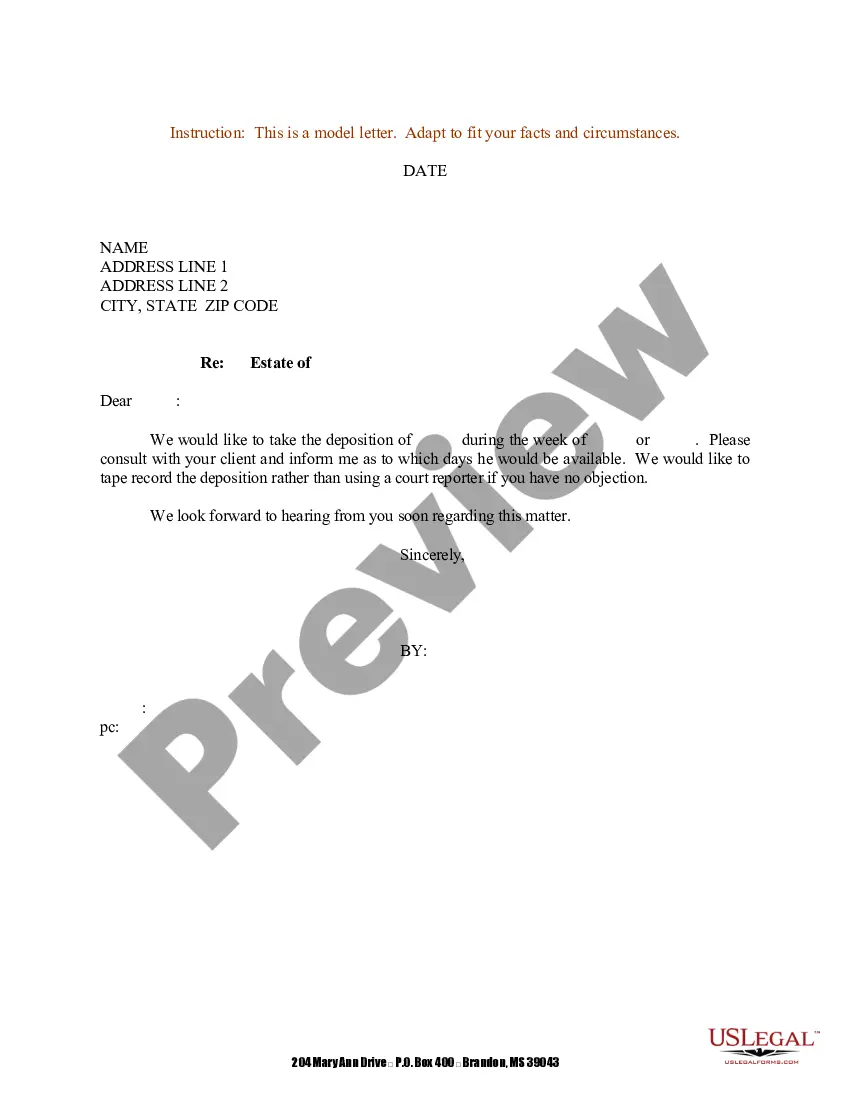
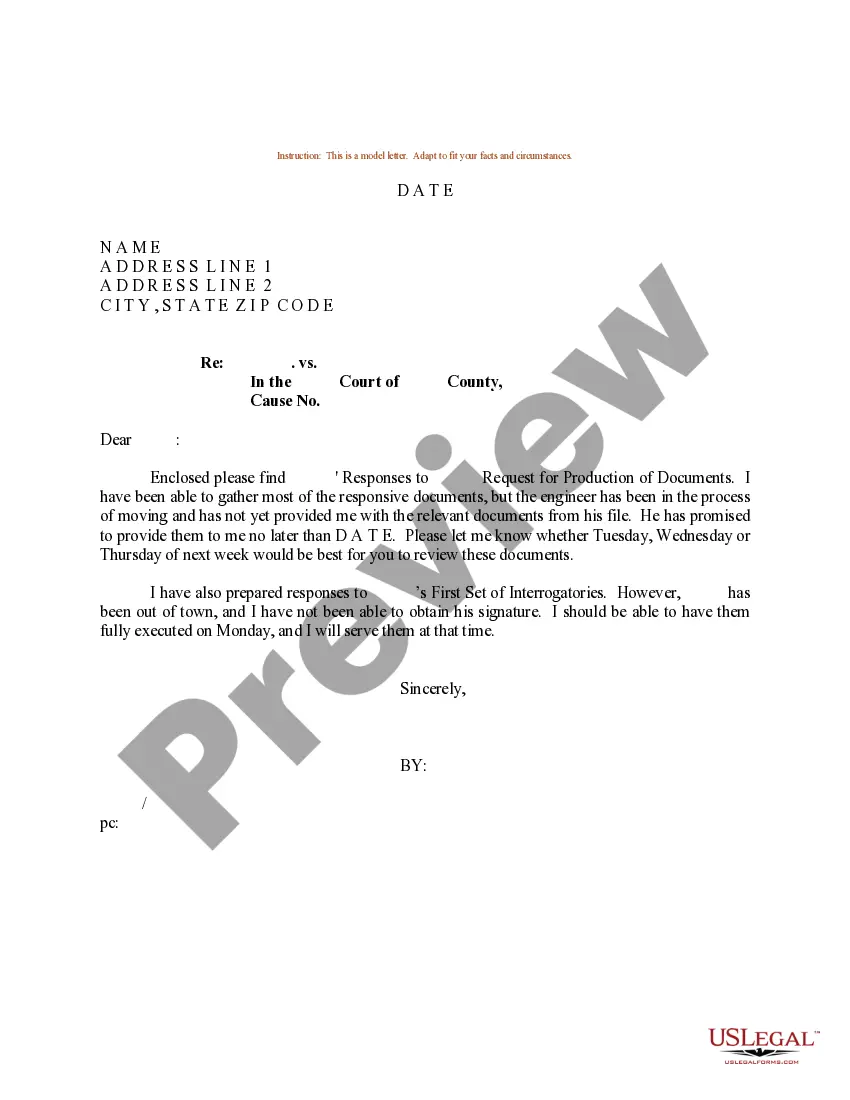
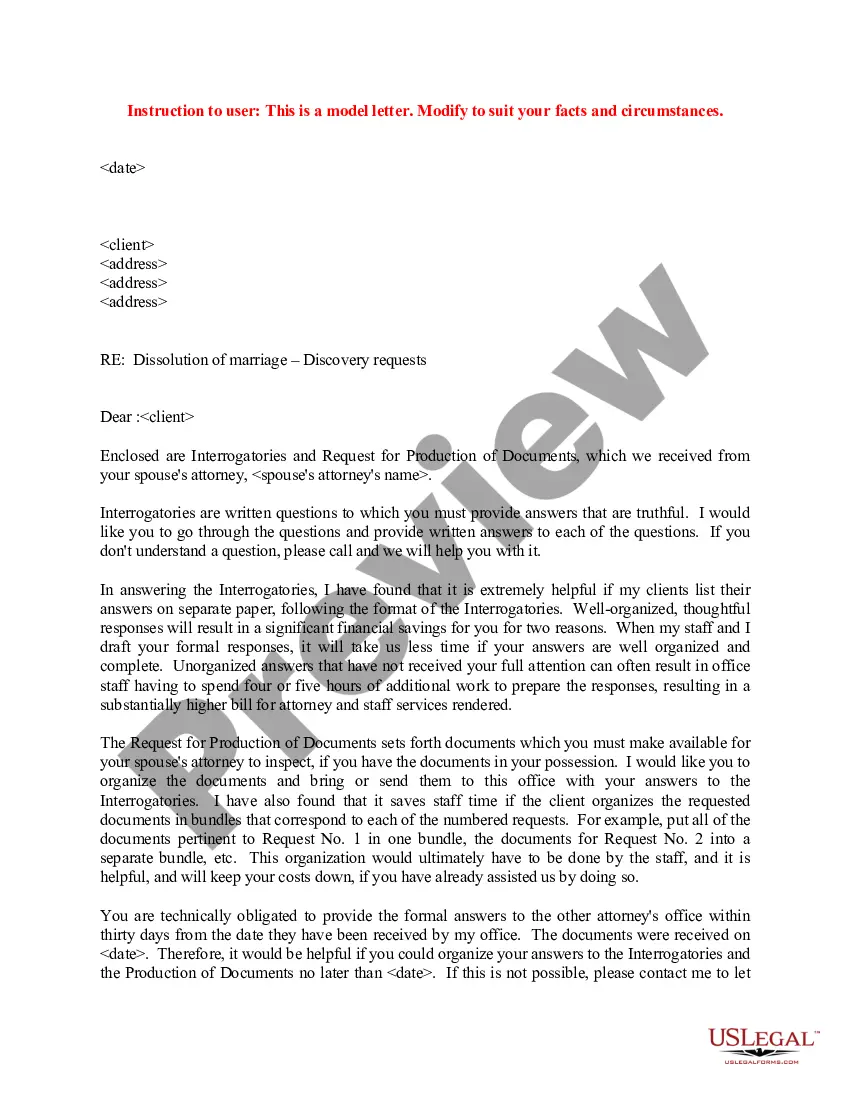
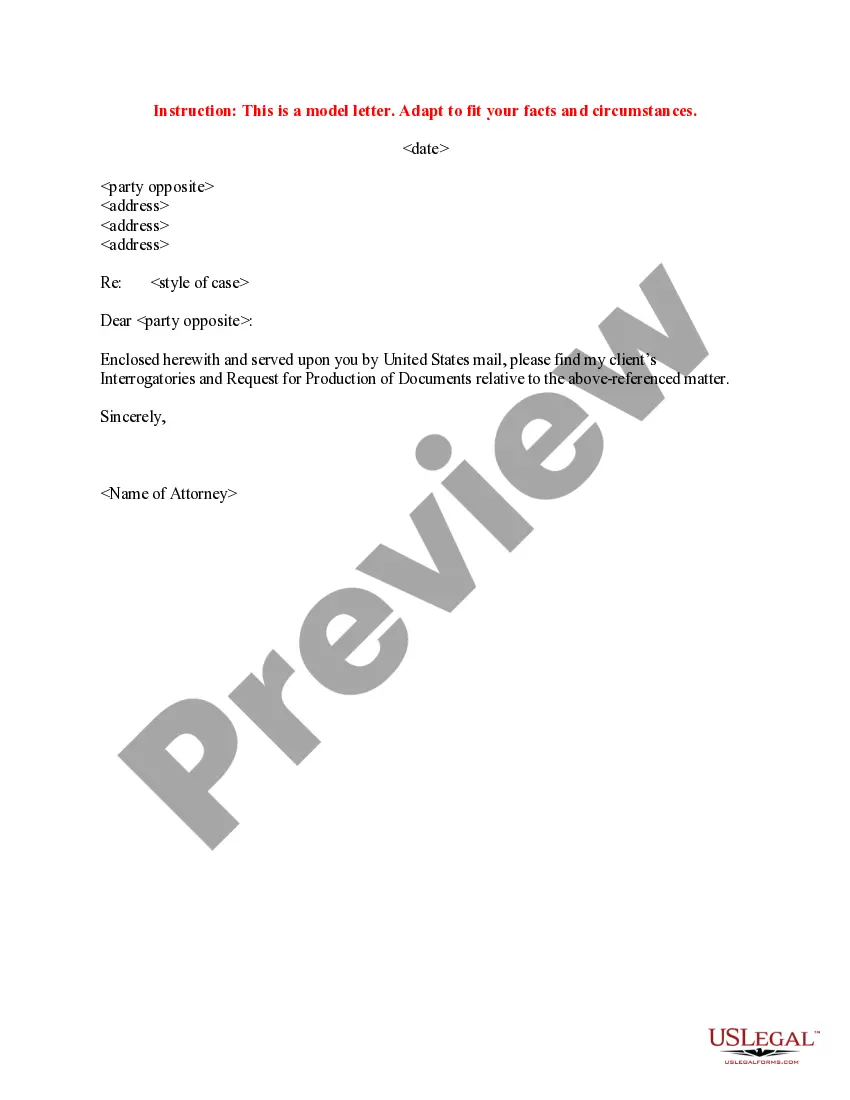
Get your form ready online
Our built-in tools help you complete, sign, share, and store your documents in one place.
Make edits, fill in missing information, and update formatting in US Legal Forms—just like you would in MS Word.
Download a copy, print it, send it by email, or mail it via USPS—whatever works best for your next step.
Sign and collect signatures with our SignNow integration. Send to multiple recipients, set reminders, and more. Go Premium to unlock E-Sign.
If this form requires notarization, complete it online through a secure video call—no need to meet a notary in person or wait for an appointment.
We protect your documents and personal data by following strict security and privacy standards.

Make edits, fill in missing information, and update formatting in US Legal Forms—just like you would in MS Word.

Download a copy, print it, send it by email, or mail it via USPS—whatever works best for your next step.

Sign and collect signatures with our SignNow integration. Send to multiple recipients, set reminders, and more. Go Premium to unlock E-Sign.

If this form requires notarization, complete it online through a secure video call—no need to meet a notary in person or wait for an appointment.

We protect your documents and personal data by following strict security and privacy standards.
Looking for another form?








Form popularity
FAQ
Parties may obtain discovery regarding any matter, not privileged, which is relevant to the subject matter involved in the pending action, whether it relates to the claim or defense of the party seeking discovery or to the claim or defense of any other party, including the existence, description, nature, custody, ...
You or your lawyer may file a motion for discovery to request that the state produce evidence it plans to introduce at trial. Your lawyer needs to know the type of evidence the state will use against you at trial so that they can properly prepare for your case.
The parties shall complete discovery, including depositions, by 30 days before trial; however, depositions taken in lieu of live testimony at trial will be permitted until 15 days before trial.
A standard entry on criminal dockets is “Motion for Discovery.” This motion is a tool your criminal defense lawyer uses to access the prosecution's information and evidence against you. Virtually every criminal case that reaches trial will undergo the discovery process.
Under the Rules, a written motion must be filed to ask for discovery. It must be filed at least 10 days before trial. What Information Must the Prosecutor Provide? In general, discovery is limited to information that the prosecutor or local law enforcement has.
Each division in the Fairfax County General District Court accepts certain types of documents for email filing at our public email address, GDCMail@fairfaxcounty.
You can email us at GDCMail@fairfaxcounty.
Outside of the Supreme Court, always use “The Honorable (full name)” in your correspondence. STATE COURTS Note: States may vary on titles of judges.
Write the Salutation If the letter is intended for a judge, type "Dear Judge (Last name):" and include a colon after the judge's name. If you are addressing it to a member of the court staff, type "Dear Ms. Smith:" and include a colon after the person's name.

