Requesting Discovery Form With Attorney In Collin
Description
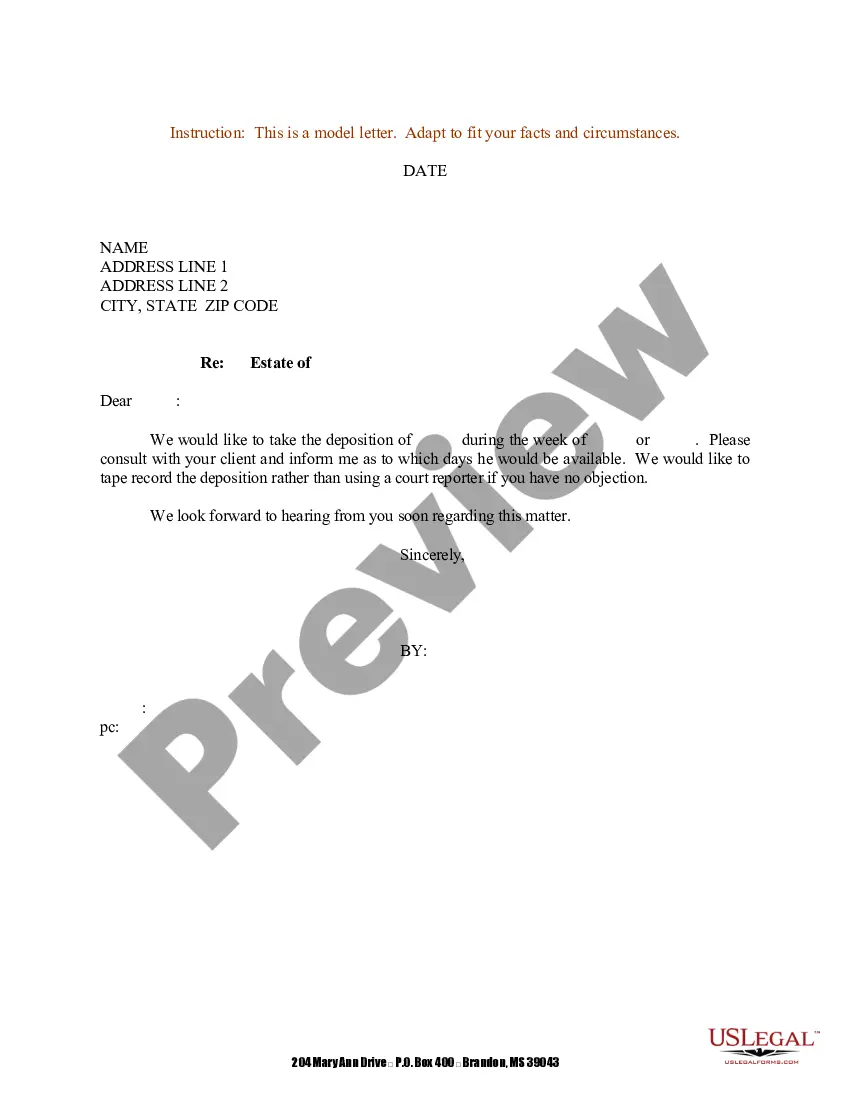
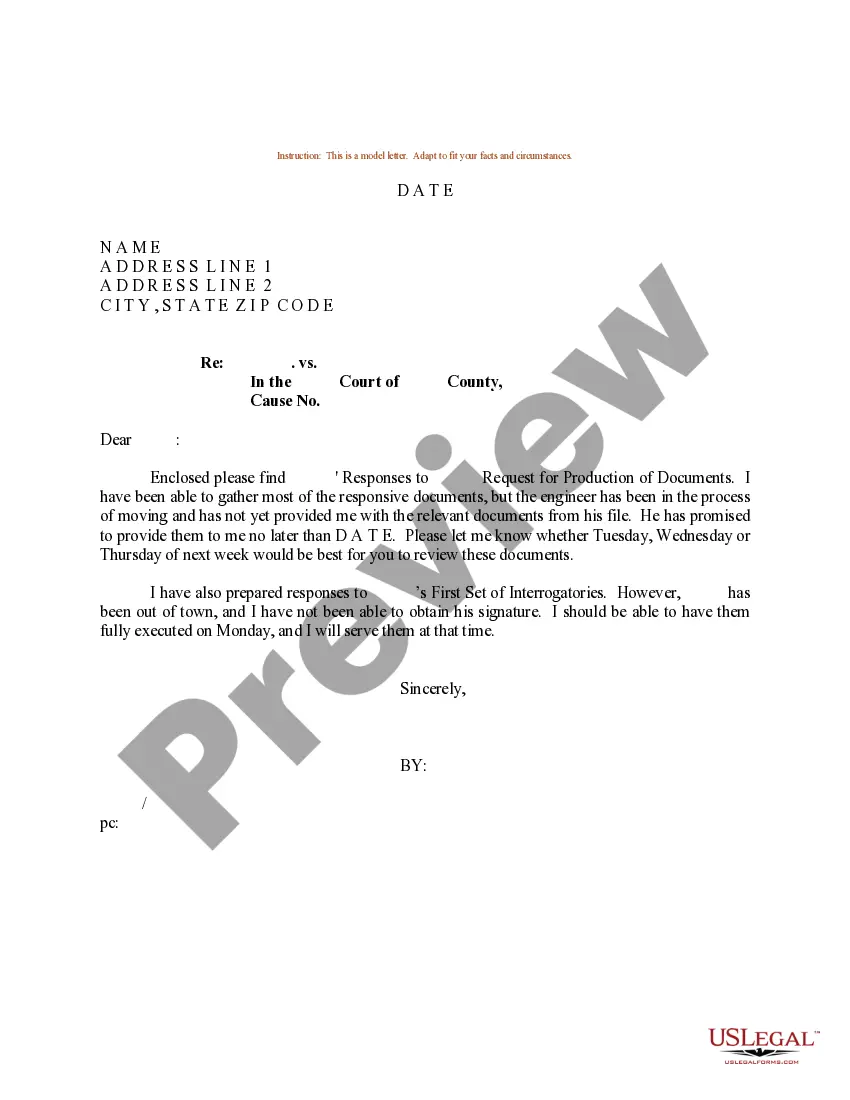
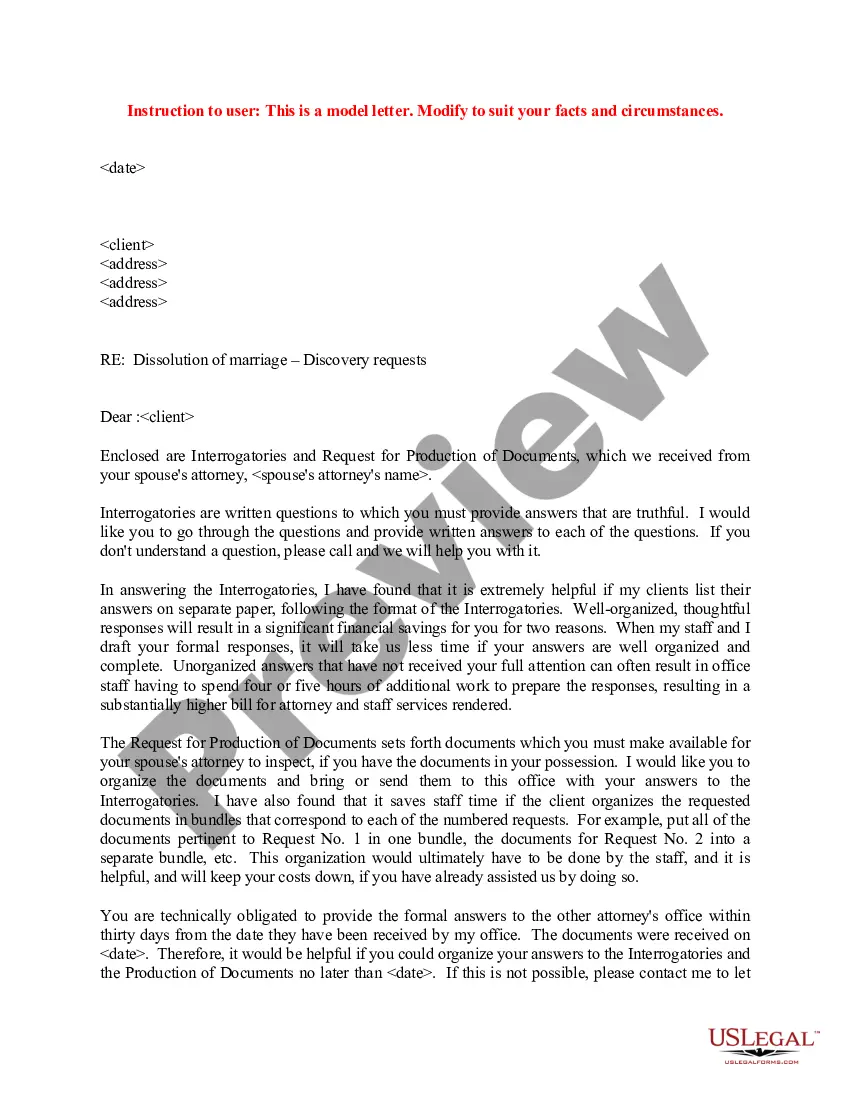
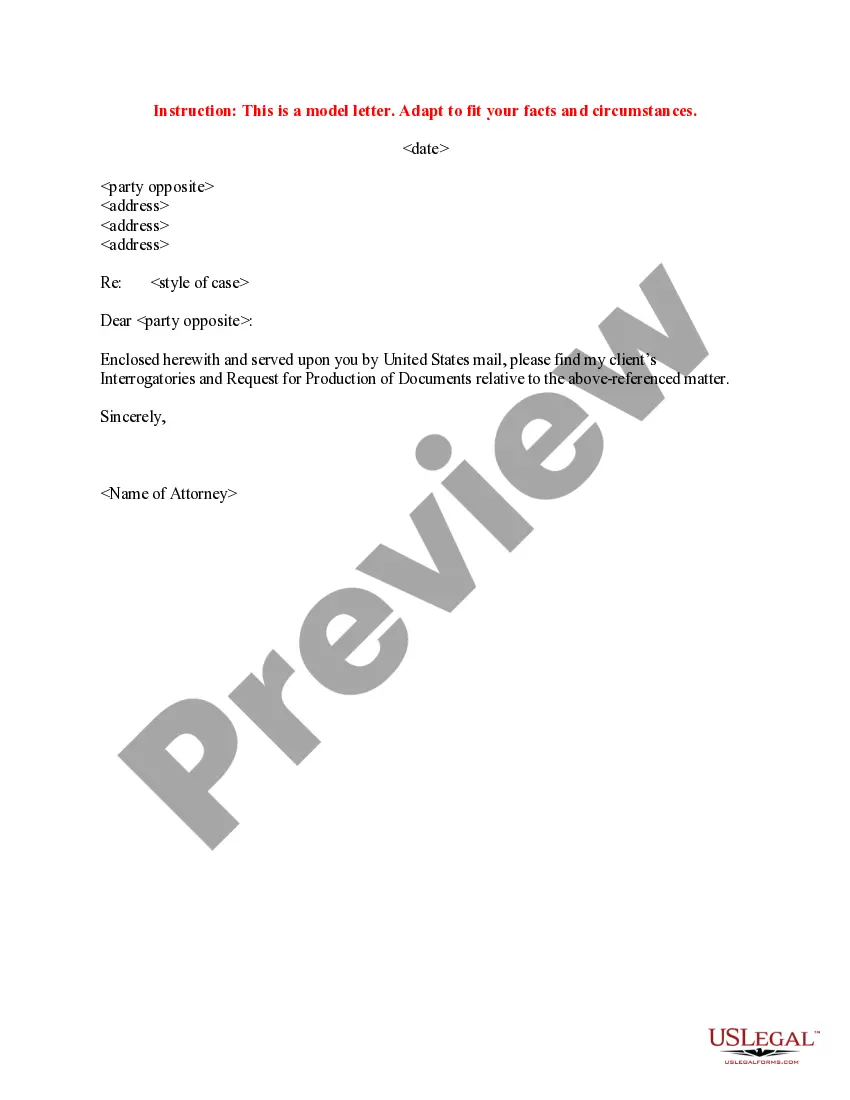
Get your form ready online
Our built-in tools help you complete, sign, share, and store your documents in one place.
Make edits, fill in missing information, and update formatting in US Legal Forms—just like you would in MS Word.
Download a copy, print it, send it by email, or mail it via USPS—whatever works best for your next step.
Sign and collect signatures with our SignNow integration. Send to multiple recipients, set reminders, and more. Go Premium to unlock E-Sign.
If this form requires notarization, complete it online through a secure video call—no need to meet a notary in person or wait for an appointment.
We protect your documents and personal data by following strict security and privacy standards.

Make edits, fill in missing information, and update formatting in US Legal Forms—just like you would in MS Word.

Download a copy, print it, send it by email, or mail it via USPS—whatever works best for your next step.

Sign and collect signatures with our SignNow integration. Send to multiple recipients, set reminders, and more. Go Premium to unlock E-Sign.

If this form requires notarization, complete it online through a secure video call—no need to meet a notary in person or wait for an appointment.

We protect your documents and personal data by following strict security and privacy standards.
Looking for another form?









Form popularity
FAQ
Abstract of Judgment: If the defendant owns real property (land), you can get an abstract of judgment from the court that issued the judgment and file it with the county clerk in the county or counties where the defendant owns the property.
Abstract of Judgment: If the defendant owns real property (land), you can get an abstract of judgment from the court that issued the judgment and file it with the county clerk in the county or counties where the defendant owns the property.
An abstract of judgment is a document that is filed in the property records of a county. This filing provides details about the judgment and about the debtor so that it can be properly indexed. A properly recorded and indexed abstract of judgment creates a lien on the defendant's nonexempt real property.
An Abstract of Judgment is sent from the Court to the jail and California Department of Corrections and Rehabilitation if the Court sentences a subject to prison and if the subject is in custody and if the subject is detained pending transport.
Eviction cases must be filed in the in the justice court in the precinct and county where the property is located. If you file the case in any other precinct, the court must dismiss your case, and you do not get a refund of the filing fees. The court may be able to help you determine the proper precinct to file in.
Getting information from the other side. You use discovery to get information or evidence from the other side in a lawsuit that will help you make your case. In order to get the information you need, you must make a request using a specific procedure and written format, within a specific timeframe.
The Texas Discovery Rule is a legal concept that plays a crucial role in the state's civil litigation process. Imagine you find yourself in a situation where you believe you have a legal claim, but you only discover the harm or injury later on. In such cases, the Texas Discovery Rule becomes particularly significant.
Generally, the party receiving the discovery request has 30 days to respond. Some exceptions and variations apply, so make sure you review how much time you have to respond depending on the type of case, the rules, and the type of discovery method used.
A document not filed electronically may be served in person, by mail, by commercial delivery service, by fax, or by email.
When a party requests documents or answers to questions from the opposing party in a lawsuit, you must do so in the form of a Motion for Discovery. A Motion for Discovery may be filed with the Court via E-File, Email, in person, or by US Mail.

