Requesting Discovery Form For Personal Injury Courts In Clark
Description
Get your form ready online
Our built-in tools help you complete, sign, share, and store your documents in one place.
Make edits, fill in missing information, and update formatting in US Legal Forms—just like you would in MS Word.
Download a copy, print it, send it by email, or mail it via USPS—whatever works best for your next step.
Sign and collect signatures with our SignNow integration. Send to multiple recipients, set reminders, and more. Go Premium to unlock E-Sign.
If this form requires notarization, complete it online through a secure video call—no need to meet a notary in person or wait for an appointment.
We protect your documents and personal data by following strict security and privacy standards.

Make edits, fill in missing information, and update formatting in US Legal Forms—just like you would in MS Word.

Download a copy, print it, send it by email, or mail it via USPS—whatever works best for your next step.

Sign and collect signatures with our SignNow integration. Send to multiple recipients, set reminders, and more. Go Premium to unlock E-Sign.

If this form requires notarization, complete it online through a secure video call—no need to meet a notary in person or wait for an appointment.

We protect your documents and personal data by following strict security and privacy standards.
Looking for another form?






Form popularity
FAQ
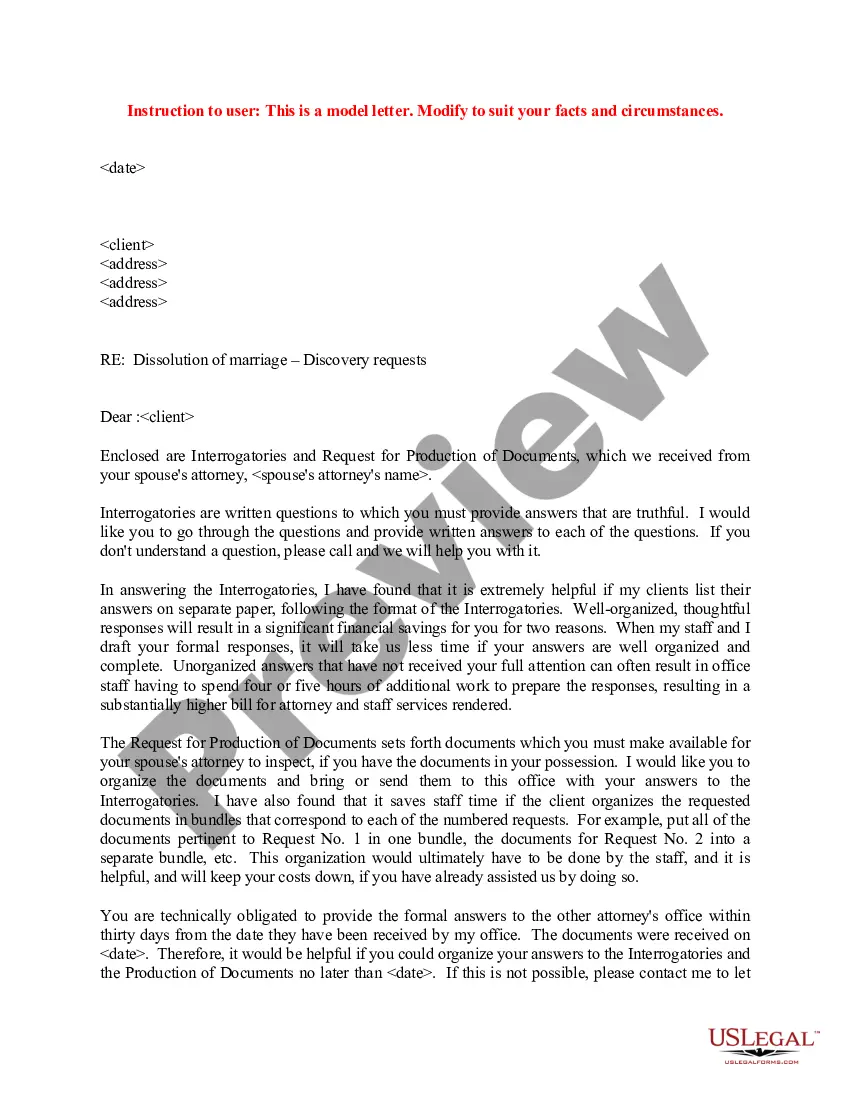
Discovery is the process of obtaining the evidence that the state plans to use against a defendant. It's just a fancy word for evidence. Whenever an attorney says, “I'm going to request discovery,” that means they're going to get the evidence that the state claims they have.
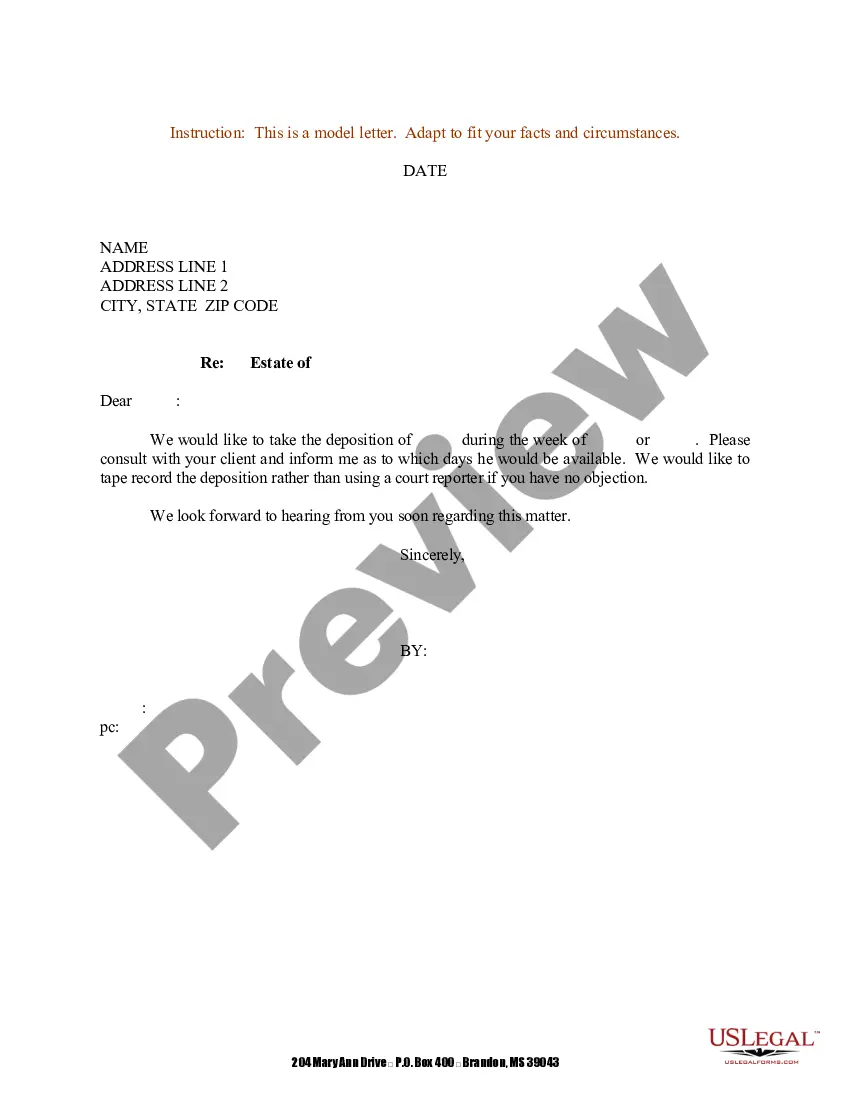
How Does Discovery Work? There are four main types of discovery requests: (1) depositions; (2) interrogatories; (3) requests for admissions; and (4) requests for the production of documents. Depositions are formal witness interviews.
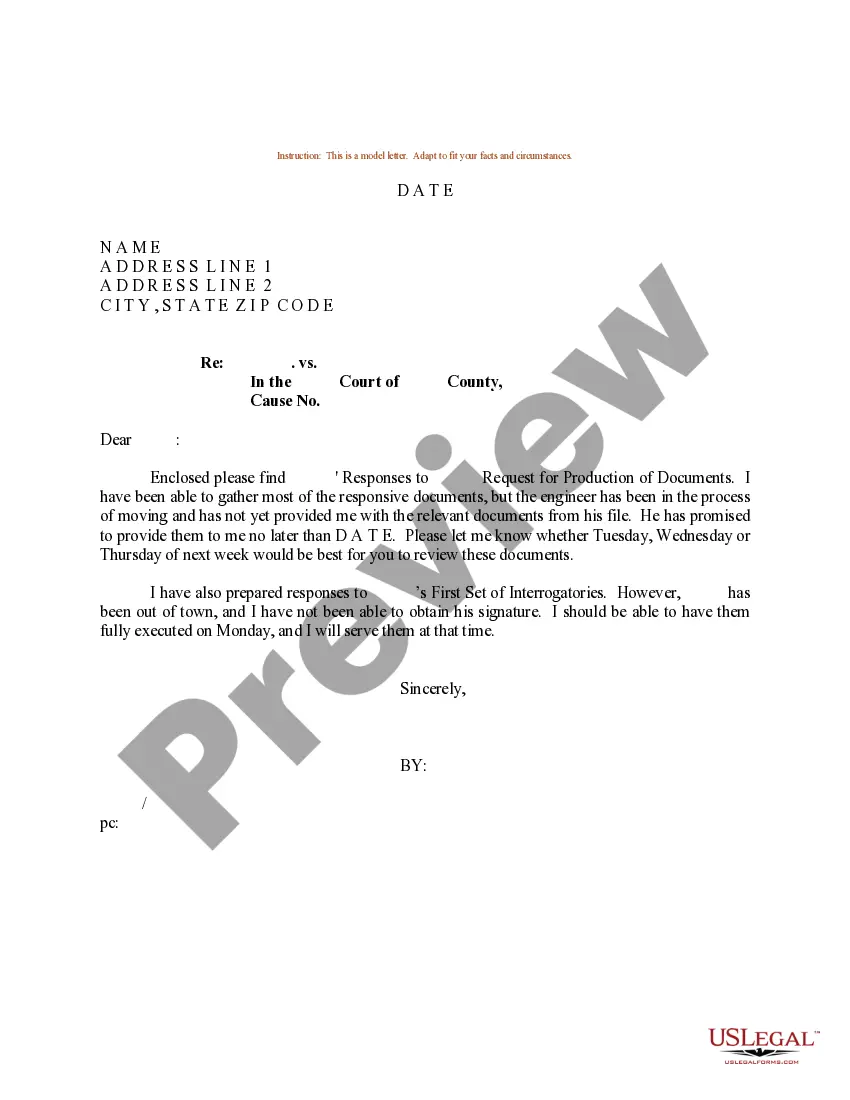
Discovery is the formal process by which the parties to a case in court exchange information about the case. This includes information about the witnesses and evidence to be presented at trial. Its purpose is to make the parties aware of the evidence which may be presented at trial.
The discovery phase provides a solid foundation for doing the work later during the project development process. It's a crucial step that helps set the stage for a successful project by sorting out potential problems, aligning everyone's expectations, and ensuring everyone knows what they're working towards.
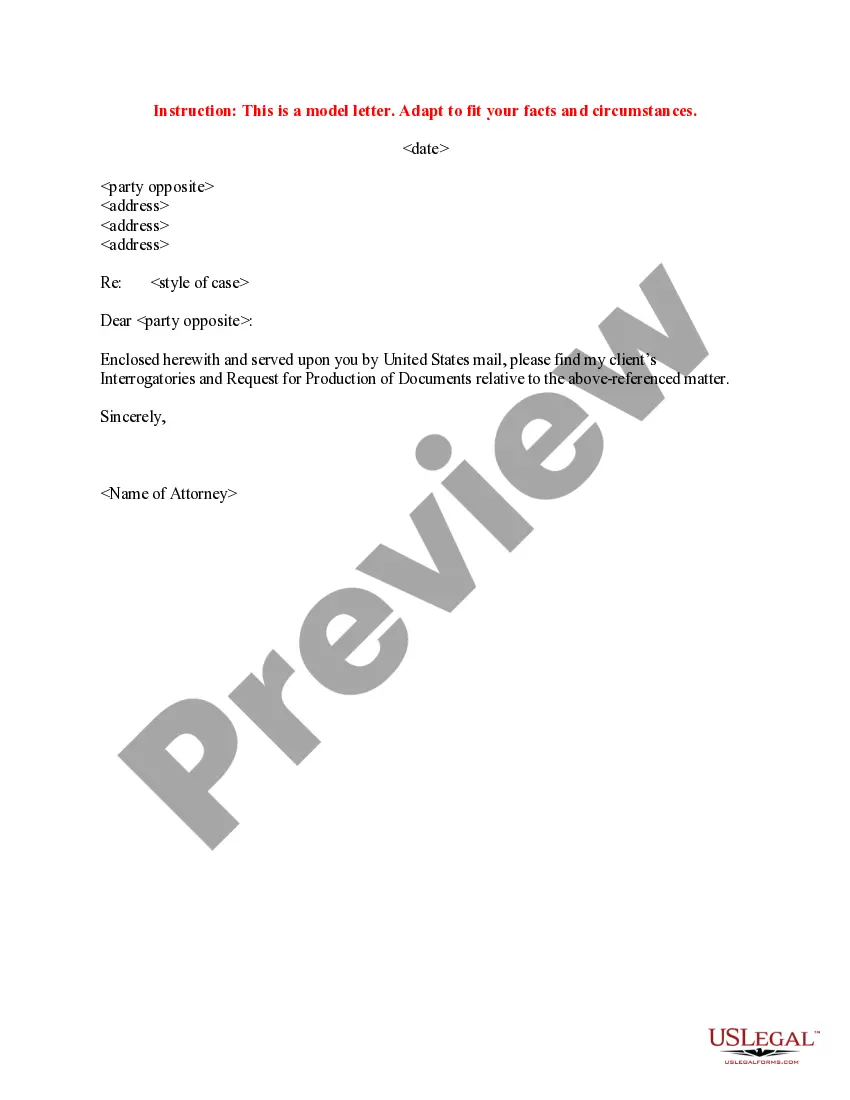
A discovery plan is an essential part of effectively implementing the best use of formal and informal discovery methods. You need a good road map. A litigation discovery plan provides the scope of discovery and a timeline for implementing the discovery to support legal theories, remedies and to counter defenses.
How Does Discovery Work? There are four main types of discovery requests: (1) depositions; (2) interrogatories; (3) requests for admissions; and (4) requests for the production of documents. Depositions are formal witness interviews.
If the parties are having a dispute, either party can file a motion with the court asking the judge to order the other side to respond to discovery requests or punish the other side for failing to respond to discovery requests or for making unreasonable discovery requests.
Unless otherwise limited by court order, the scope of discovery is as follows: Parties may obtain discovery regarding any nonprivileged matter that is relevant to any party's claim or defense, including the existence, description, nature, custody, condition, and location of any documents, electronically stored ...
In the United States, discovery is mostly performed by the litigating parties themselves, with relatively minimal judicial oversight. The Federal Rules of Civil Procedure guide discovery in the U.S. federal court system.

