Sample Letter Requesting For Help With Rent Assistance In California
Description
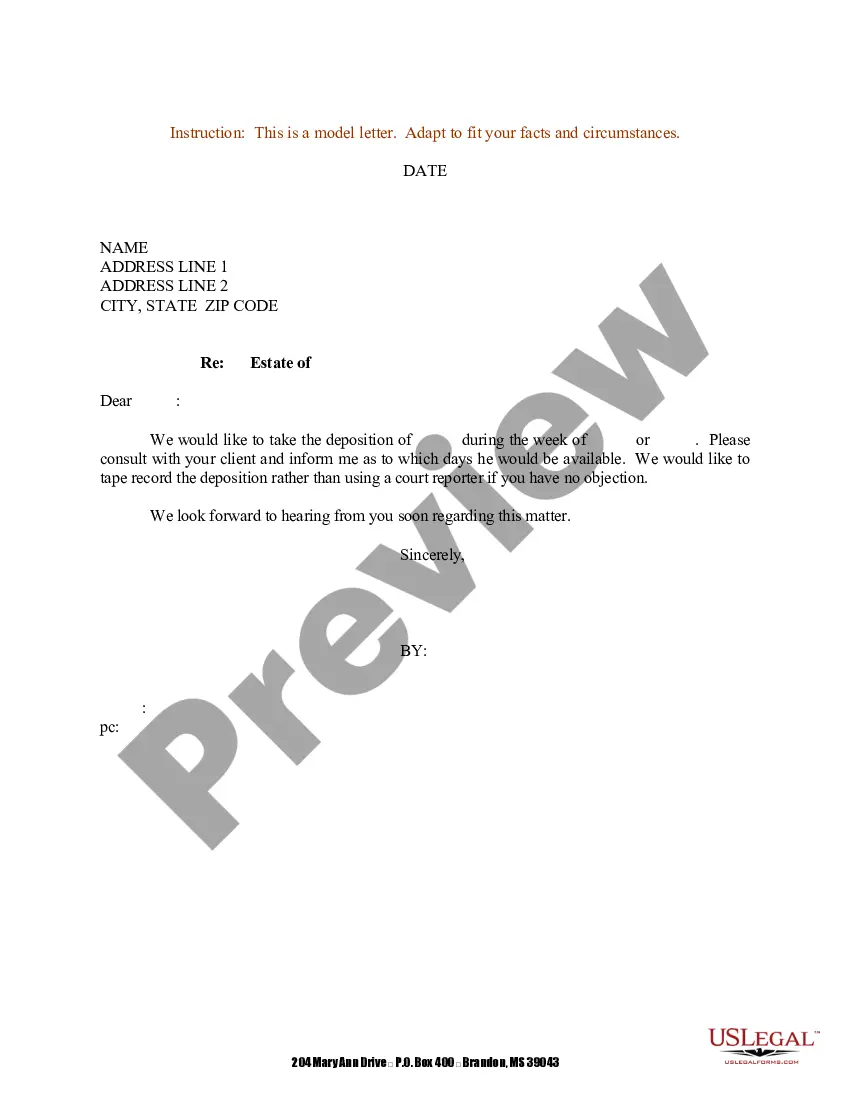
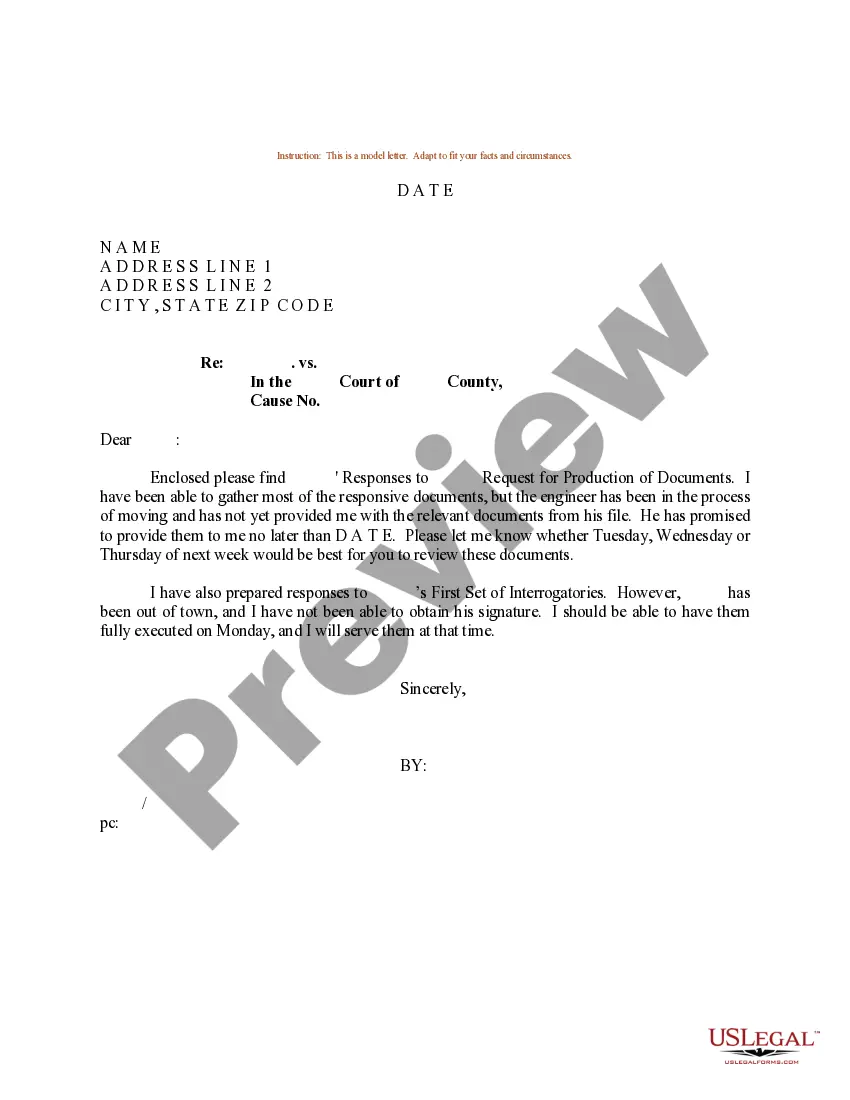
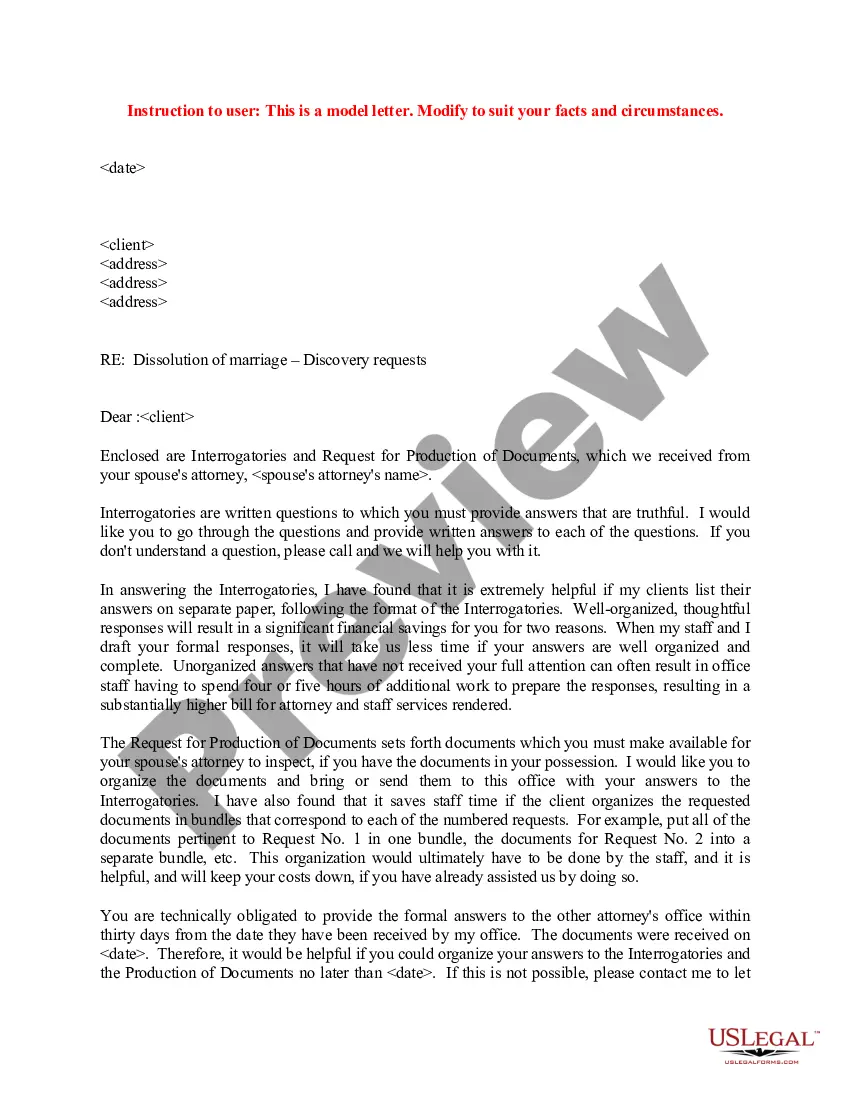
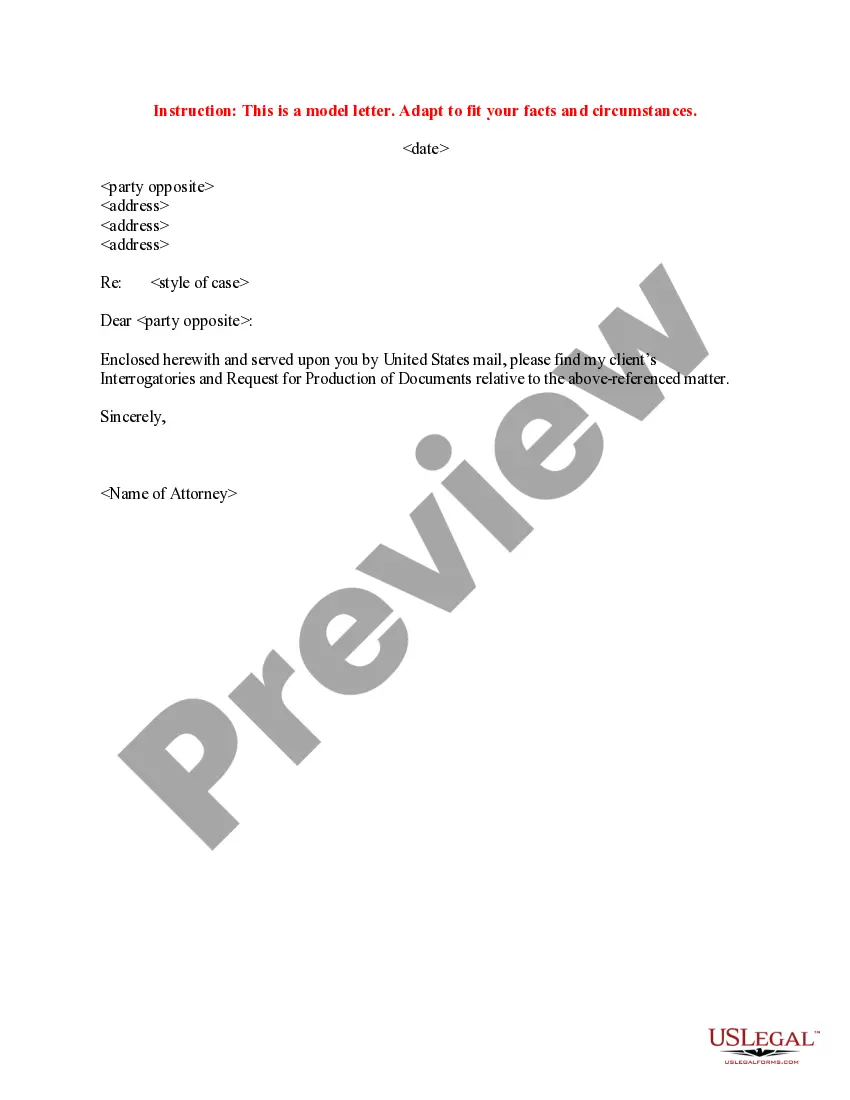
Get your form ready online
Our built-in tools help you complete, sign, share, and store your documents in one place.
Make edits, fill in missing information, and update formatting in US Legal Forms—just like you would in MS Word.
Download a copy, print it, send it by email, or mail it via USPS—whatever works best for your next step.
Sign and collect signatures with our SignNow integration. Send to multiple recipients, set reminders, and more. Go Premium to unlock E-Sign.
If this form requires notarization, complete it online through a secure video call—no need to meet a notary in person or wait for an appointment.
We protect your documents and personal data by following strict security and privacy standards.

Make edits, fill in missing information, and update formatting in US Legal Forms—just like you would in MS Word.

Download a copy, print it, send it by email, or mail it via USPS—whatever works best for your next step.

Sign and collect signatures with our SignNow integration. Send to multiple recipients, set reminders, and more. Go Premium to unlock E-Sign.

If this form requires notarization, complete it online through a secure video call—no need to meet a notary in person or wait for an appointment.

We protect your documents and personal data by following strict security and privacy standards.
Looking for another form?


Form popularity
FAQ
When to write an appeal letter? ... Scan your denial letter carefully. Think of what reason you want to address and how. Address the appeal letter. First paragraph: Ask for reconsideration. Second paragraph: State your case. Third paragraph: Offer possible concessions. Conclusion: Don't forget to sign.
How to Write a Hardship Letter Explain Your Hardship. Provide Documentation to Back Up Your Claim. List Steps You've Taken to Alleviate Your Financial Burden. Clearly State Your Request. State Your Commitment to Paying Your Debt.
When to write an appeal letter? ... Scan your denial letter carefully. Think of what reason you want to address and how. Address the appeal letter. First paragraph: Ask for reconsideration. Second paragraph: State your case. Third paragraph: Offer possible concessions. Conclusion: Don't forget to sign.
Tips for Writing a Hardship Letter Keep it original. Be honest. Keep it concise. Don't cast blame or shirk responsibility. Don't use jargon or fancy words. Keep your objectives in mind. Provide the creditor an action plan. Talk to a Financial Counselor.
The key components of a letter of appeal for financial support typically include: Introduction. Start with a polite greeting and introduce yourself. Background. Provide context about your situation. Financial Details. Request for Support. Closing. Request Feedback. Explore Alternative Options. Reassess Your Situation.
When to write an appeal letter? ... Scan your denial letter carefully. Think of what reason you want to address and how. Address the appeal letter. First paragraph: Ask for reconsideration. Second paragraph: State your case. Third paragraph: Offer possible concessions. Conclusion: Don't forget to sign.
Content and Tone Opening Statement. The first sentence or two should state the purpose of the letter clearly. Be Factual. Include factual detail but avoid dramatizing the situation. Be Specific. Documentation. Stick to the Point. Do Not Try to Manipulate the Reader. How to Talk About Feelings. Be Brief.
I'm writing this letter to acknowledge my late rent for this month and explain my current financial situation. Last month, I was fired from my job at the local grocery store without notice. Since then, without my regular source of income, I have been struggling to make ends meet.
