Sample Letter Requesting For Help With Rent In California
Description
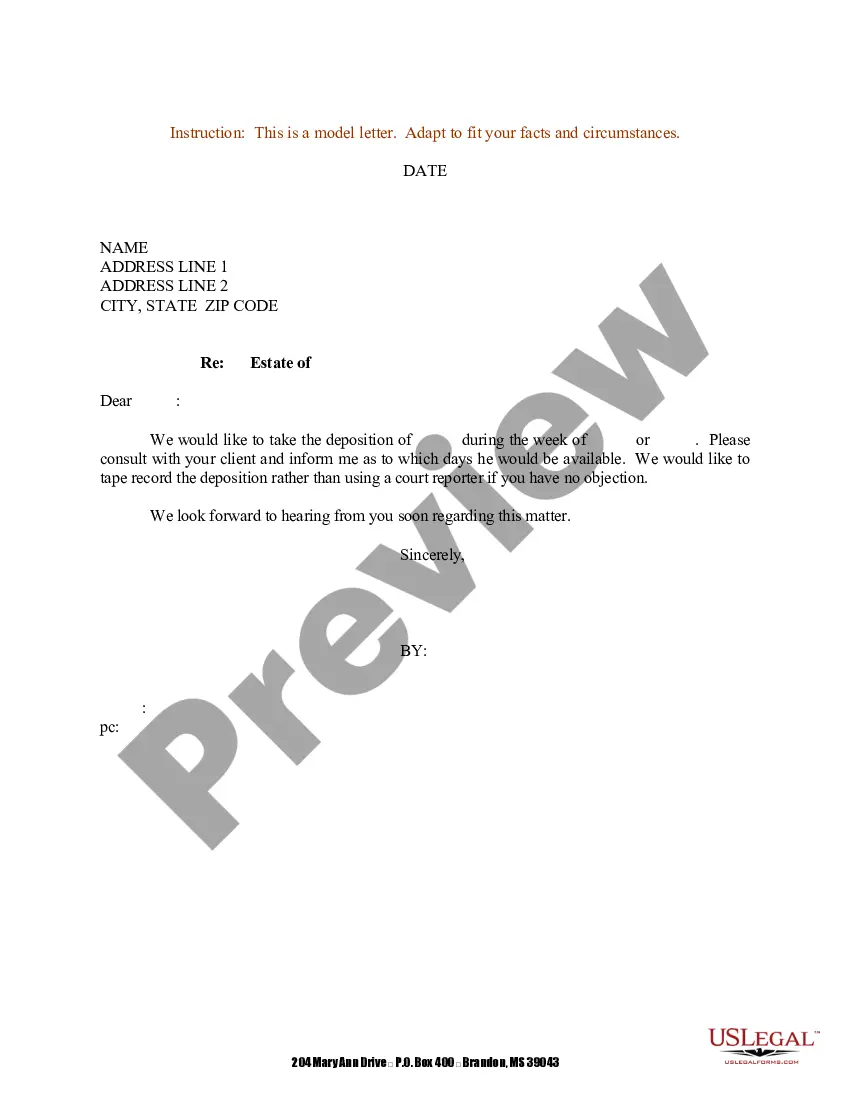
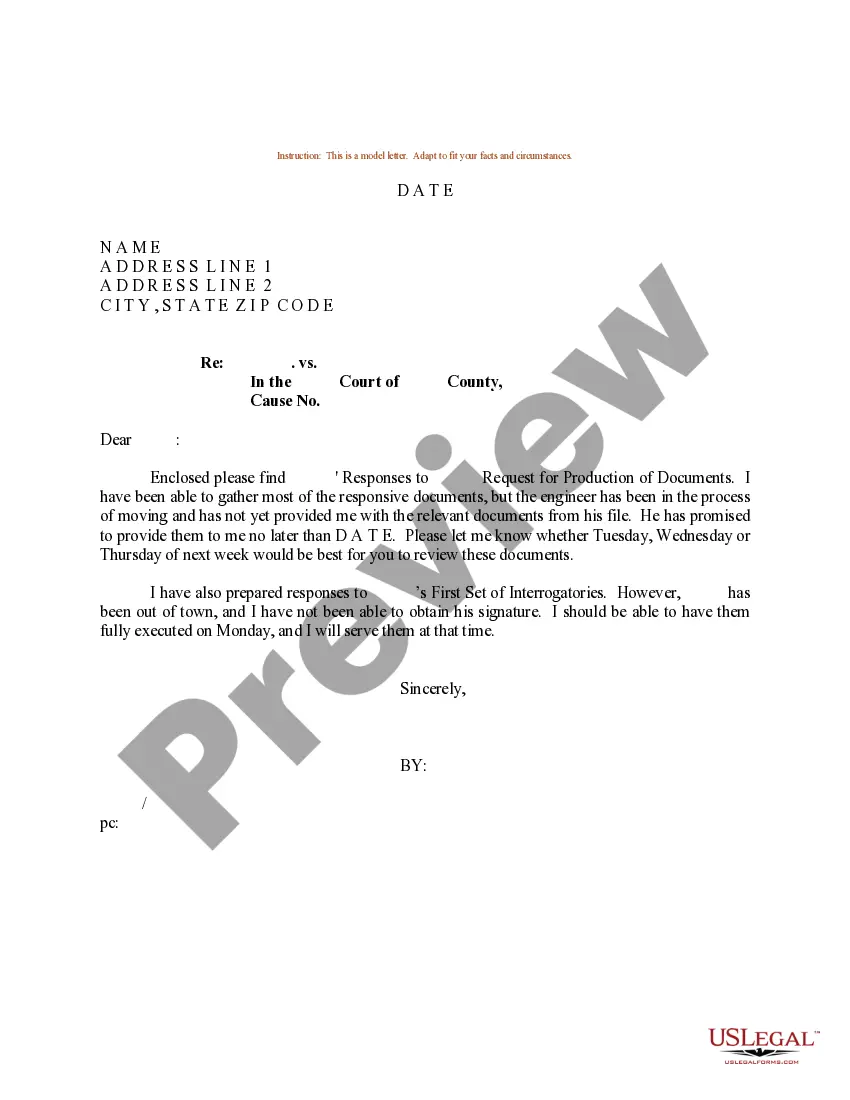
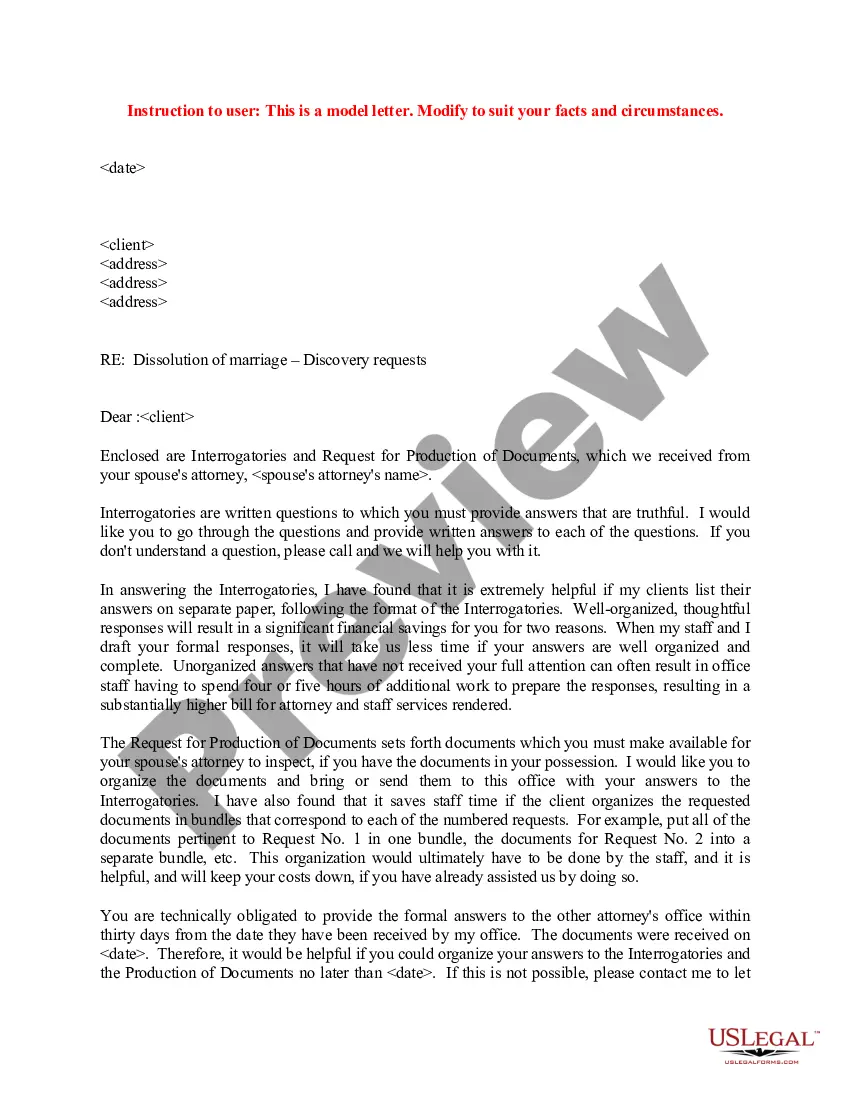
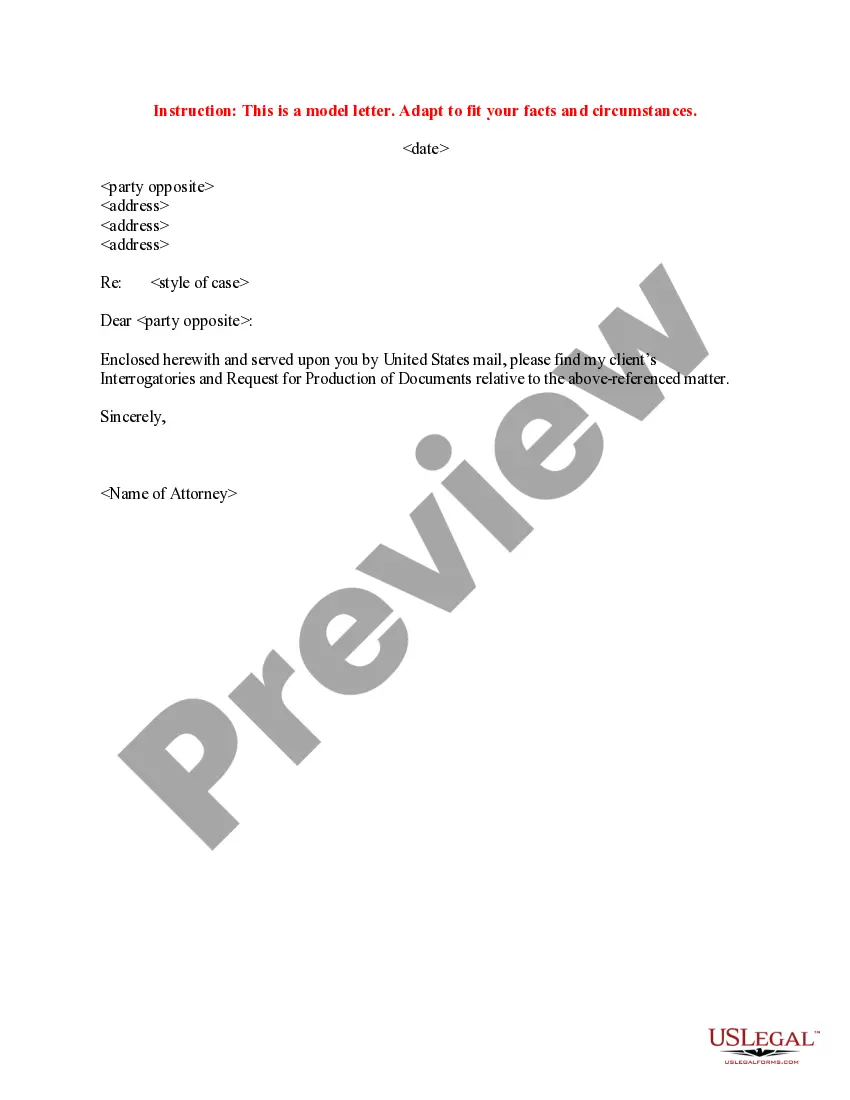
Get your form ready online
Our built-in tools help you complete, sign, share, and store your documents in one place.
Make edits, fill in missing information, and update formatting in US Legal Forms—just like you would in MS Word.
Download a copy, print it, send it by email, or mail it via USPS—whatever works best for your next step.
Sign and collect signatures with our SignNow integration. Send to multiple recipients, set reminders, and more. Go Premium to unlock E-Sign.
If this form requires notarization, complete it online through a secure video call—no need to meet a notary in person or wait for an appointment.
We protect your documents and personal data by following strict security and privacy standards.

Make edits, fill in missing information, and update formatting in US Legal Forms—just like you would in MS Word.

Download a copy, print it, send it by email, or mail it via USPS—whatever works best for your next step.

Sign and collect signatures with our SignNow integration. Send to multiple recipients, set reminders, and more. Go Premium to unlock E-Sign.

If this form requires notarization, complete it online through a secure video call—no need to meet a notary in person or wait for an appointment.

We protect your documents and personal data by following strict security and privacy standards.
Looking for another form?

Form popularity
FAQ
I'm writing this letter to acknowledge my late rent for this month and explain my current financial situation. Last month, I was fired from my job at the local grocery store without notice. Since then, without my regular source of income, I have been struggling to make ends meet.
The statewide rent control law, known as the Tenant Protection Act of 2019 (AB 1482), plays a crucial role in California. This law caps annual rent increases at 5% plus the local rate of inflation or 10%, whichever is lower.
When writing a rent increase letter, be sure to include: Tenant's name. Property address. Landlord's name and contact info. Date the letter was written. Date the rent increase will take effect. Rent increase amount. Current rental amount. Date the new rent will be due.
The notice should have your name, the unit you are occupying and the date in which you will be completely moved out. It should also include a forwarding address to where your security deposit can be mailed. If you have a month-to-month rental agreement, a 30-day notice should be provided to the landlord.
To write a letter to negotiate a rental rate increase, start by being polite and respectful. Explain your situation and why you believe the proposed increase is unreasonable based on market trends. Provide comparable rental rates in the area and highlight your positive qualities as a tenant.
When you write the hardship letter, don't include anything that would hurt your situation. Here are some examples of things you shouldn't say in the letter: Don't say that your situation is your lender's fault or that their employees are jerks. Don't state that things will likely turn around for you.
When to write an appeal letter? ... Scan your denial letter carefully. Think of what reason you want to address and how. Address the appeal letter. First paragraph: Ask for reconsideration. Second paragraph: State your case. Third paragraph: Offer possible concessions. Conclusion: Don't forget to sign.
I'm writing this letter to acknowledge my late rent for this month and explain my current financial situation. Last month, I was fired from my job at the local grocery store without notice. Since then, without my regular source of income, I have been struggling to make ends meet.
Call 211 or search for state and local emergency rental assistance programs. Your state or local agency may refer you to a community or nonprofit organization that can help if you do not qualify for a government program.

